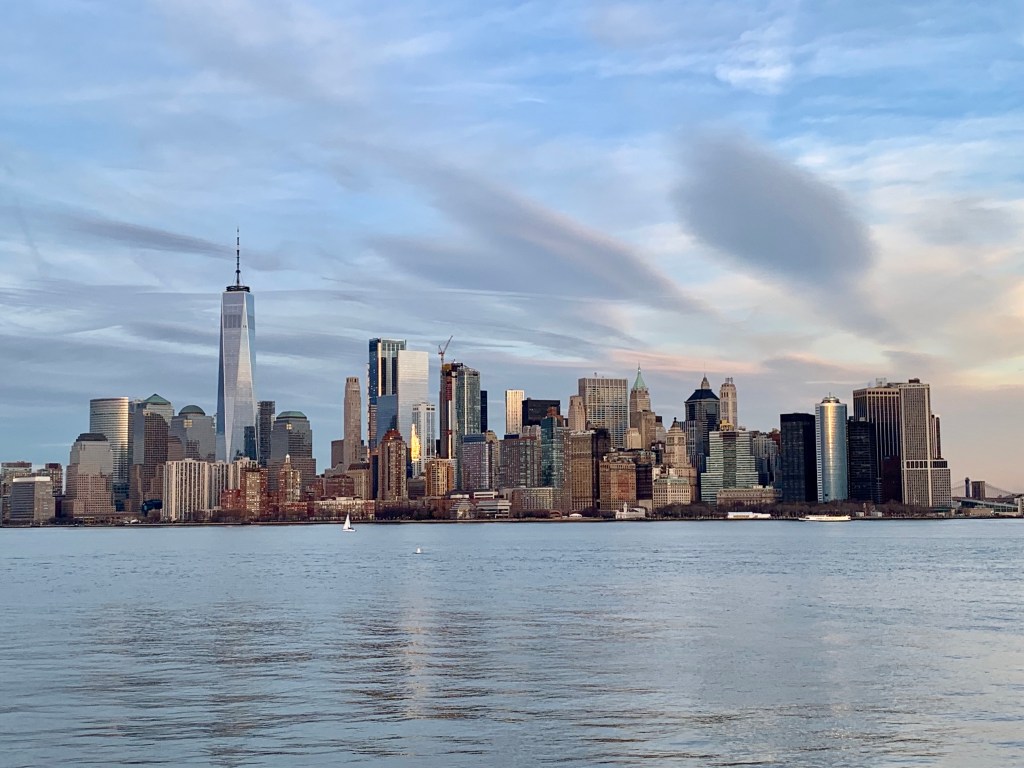
SPEND QUALITY TIME NOT ALL YOUR DOLLARS – YOUR NYC VISITOR GUIDE

Photo by Ann Massey

There’s is no getting away from it, a trip to NYC can be costly, but it doesn’t have to cost the Earth and some things are actually free! Here are my top tips for making the most of your time in the Big Apple without breaking the bank.

When To Travel

Unless you are absolutely desperate to get caught up in all the Thanksgiving and Christmas madness, or wish to feel like a cow on a cattle ranch in the height of Summer, choose your time to travel CAREFULLY!

We tend to visit in January. This is when you get the best flight prices, hotel rates, restaurant week prices and reduced rates at attractions. Particularly in early January, there are many Christmas lights still up and you get to enjoy the wintery, festive weather without the crowds and hefty price tag.

While the idea of warm sun may be appealing, New York will be hot, humid, sticky and with higher pollution levels in the summer months, not to mention packed. Sunshine in Central Park may sound romantic, but not when you can’t see the grass for people.

We found that in January, people are nicer too! After the stress of Christmas and large crowds, the attractions and even the Central Park carriage drivers have more time for you, prices are lower and you get a far more pleasurable experience. We even get sunshine with our crisp weather to make it more special!

Who To Fly With And What Seats to Buy
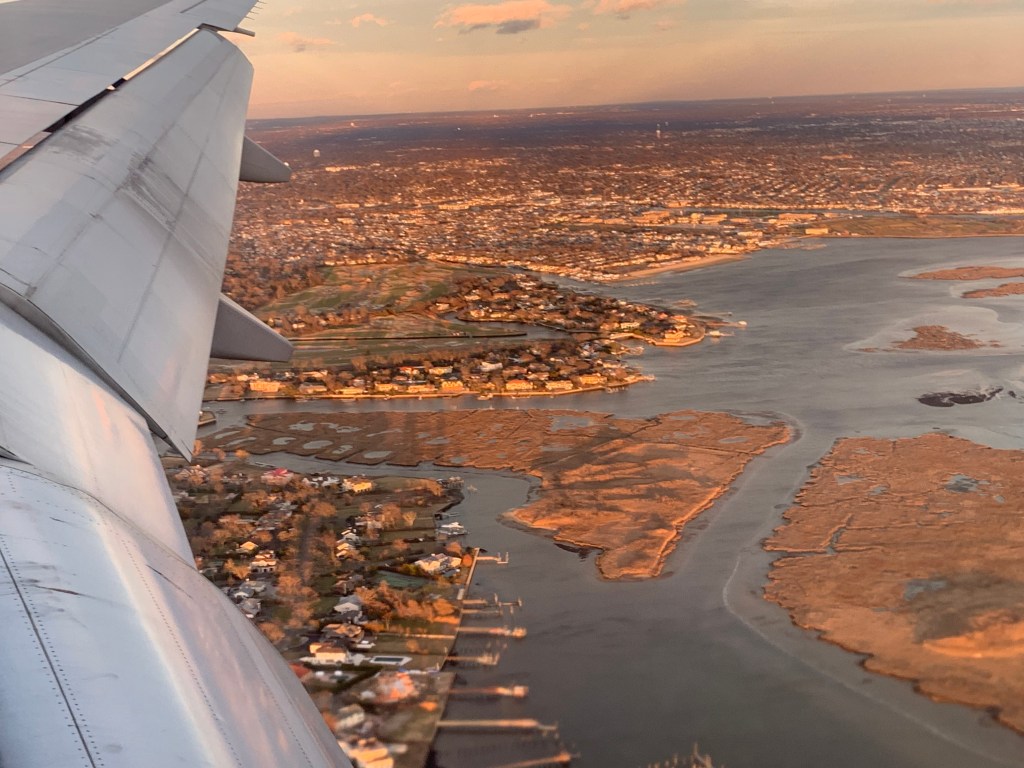
Photo by Ann Massey

Dominic is a big, burly chap so for a flight of seven and a half hours or so needs to be comfortable. The question is, if you pay for an upgraded seat, what are you paying for exactly?

One time we decided to go with British Airways, which meant a short flight from Dublin to London Heathrow before boarding the 777 with premium economy seats. Now the seats were lovely, food and extras were fabulous and we were treated like VIPS, even though it wasn’t Business or First Class.
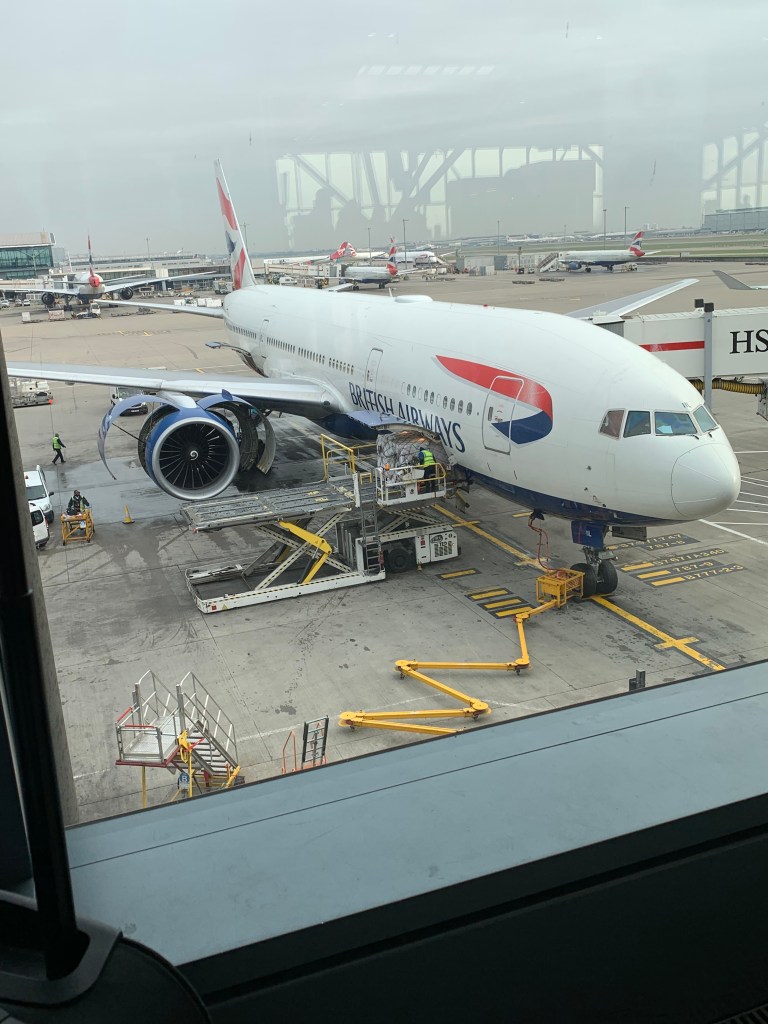
Photo by Ann Massey

The downside of this however is that we didn’t get to do the USA Pre-clearance which can only be done at Shannon or Dublin and of course, it added hours to our travel time. For the return leg on the Dreamliner, the journey was not of the same level of comfort and service was rushed, so essentially we had paid for nothing.

With Delta, their first level upgrade isn’t really an upgrade worth talking about. Marginally increased legroom and nothing else special.

Unless you can afford to fly Business Class or First Class, don’t waste your money on lower level upgrades, it really isn’t worth it. Instead, just opt for the economy/coach seating with extra legroom if you need it.

When looking at airlines, they are all much of a muchness and this time we will be flying Aer Lingus. Go for value flights that suit the times you want to travel. Remember the majority of flights coming back from NYC are red-eyes. Food tends to get served really quickly to be out of the way, lights are dimmed and folks try to sleep so forking out for anything else is a waste. Perhaps treat yourself outbound but definitely don’t bother on the return.

Airports

Cocktail at 51st and Green Lounge, Dublin Airport- photo by Ann Massey

Wherever possible, opt for an airport that has US pre-clearance, so in Europe that is Dublin and Shannon airports. The process is much less stressful and when you land in NYC you are straight out of the domestic terminal, no long lines after a long flight!

The airports are one of the times I will tell you to spend money. Book your car parking in advance for a smooth arrival. Make use of Fast Track security – again, something like this takes so much stress out of your journey. It’s uncomfortable enough having to unload everything into a box, take off items of clothing and go through scanners, without having to queue for ages doing it!

Pay for use of an airport lounge. In Shannon Airport it is the Ború Lounge and at Dublin Airport it is the 51st and Green Lounge exclusively for US pre-clearance. So civilised and quiet, with comfortable seats, good food and drinks and you can sip on a pre-flight cocktail while watching the planes. There are also good facilities for refreshing and even changing into flight clothes if you wish.
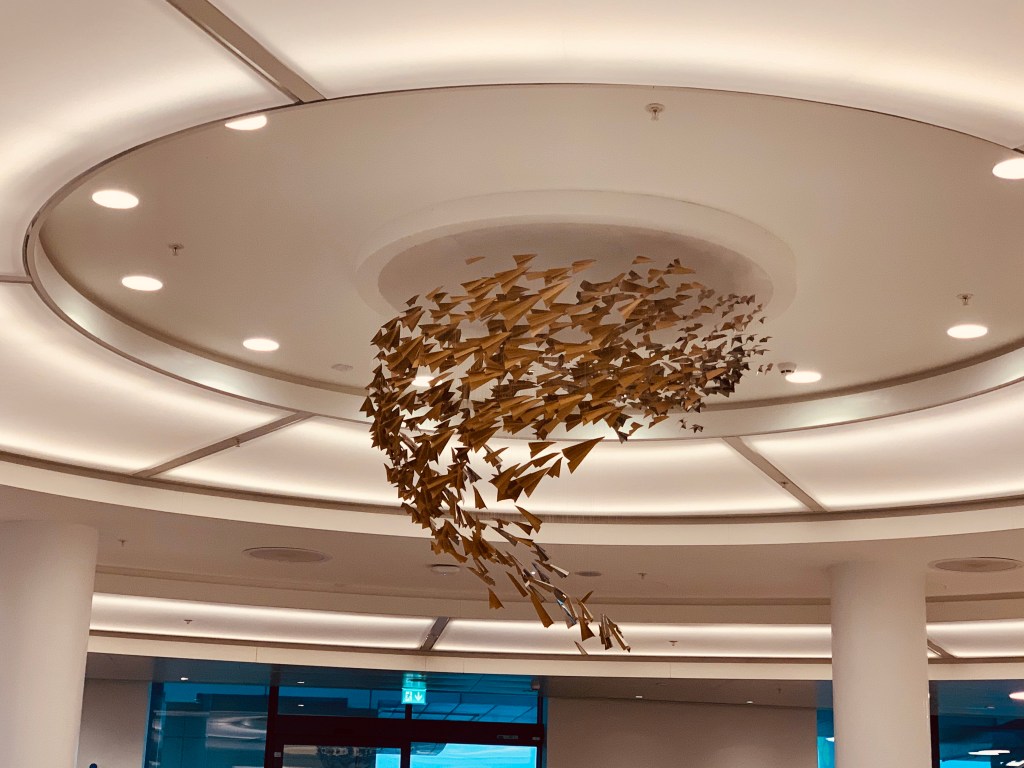
51st and Green Lounge, Dublin Airport – photo by Ann Massey

On your return, if you are buying duty free, your items will be taken from you and placed in a sealed bag, to be handed to you at the aircraft. Ensure the seal is intact as that is a requirement for bringing it back into your home airport.

Hotels
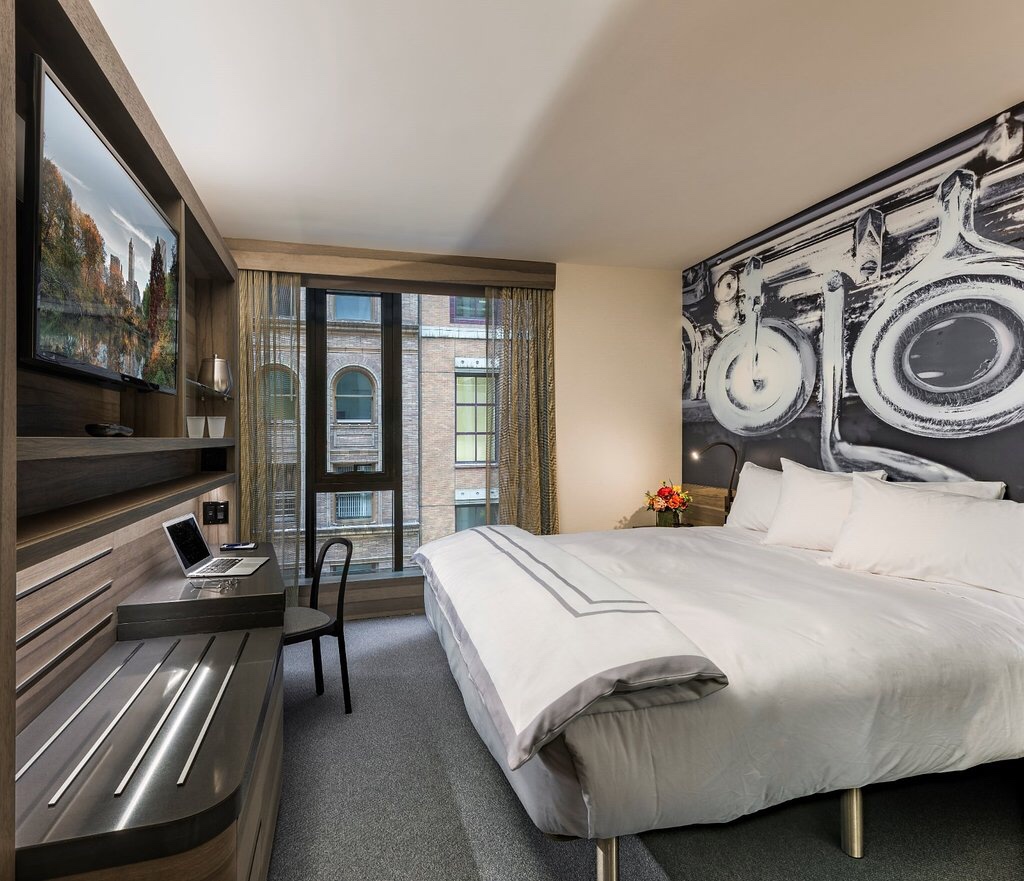
The Carnegie Hotel

When selecting your hotel, make sure that all the taxes are included in the price so you don’t have a nasty shock on checkout. To be fair, whether booking direct or through someone like Booking.com there is clarity on your final price. Many hotels do not include breakfast in your price so if you can find a good deal, go for one that does.

Here the cheapest isn’t your best option. Location is key, both for safety and accessibility. Go for somewhere that has a radial walking distance of around 15 minutes to main attractions and locations you want to visit. Midtown is usually best for value hotels that cover this and do read reviews before you book. We have been staying at The Carnegie Hotel, which was a perfect location opposite Carnegie Hall and had a free and very nice buffet breakfast as well as a free cheese and wine hour in the early evening, however this time around their prices have rocketed so we will be looking elsewhere.

While views and large fancy rooms are nice, they are a waste of money! You aren’t travelling across the Atlantic Ocean to stay in a hotel room. To make the most of your time in the city you are going to be spending very little time in bed. A place to lay your head with heating/air-con and a decent shower are all you need!

In your hotel you would tip a porter, waiter or bartender, but that is pretty much it on the cost front.

Transport
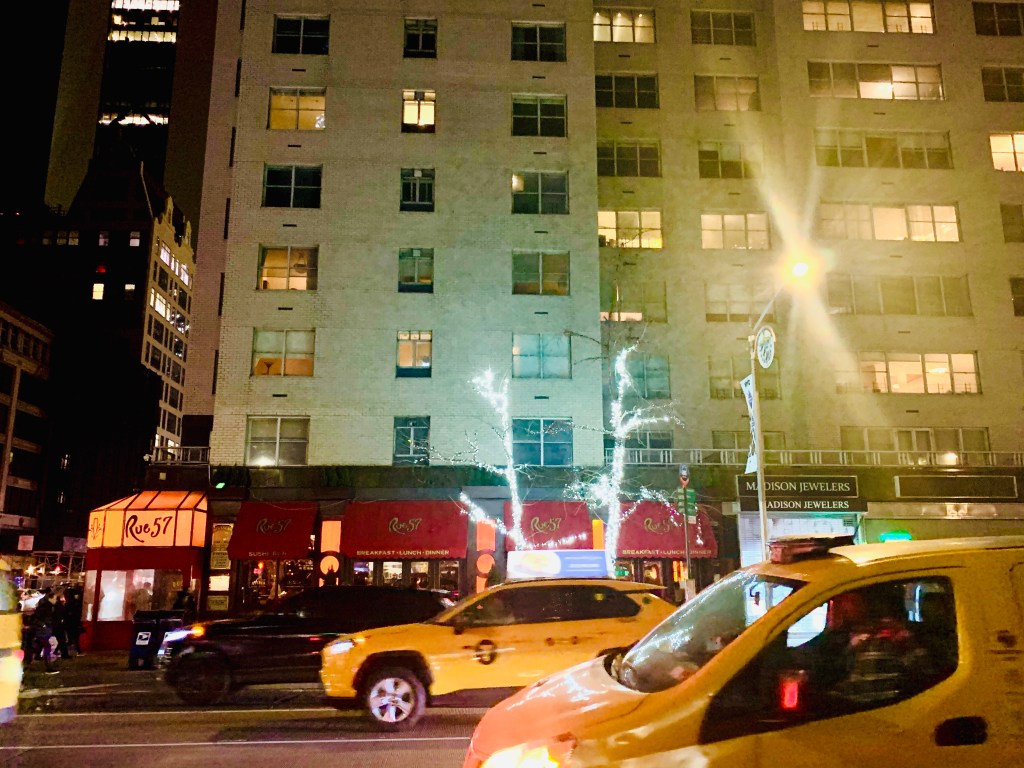
Photo by Ann Massey

The great thing about airport taxis into the city, are that they are set pricing from JFK. It’s a set journey rate plus toll, tax and peak hour surcharge but you do need to account for a tip. All told you will be looking at around $70 for this journey including a decent tip. Remember tipping is everything in NYC and we will cover that as we go.

So you’ve had your yellow taxi ride and this is the one definite time to use it. After this, because of traffic levels, don’t waste your time or money unless you are out for the night and it is a question of feeling safer going back to your hotel. Yellow taxis are also very uncomfortable, another good reason to avoid them where you can. I am only 5′ 3″ and my knees were jammed against the divider. We never touched an Uber. For your return journey, get your hotel to book your car back to the airport – the price is similar and they will be using a reputable service.
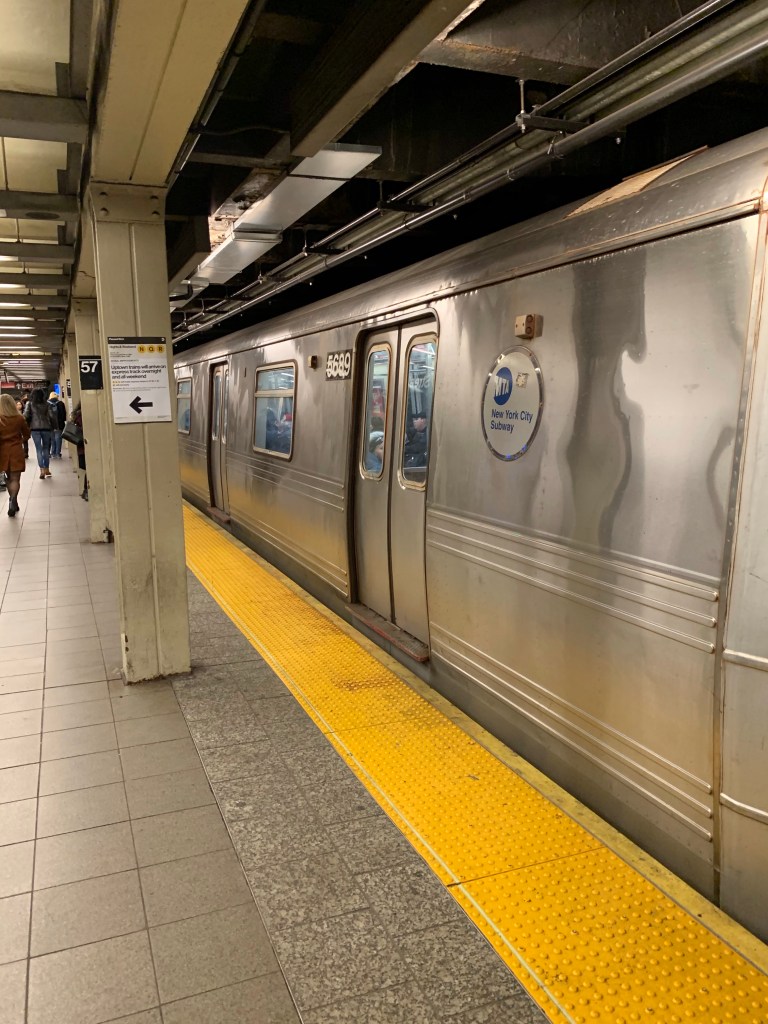
Photo by Ann Massey

Our first primary method of getting around NYC is the Subway. We bought a 7 day pass and it takes you everywhere all the time without further outlay. Download one of the NYC navigation maps and your routes, subway times and distances to subway stations are all laid out for you.

The subway is a different world, remember it is how New Yorkers get around on a daily basis. The stations are great bits of history, with good art pieces and of course, buskers. My advice is don’t be putting your hand in your bag to take out change for buskers, beggars or anything else while travelling the subway. If it is loose in your pocket fair enough, just don’t draw attention to yourself. That said, I was serenaded on the downtown train by a group of retired gentleman singing Motown and Dominic had a couple of dollars in his pocket which we were more than happy to give!
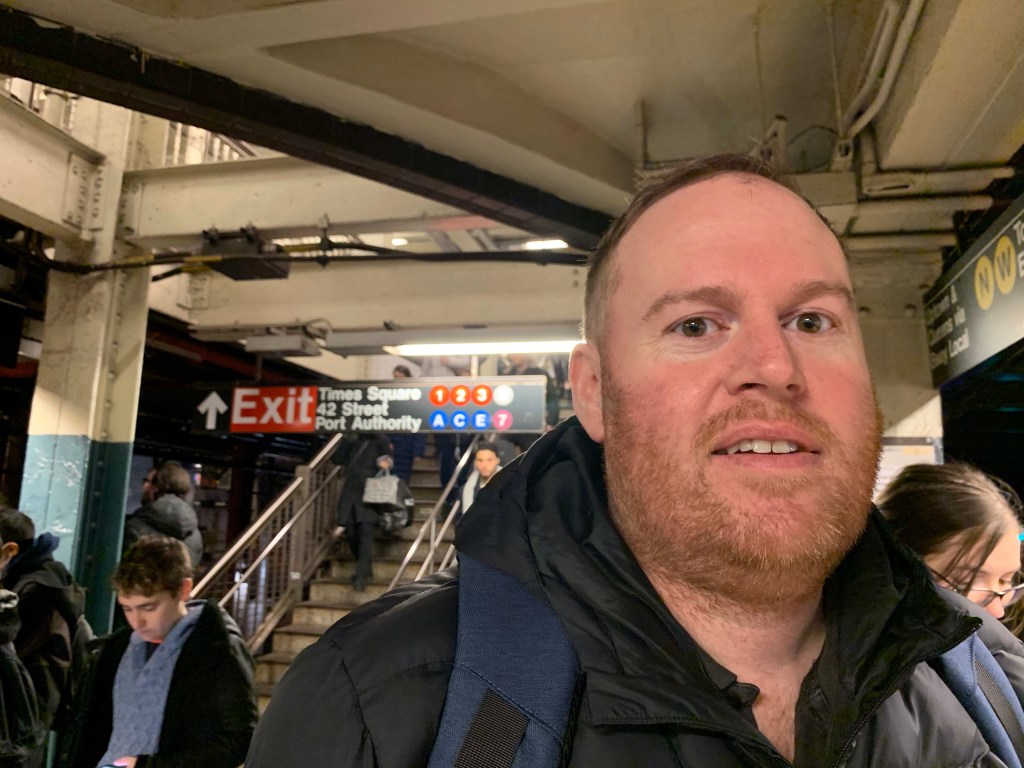
Dominic on the Subway platform – Photo by Ann Massey

You will also see strange things, but that is par for the course in any major city, just be alert and act like you belong and you will be fine. It really isn’t any different than riding the Underground in London or the LUAS in Dublin.

Our other primary transport was a simple one – OUR FEET! With the right hotel selection and studying a map before you go, you can really make the most of this option and your time. It is also the best way to find hidden gems to explore and places to eat that you would otherwise miss. Even in the rain it is manageable and we just bought an umbrella from one of the stores we passed for a few dollars and binned it when we left.
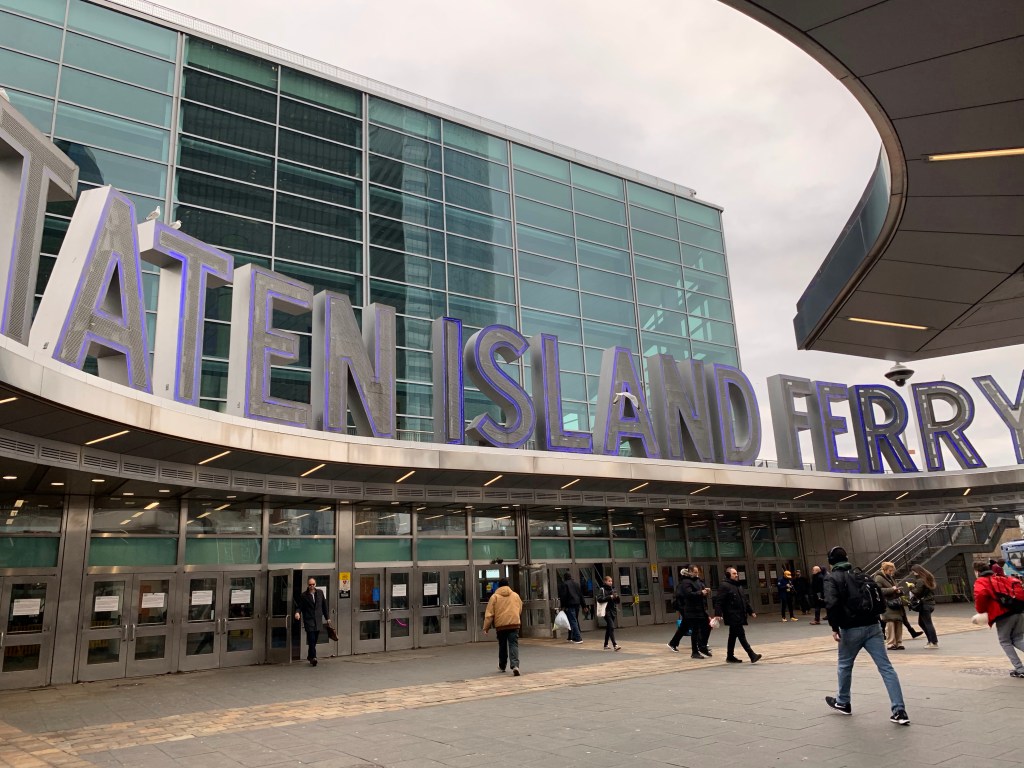
Staten Island Ferry Terminal – photo by Ann Massey

A great free resource that visitors tend to forget is the Staten Island Ferry! Running 24/7, the distinct orange vessel is a great experience in itself and you get amazing views of downtown Manhattan and of course, the Statue of Liberty. Staten Island itself is not shy of a few nice places to eat or explore if the mood takes you, however we just had a small wander and got the next ferry back.
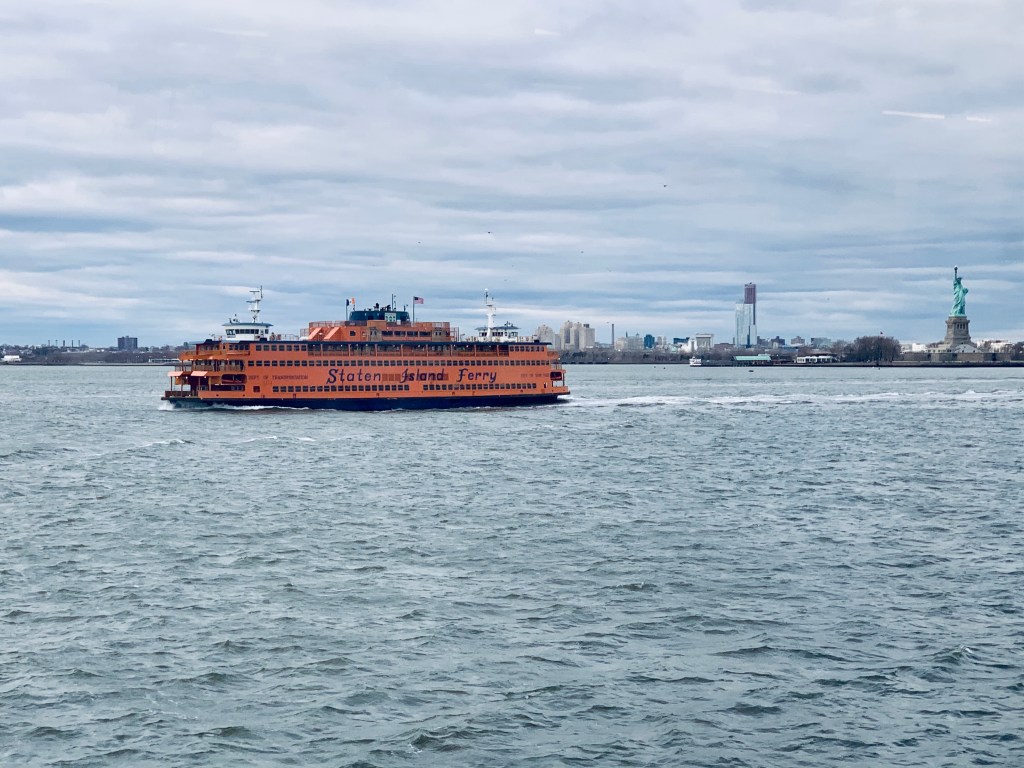
Photo from Ferry to Ferry! By Ann Massey

Dining Out

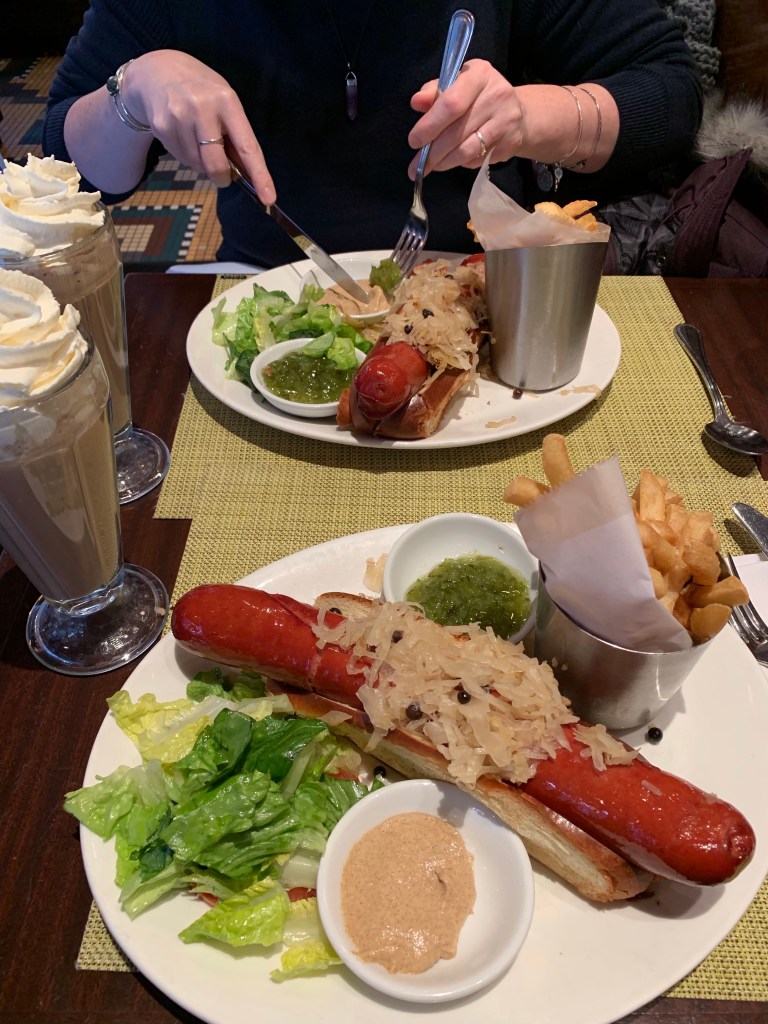
Hotdogs at Brooklyn Diner – photo by Ann Massey

This can be pretty pricey with taxes and tips if you haven’t done your homework or taken advice from someone. So let’s break down the options for you.

Breakfast/Brunch
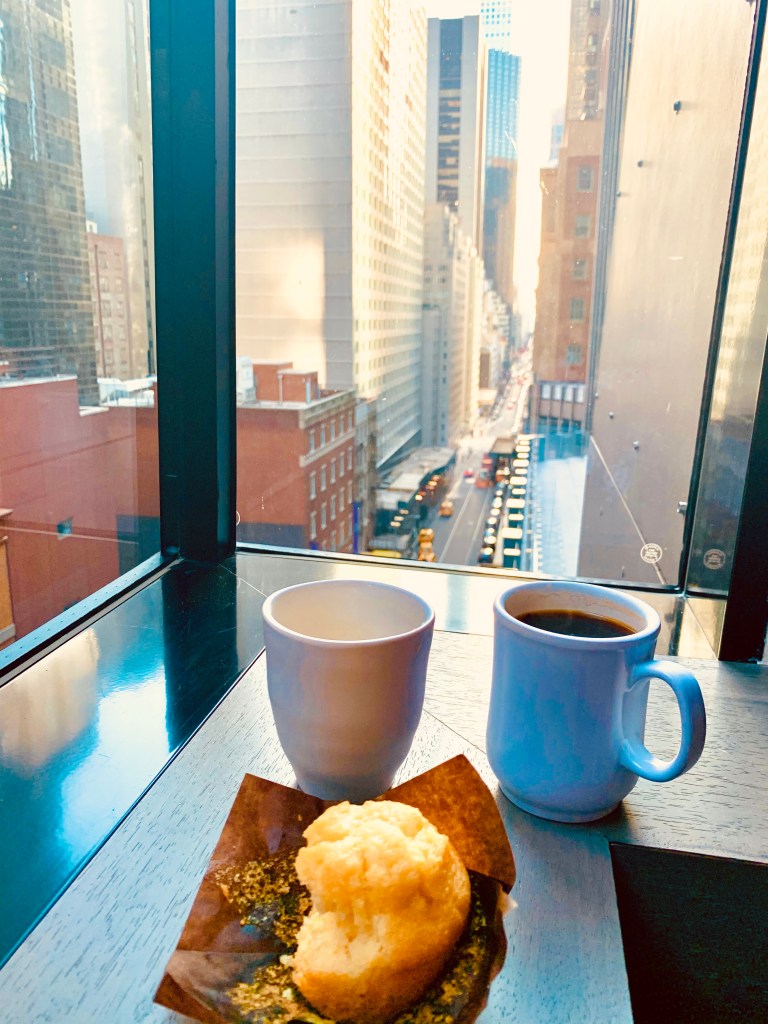
Breakfast with a view at The Carnegie Hotel – photo by Ann Massey

If you have breakfast included in your hotel price, load up! There are also many dining options with good value breakfast and brunches around NYC but go for one closest to your hotel. The hungrier you get walking, the worse your decisions and the damage to your pocket.

Lunch
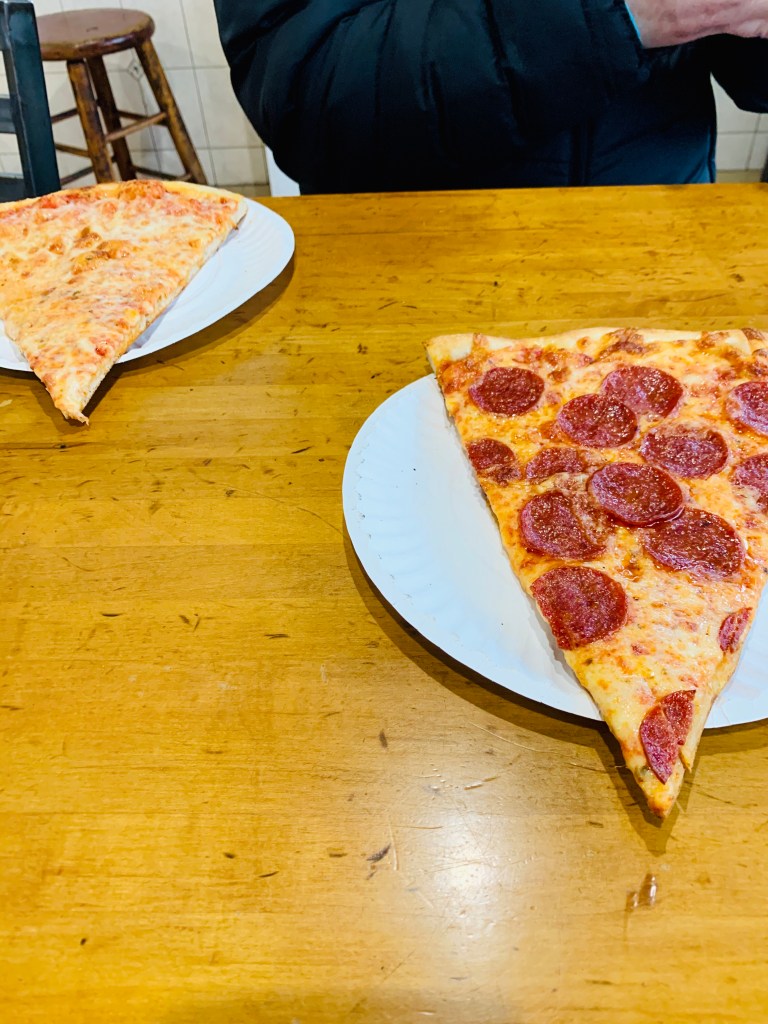
East Village Pizza – photo by Ann Massey

Again, there are good value lunch options, or you could grab from a food truck, but just make sure you are using a vendor/establishment that is displaying the A rating. Keep away from the rest! On busy days, we would return to the hotel for a brief rest and change of clothes and order take out to be delivered to the hotel. It meant we were comfortable, got the choice we wanted and paid far less than we would sitting in somewhere. In NYC lunch is fuel to keep you going!

Dinner
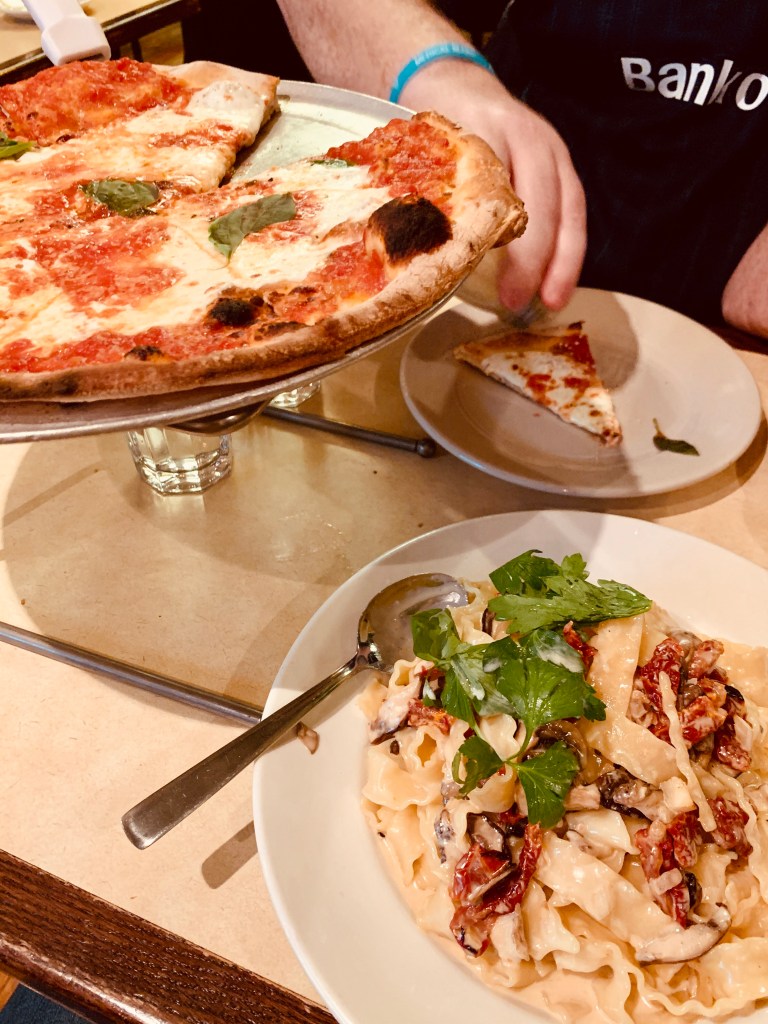
Angelo’s – photo by Ann Massey

This is where things can get pricy and I will elaborate on some of the more famous places next, but generally I would suggest choosing a couple of nice restaurants for dinner and booking in advance and go mid-range for the rest. There are some great places like the Brooklyn Diner that do breakfast, lunch and dinner, with a good choice, good vibe and serve alcohol if you want a glass of wine with your food. If it is used by locals its a good thing! We also used small Italian restaurants near to the hotel which were authentic and very well priced with a great ambience.

Big Name Establishments For Dining – Are They Worth It?
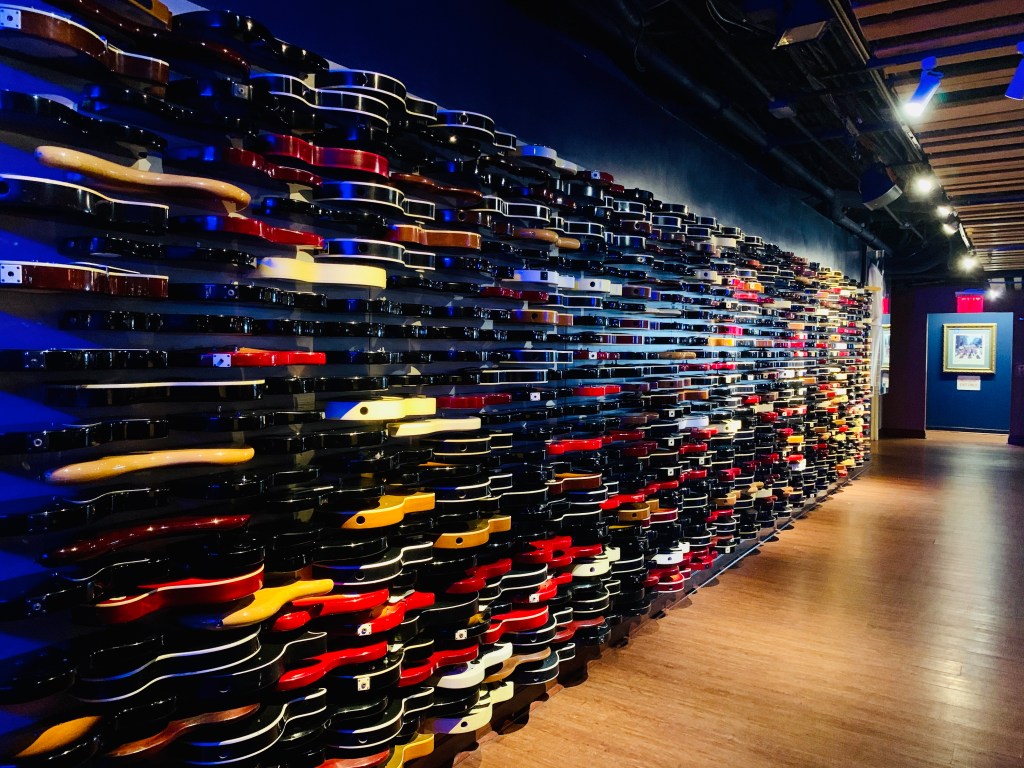
Hard Rock Cafe – photo by Ann Massey

The more well known, the higher the price, pure and simple. We dined at Planet Hollywood and the Hard Rock Cafe and both are completely overrated. We are music and film nuts so we did appreciate the memorabilia but the quality of food and service versus the price was not worth it be honest.

Avoid dining in key landmark attractions as you are a captive audience and they price accordingly for average and sometimes below average food. Places like the Tavern on the Green in Central Park are also ok to give a miss as you are paying for the name and not necessarily getting the right return on your buck.
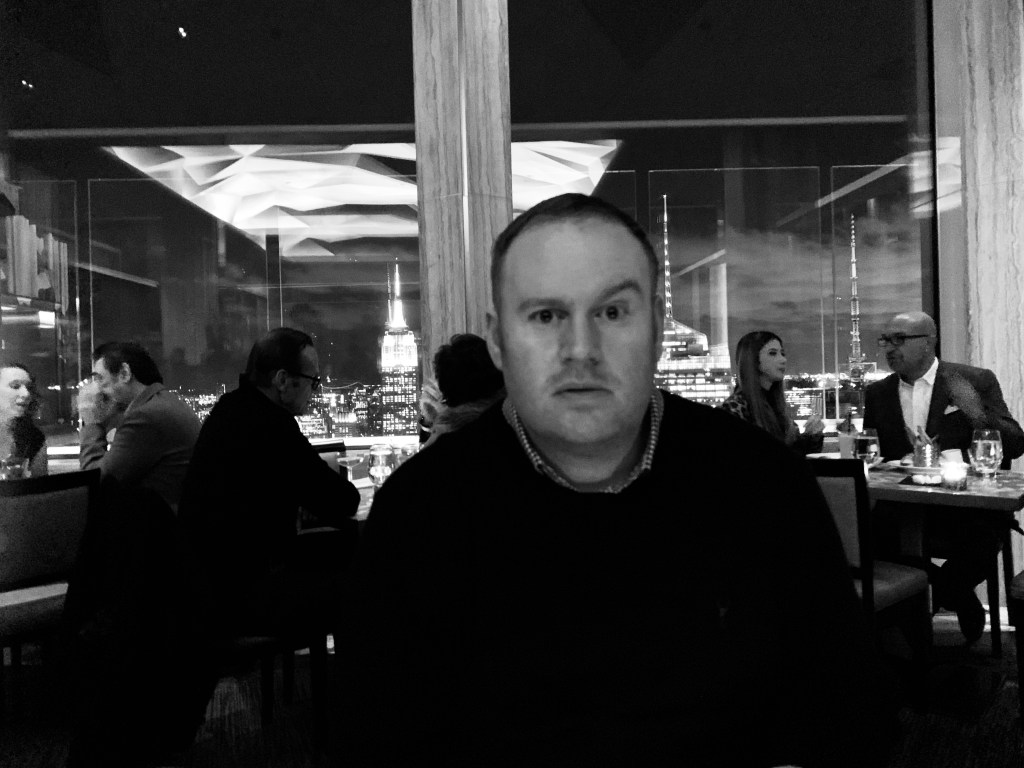
Dominic at The Rainbow Room, Rockefeller Center – photo by Ann Massey

We did choose to have a small bite and a cocktail on our first night in the Rainbow Room Bar SixtyFive at the Rockefeller Center. The price was reasonable for the location and a burger and chips, it was elegant and full of a well to do crowd with a great view of the Empire State Building. As there are so many options for Manhattan skyline viewing now, I would avoid the Top of the Rock Observation Deck and pop into the Rainbow Room instead for a treat.

Enjoy The Plaza without the hefty price tag! You can wander around The Plaza hotel and they welcome visitors, just not in the private residents area (some of the hotel is now private apartments). So go in, take your photos, look at the Palm Court and Champagne Bar, but do your dining in the lower level food hall. Here you can have everything from lobster and champagne to burgers, Sushi and Italian food, all without breaking the bank. It is a really great location for lunch.
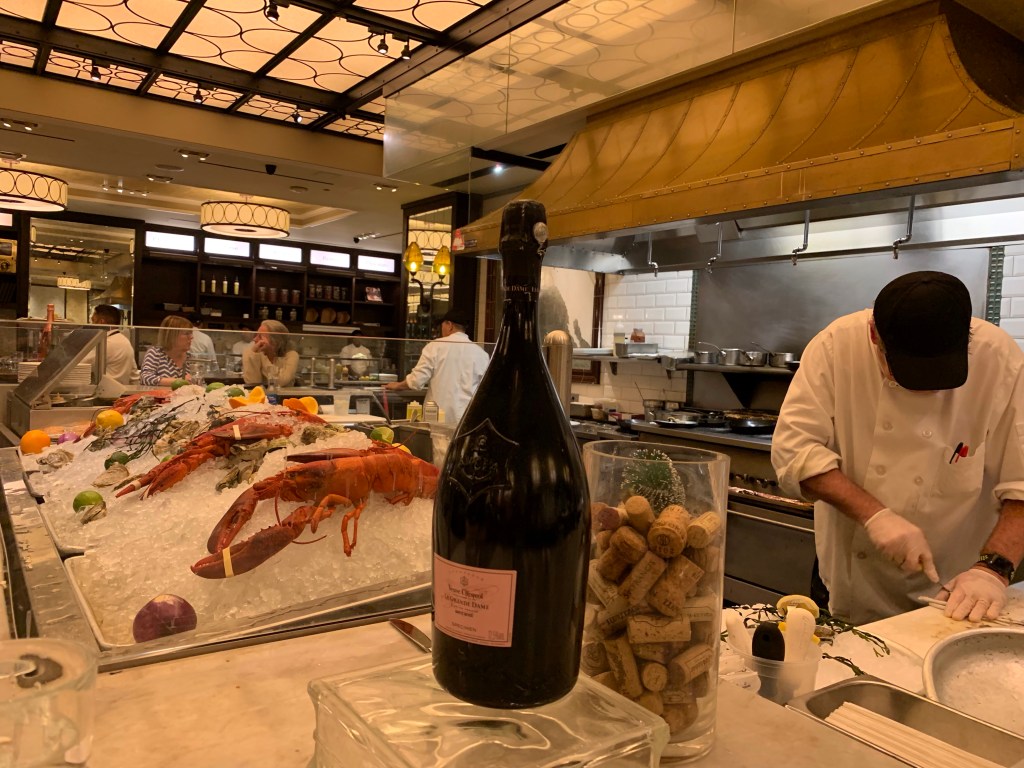
Food Hall at The Plaza – photo by Ann Massey

Make use of well used smaller establishments, particularly for lunch such as East Village Pizza or some of the lower priced chain restaurants and take outs.

I will be covering all our dining locations in a separate article, but for now remember when it comes to breakfast and lunch, you are fuelling up for your explorations! Save your money for dinner.

Free Locations to Visit
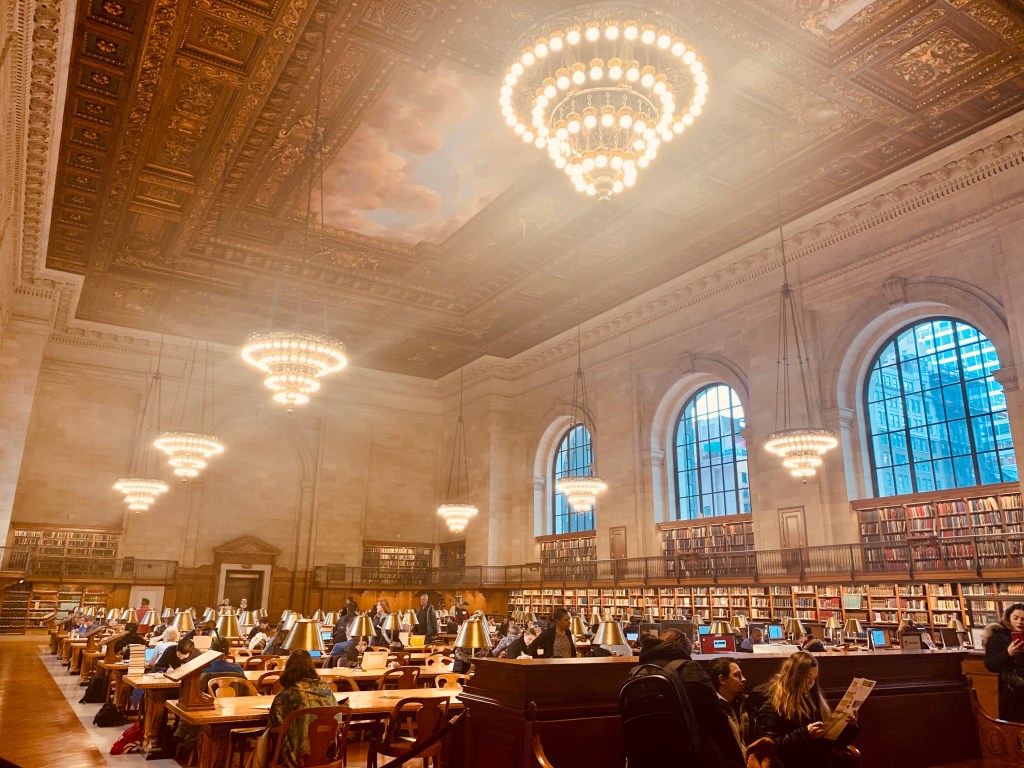
The Rose Room, New York Public Library – photo by Ann Massey

As we have covered, the Staten Island Ferry is free, as is walking around Staten Island! Of a similar persuasion, Brooklyn Bridge and walking across to explore Brooklyn, Central Park, Washington Square Park, Grand Central Station, all free! Along with Central Park of course, you have a chance to see the famous Dakota Building, Strawberry Fields and the John Lennon memorial, as well as your movie locations without putting your hand in your pocket.
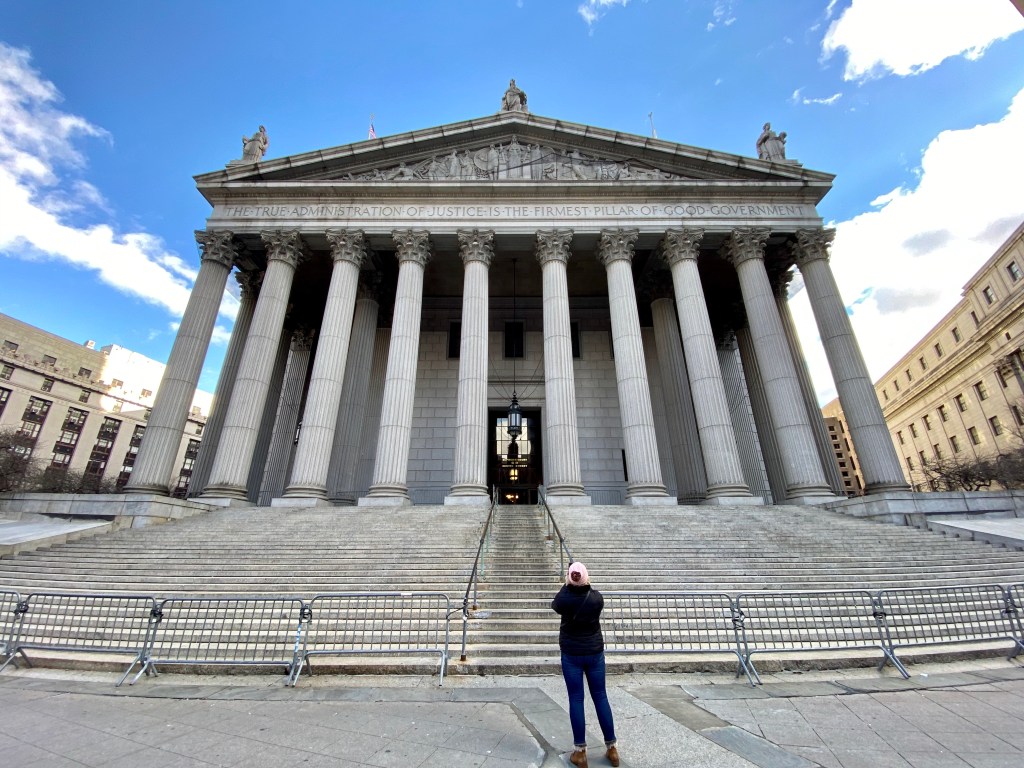
Me Photographing the Supreme Court – photo by Dominic McElroy

Grand Central Station does do guided tours that are inexpensive and well worth it if you love history and haunted locations! Battery Park is another free place to visit with amazing monuments and sculptures, views out to Ellis Island and the Statue of Liberty. Beside it is the Irish Hunger Memorial which is also free to enter and explore.

Visit Bryant Park and beside it, the New York Public Library, with great artefacts, books and architecture, and of course the majority of Manhattan museums are free to enter, including the Met, the Guggenheim and American Museum of Natural History.

Of course you then have all your stores, Bloomingdales, Macy’s, Tiffanys, The Apple Store, all free to walk around. Times Square is of course free to access and has a very different vibe in the day and at night so make sure to explore both.
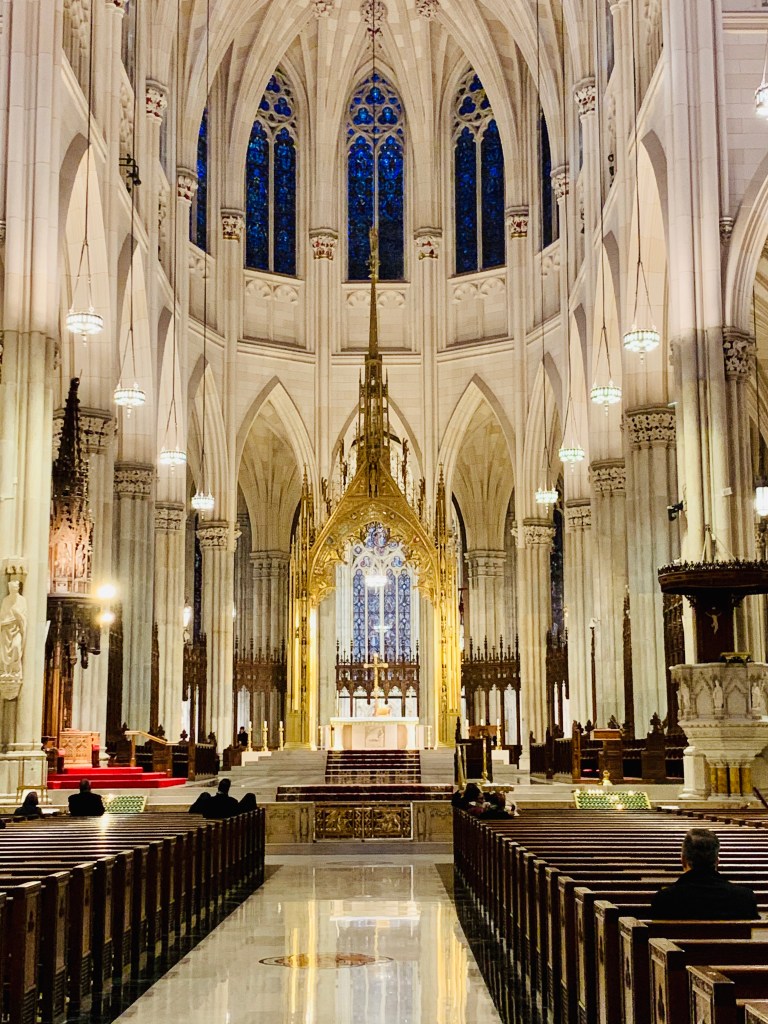
Saint Patrick’s Cathedral – photo by Ann Massey

As you are on 5th Avenue anyway, explore the Gothic wonder of Saint Patrick’s Cathedral, costing you only a bit of time and a prayer if you want and maybe small change to light a candle. Travel to Union Square, take your photos of the Flatiron and then go to City Hall, before climbing the Law Court steps and re-enacting your favourite TV and film scenes, all free of charge!

Getting The Best From Your Attractions and Landmarks
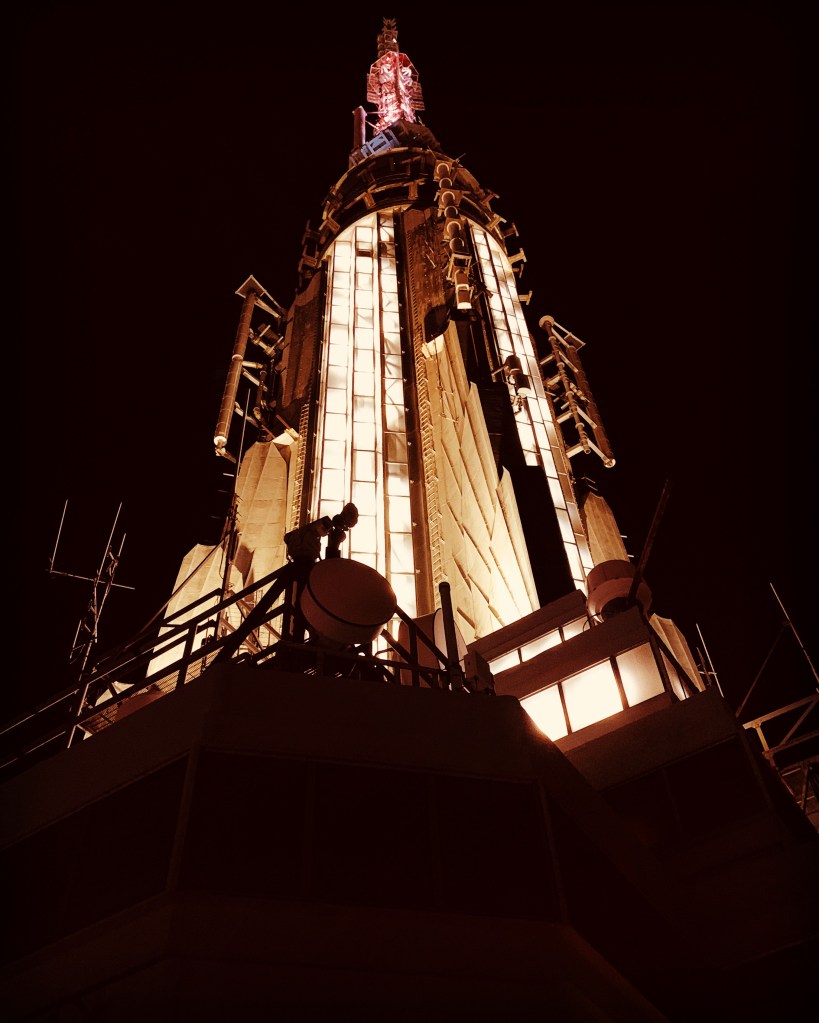
Top of the Empire State Building from the Observation Deck – photo by Ann Massey

There are several options for combo tickets that on the face of it will save you money, however they are often basic entry with add ons, restrict visiting times and some of the things on the list you may not want to do so you don’t really end up saving much at all and make sure you avoid the tour buses.

When you are planning your day, check the forecast and locations of where you want to visit to work around the weather, maximise your time, reduce travel and minimise your expenditure. For example, City Hall, the Law Courts, Wall Street, Brooklyn Bridge, 9/11 Museum, Freedom Tower, Battery Park and the Irish Hunger Memorial are all in that 15 minute radius I talked about.
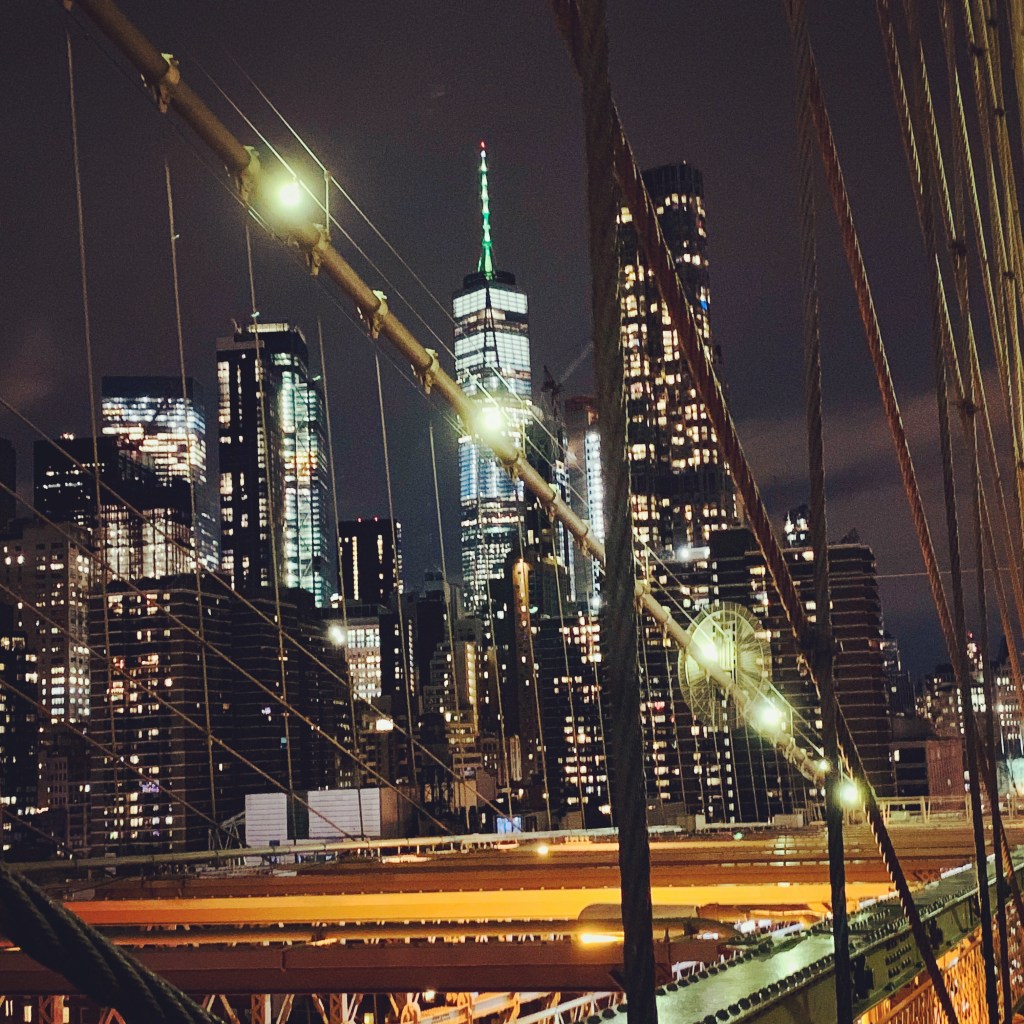
Night View from Brooklyn Bridge – photo by Ann Massey

A day for us then, was to explore the Financial District and Courts, the Irish Hunger Memorial, take the Staten Island Ferry, visit the 9/11 Museum and then see Brooklyn Bridge at night. We then returned to explore Battery Park, take the ferry out to Ellis Island and visit Freedom Tower for sunset.

We saw that it was going to be torrential rain on one day, so we booked the Behind the Scenes Tour at Madison Square Garden. We had thought of going to see Billy Joel, but he was completely sold out and to be honest, concert and theatre tickets don’t come cheap and take hours out of your trip.
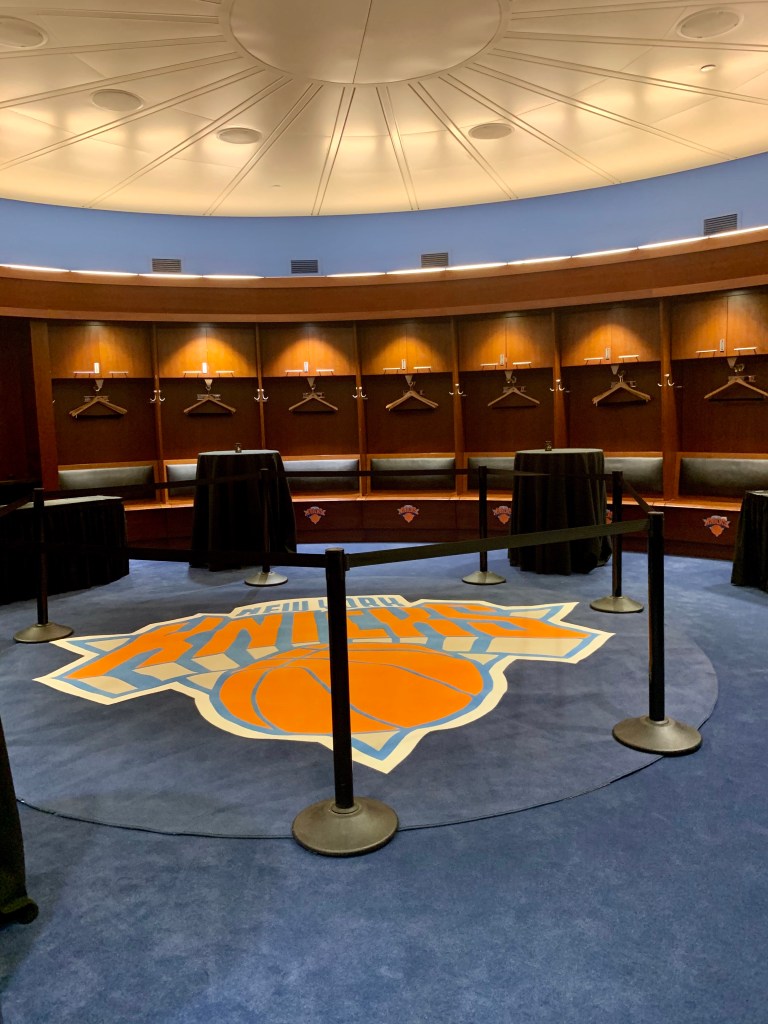
Knicks Locker Room, Madison Square Garden – photo by Ann Massey

The Behind the Scenes tour is brilliant, covering history and the venue top to bottom, including VIP areas, the floor and even the Knicks and Rangers dressing rooms. It is very inexpensive for a two hour tour and you stay dry. Nearest station is Penn so you get to visit that too!

Before paying to visit the Statue of Liberty and Ellis Island, ask yourself why you are going there. If you really want to climb to the top of the Statue of Liberty then go for it! Otherwise you are stepping onto Liberty Island for the sake of it. Your photos come from the ferry, either the Staten Island Ferry or the boat to Ellis Island that stops at Liberty Island on the way.
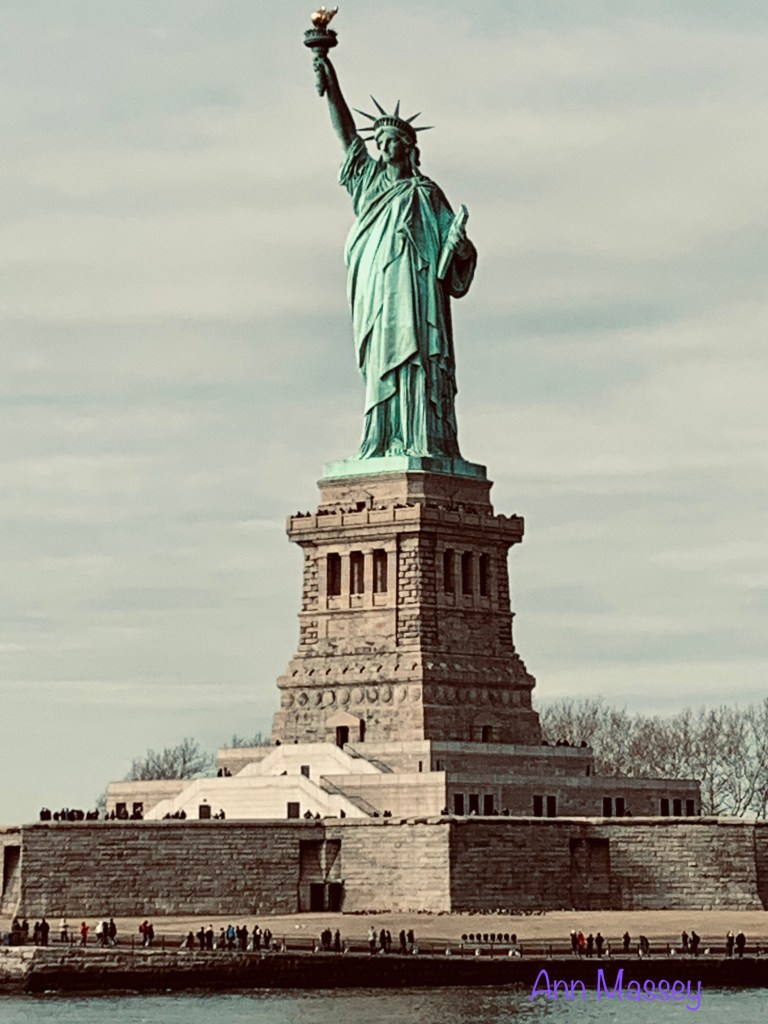
Statue of Liberty from Ferry to Ellis Island – photo by Ann Massey

If you are going out to Ellis Island, this is one where I suggest you go the whole hog and pay for the Hardhat Tour. You do the normal things, but then get a guided tour of the entire island, the old abandoned hospital buildings and get the full story of the island. You also get to stand on the shore and look out to the most amazing views of Manhattan.

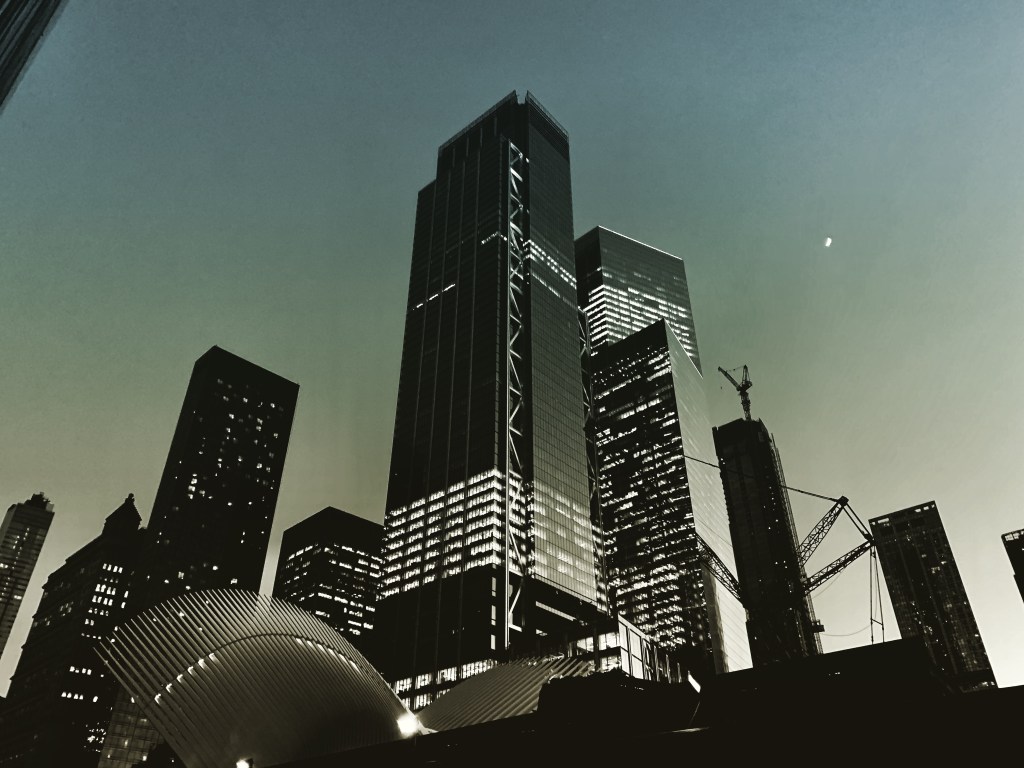
If you are looking for the best all round view of NYC from a height, you won’t get better than One World Observatory at Freedom Tower, but try and go for sunset so you get the best of everything. The gift shop here is very pricey though so think before you buy!
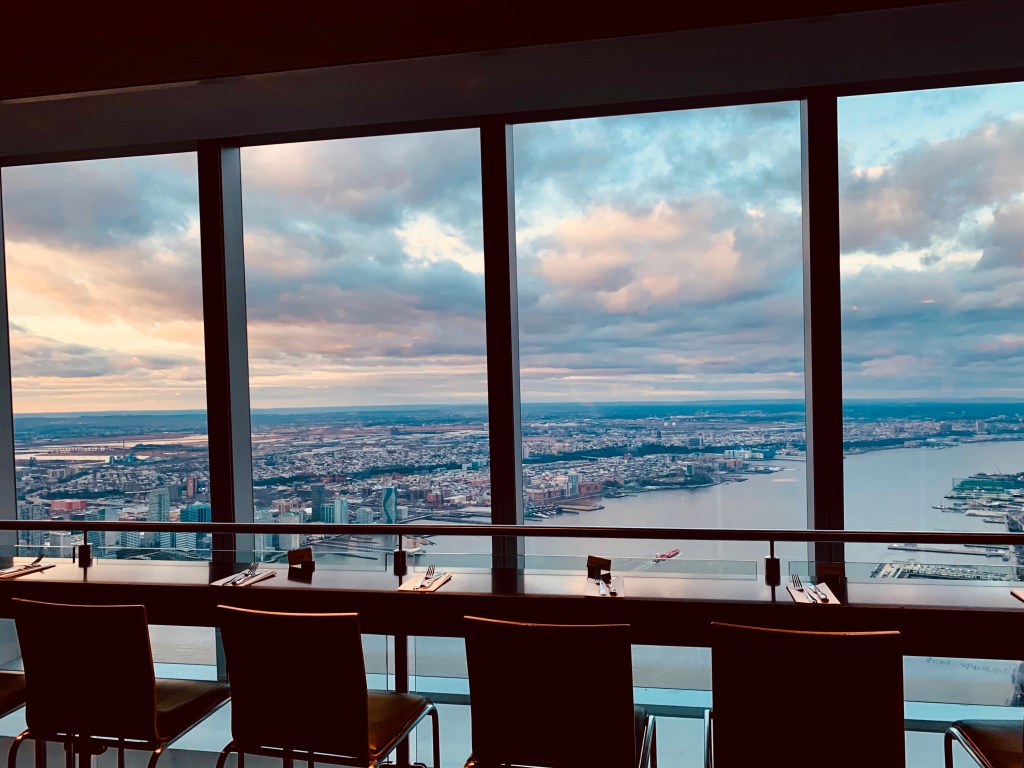
Part of the Bar View at Freedom Tower – photo by Ann Massey

The Empire State Building is another must, but pick your time carefully. We actually visited at midnight in January – yes places stay open that late! By taking this option it was the cheapest entry, we had the elevator to ourselves, no queues and at the top there were only three others. Let’s be honest, its the city lights we love so a midnight Manhattan skyline was perfect!

When it comes to the Central Park carriages, go for the quirkier looking drivers. Ours had an Abraham Lincoln style hat and steam punk sunglasses and was an absolute joy, knowing his history, movies and taking great photos of us. But check the price and if you’re nice you can get a bit extra with a good tip – ours actually dropped us off at The Plaza which they aren’t supposed to do!

Shopping
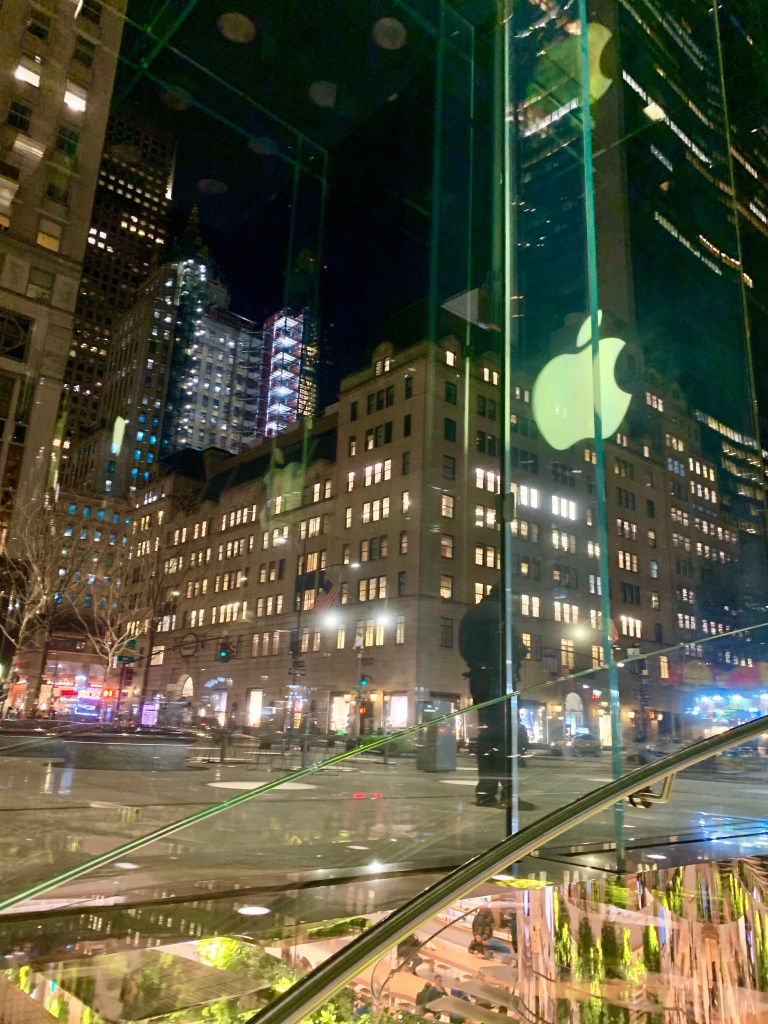
Inside the Apple Store – photo by Ann Massey

The good old days of shopping bargains in NYC aren’t what they used to be, so if you are shopping, be mindful and only buy what you can’t get at home. Also remember that purchases brought in from New York are subject to Customs and Excise and will need to be declared on arrival and duty paid. If you try and sneak through and get called for a random baggage check, the fine is seriously going to outweigh any bargain you got in Saks!

Generic keepsakes, fridge magnets, mugs, NYPD and and NYFD style mementos are better purchased in convenience stores or even at the airport. I got some lovely t shirts and sweatshirts so cheaply at JFK.
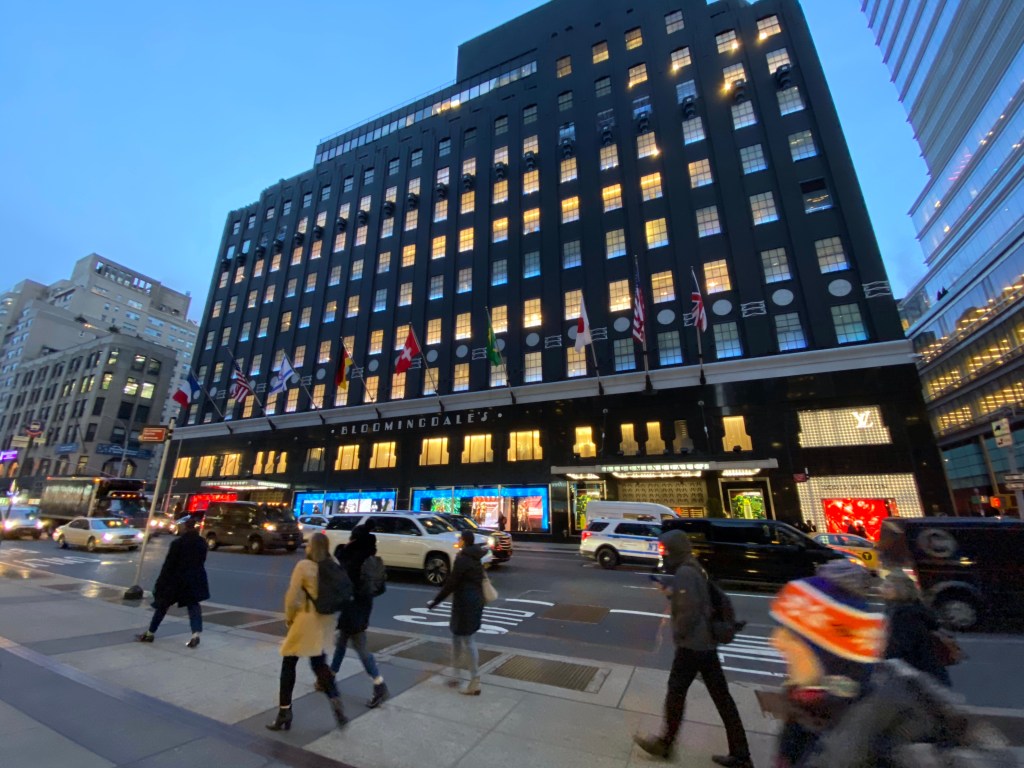
Bloomingdale’s – photo by Ann Massey

The tourist stores tend to be poor quality and the attraction gift shops are extortionate. Only buy items in themed gift shops that are unique to the location. For example I got Christmas ornaments from Ellis Island and the Empire State Building. Lightweight, easy to pack, not expensive and great mementos.

The Disney Store, Hersheys, M&Ms and these kind of stores are fun to look around and buy a couple of small items, but remember you can get all these things online much cheaper and they take up room in your case.

So there you have it, a simple guide to getting the most out of your time and money on your trip to New York City. I shall be covering so much more on the myriad of places we have visited and experienced, but for now this is your starting point. Planning is everything when it comes to a successful and enjoyable NYC experience so start yours now!
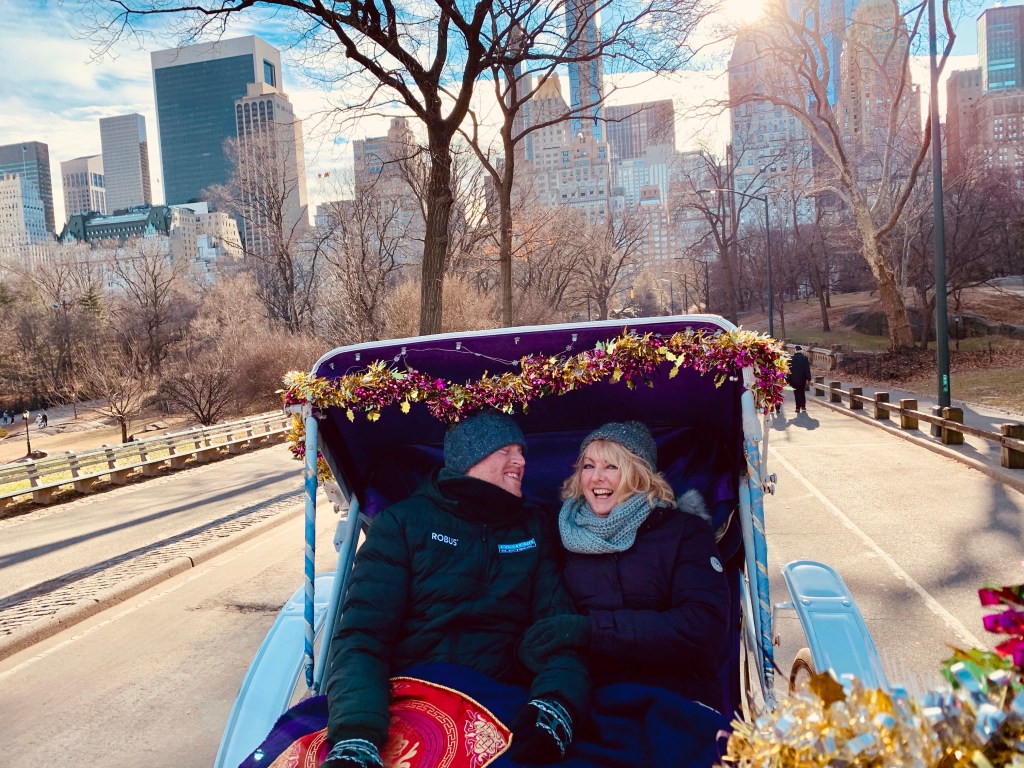
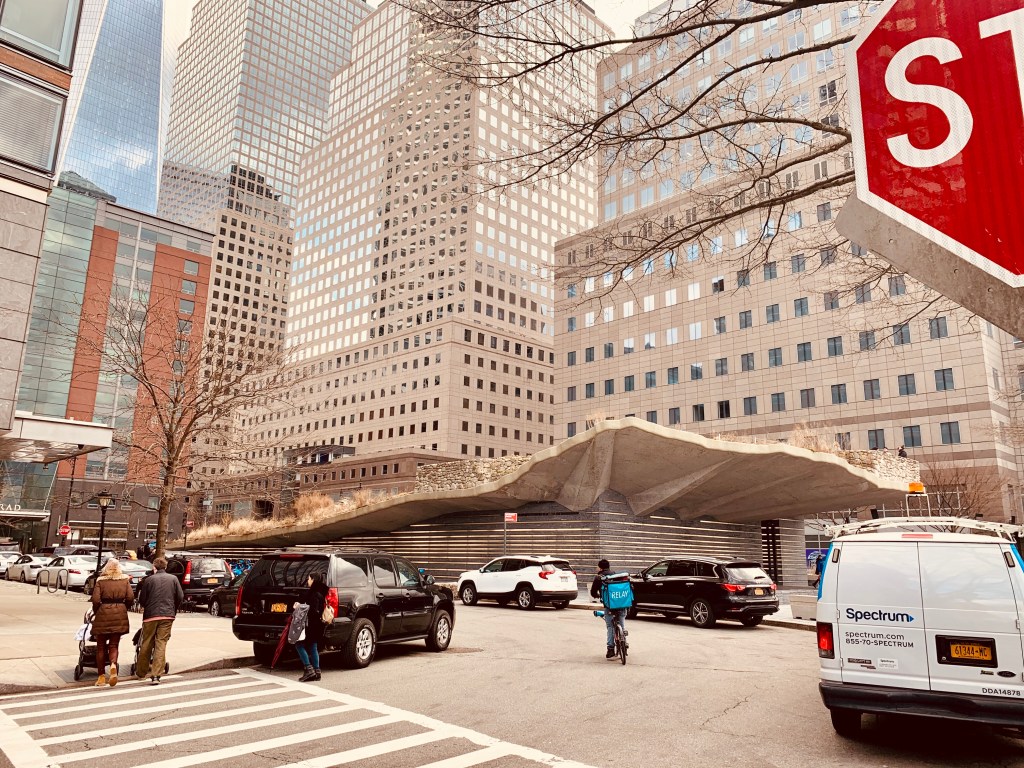
Carriage Ride in Central Park – photo by our helpful driver!

New York’s Irish Hunger Memorial – A Journey from Despair to Hope

Irish Hunger Memorial, Battery Park City

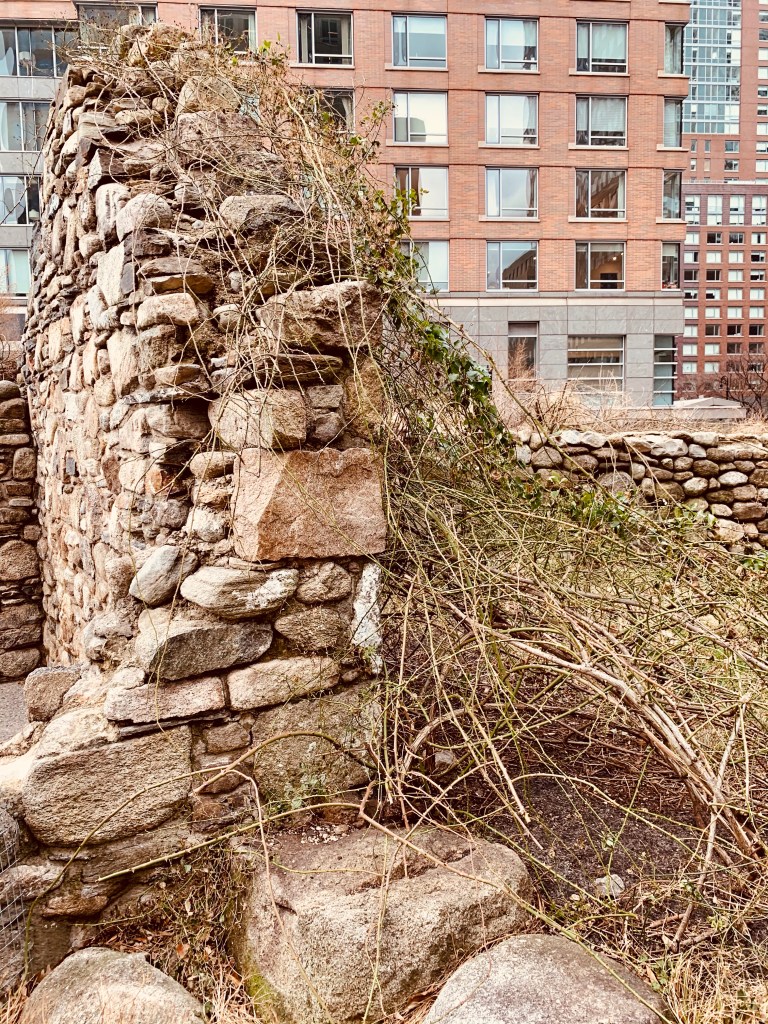
Nestled in the protective shadow of Freedom Tower, stands a half acre plot memorialising one of the most horrific eras in history. A place that is over 3000 miles away, yet so many New York Immigrants and their descendants call home – that place is Ireland.

Distance and time do not fade the mind and heart, as this poignant New York City dedication to The Great Hunger of Ireland demonstrates. A mark of respect and remembrance for 1 million Irish who died and the 2 million Irish who ultimately emigrated out of desperation.

How the Great Hunger Began

The devastation began in a suppressed Irish nation in 1845 and continued to destroy lives, lands and communities for the next seven years – families torn apart by death and of course, emigration.

The humble potato had only been in Ireland for 100 years or so, yet it had become a food staple in Ireland due to it being hardy enough to survive Irish weather, was a cheap product and went far for the hungry mouths it fed.

Potato crops became infested with an airborne fungus called phytophthora infestans, also known as potato blight. It is believed that this fungus that seemed to originate on merchant ships between North America and Britain, actually carried on the wind across the Irish Sea and began destroying the potato crops of Dublin and the surrounding counties before it became a countrywide disaster.

The legacy left by Penal Law that prevented Irish Catholics owning land or being able to vote, combined with Corn Laws that kept prices artificially high with imposed tariffs, were going to be among the catalysts for the devastation that followed.

These restrictions, combined with the continued high level of produce continuing to be exported out of Ireland by British landowners and merchants meant one thing – a food shortage of catastrophic proportion that brought a nation to its knees at the hands of one of the most despised British men in Irish history, Charles Trevelyan.

Winter after brutal winter and failed potato crops did not matter to Trevelyan. He demanded the masses be put to work in order to earn for food, food that was not there for them as he had stopped any charitable imports of corn. The man without compassion or decency persuaded the British Government to withdraw all aid to Ireland in a bid to force them to restart the economy. They all believed the crisis would be short-lived, they couldn’t have been more wrong.

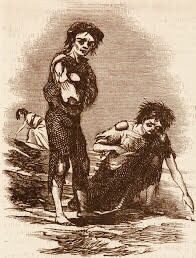
Children were left without sustenance as parents opted to feed themselves with what little they had in order to work under Trevelyan’s demands. By 1847, known as Black 47, things were worse than ever. As Trevelyan’s enterprises failed, one simple truth became evident – a nation was dying.

So much was the suffering, the malnutrition, the starvation, working with no strength for little wage and no food, death for many, was welcomed. Men, women, children, skeletal, shadows of who they once were, dying of Black Fever, Typhus and Dysentery.

Bodies were piling up at such a rate, mass pits were dug in un-consecrated ground, thrown unceremoniously on top of one another, without coffins in the shallow graves.

Once again, the situation became more dire, as the landlords who had not been paid rent for sometime, wished to reclaim their lands for grazing and crop planting. The destitute and dying were evicted from there prisons of disease, many forced to emigrate by their manipulative landlords, taken in by promises of food and care on ships to North America. Over half a million people were evicted and a further 100,000 forced to emigrate.

Coffin Ships

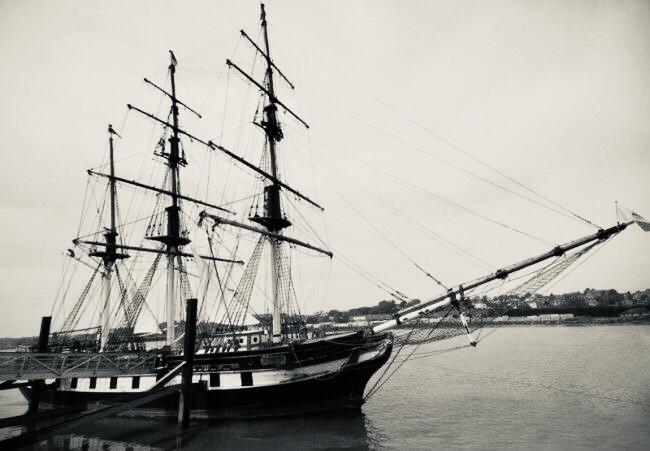
Dunbrody Famine Ship

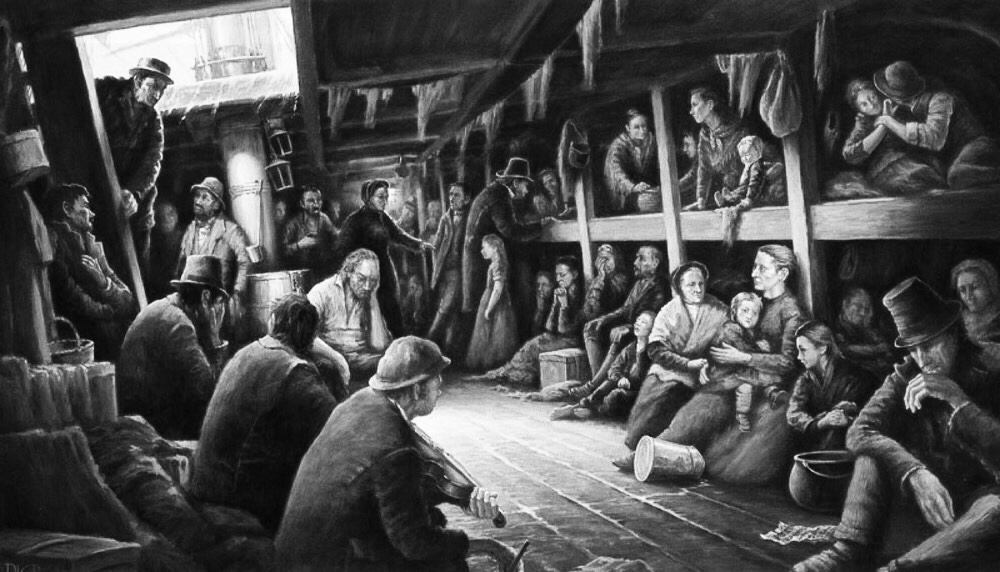
Small, barely sea worthy vessels, crammed with skeletal families, broken and ravaged by disease, still hoping for a better life. Conditions on board were horrific. The journey would take up to six weeks, with only communal buckets for sanitation. Cholera and Typhus were rife and many would die onboard, their rotting corpses a stark warning of what may come to those watching and breathing in the stench of death, until the bodies of loved ones were tossed unceremoniously overboard.

One in five would not make it, others would die in makeshift hospitals on arrival. Those who survived were covered in their own filth, destitute and usually illiterate. They were not welcomed and were received with hostility and fear from the largely Puritan communities of Canada and North America.

The Irish have four vital traits however, strength of character, survival instinct, adaptability and faith. Those who made it onto American soil made New York and further afield their new home, never to return. They began a tradition of Irish emigration that was to follow through generations, including my own family who settled in New York and Washington State.

Creation of the Irish Hunger Memorial

The bond between New York and Ireland is strong, long standing and far-reaching. The introduction of the Irish Hunger Memorial is a poignant reminder of the bond, the suffering of the Irish people and a beacon of light and hope for the strength of the human spirit.

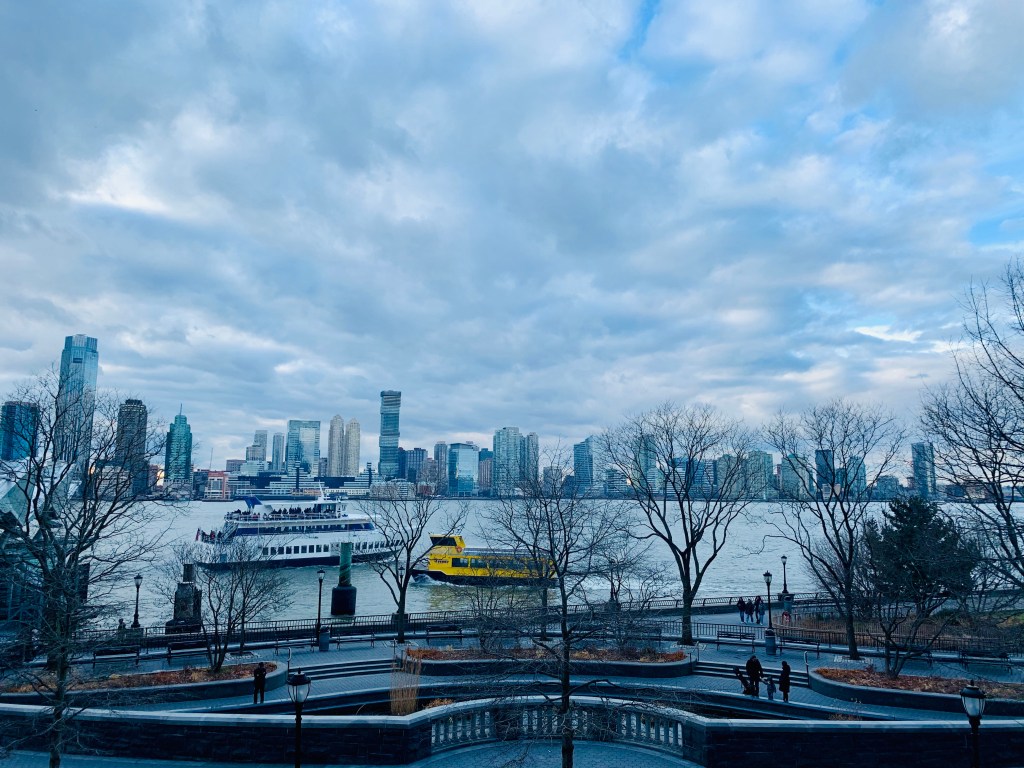
The memorial location on Vesey Street, in Battery Park City overlooks the Hudson River and out towards the Statue of Liberty and Ellis Island, where so many Irish started their new lives. This site seems to have been carefully chosen for its proximity to the gateway to the New World and serenity for reflection, looking out over the water. An historic oasis in the midst of one of the busiest cities in the world.

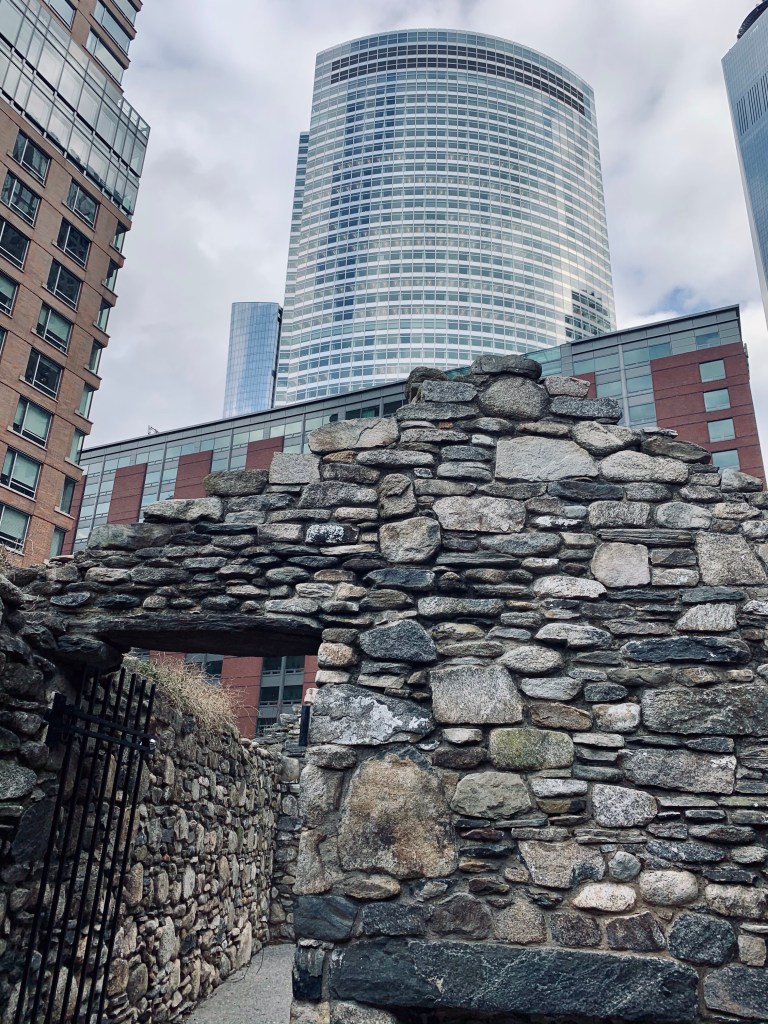
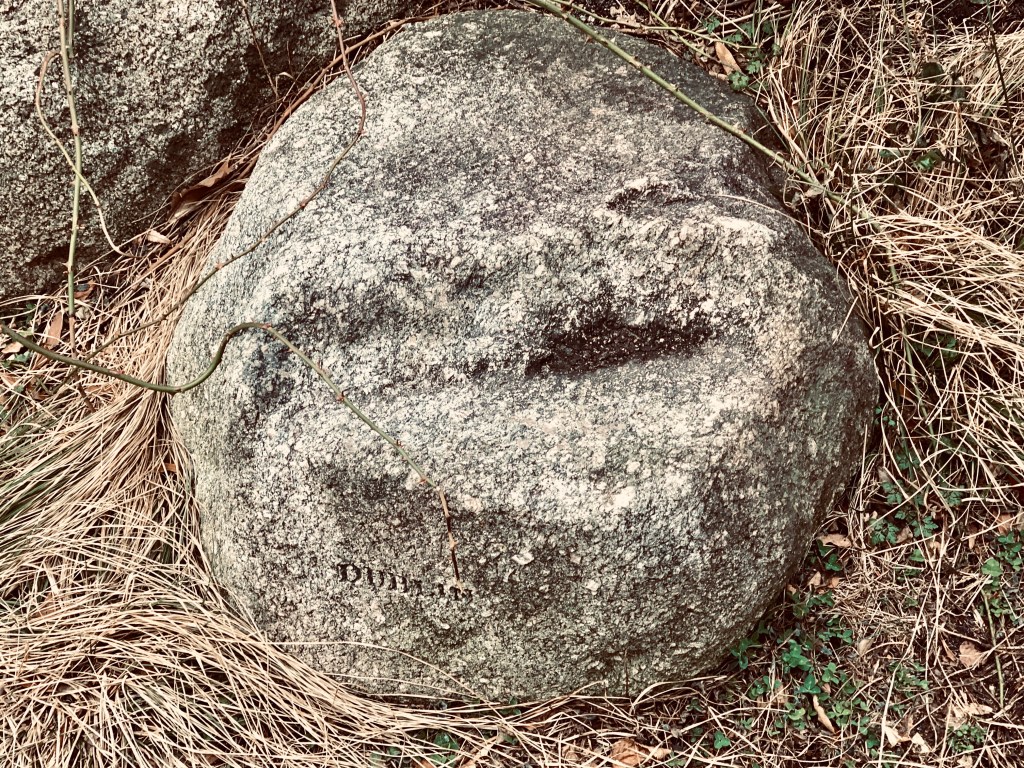
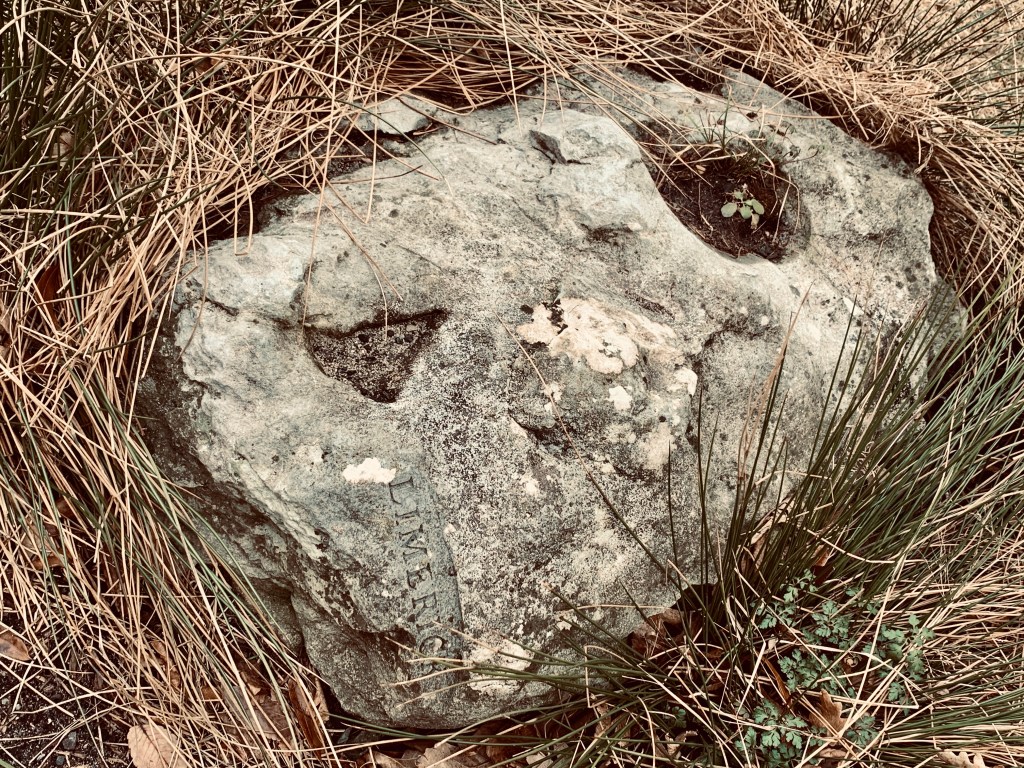
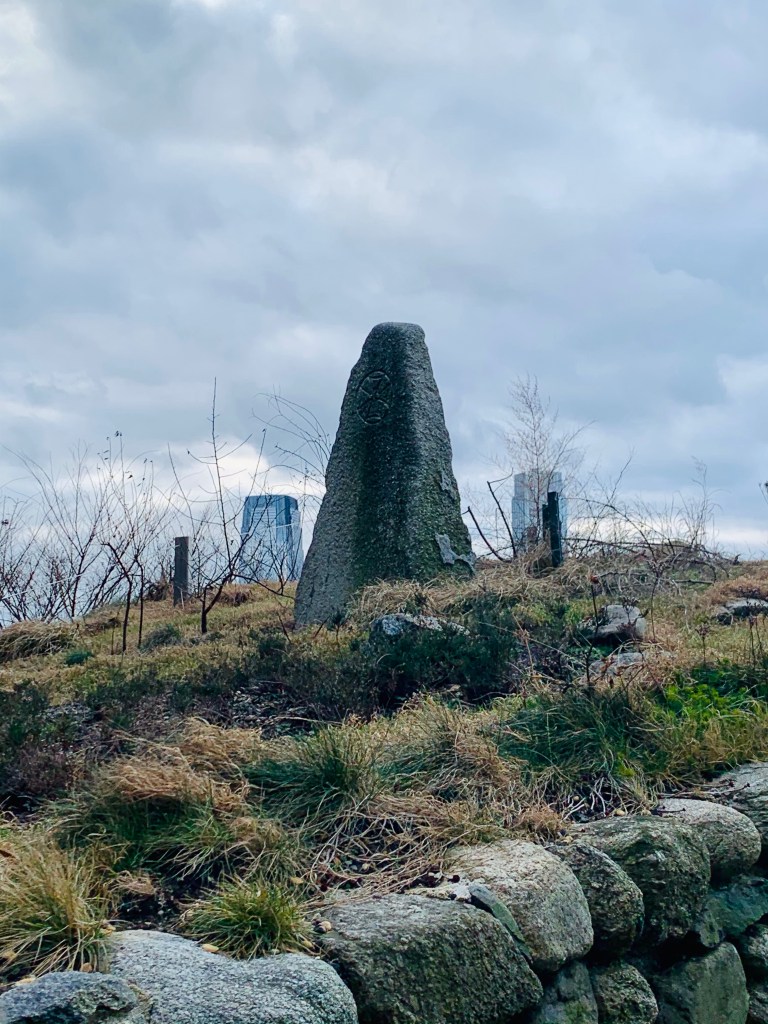
The structure itself was designed by New York native and sculptor, Brian Tolle. Construction actually began in March of 2001 and while brought to a terrifying halt by the collapse of the Twin Towers and the devastation that followed, in a testament to overcoming adversity, it was completed the following year. The centrepiece is an old Irish cottage ruin, shipped across the Atlantic from County Mayo, donated by the Slack family, distant relations of the artist. There are 32 rocks, each inscribed with the name of the county from which it was collected and the moss, plants and grass are all indigenous to the Emerald Isle.

Irish President Mary McAleese officially opened the installation in 2002, however it became heavily water damaged and underwent over five million dollars worth of renovations, re-opened to the public in 2017.

Our Visit

At the time of our visit, it was a cold, cloudy January day and it was quiet. You almost stumble upon it, as there is no fanfare, no grand entrance, flashing lights or gaudy signs pointing the way. It’s just there, dignified, humble and solid. It is unobtrusive, almost disregarded by the locals walking along Battery Park, dwarfed by Freedom Tower, a silent guardian of all beneath it.

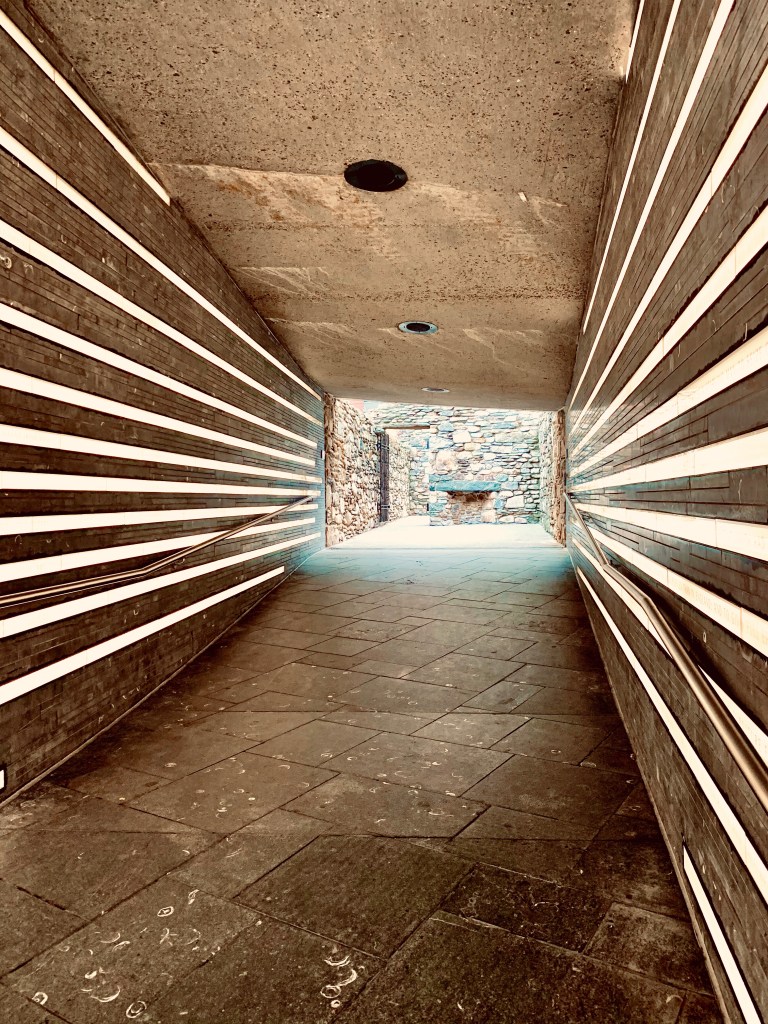
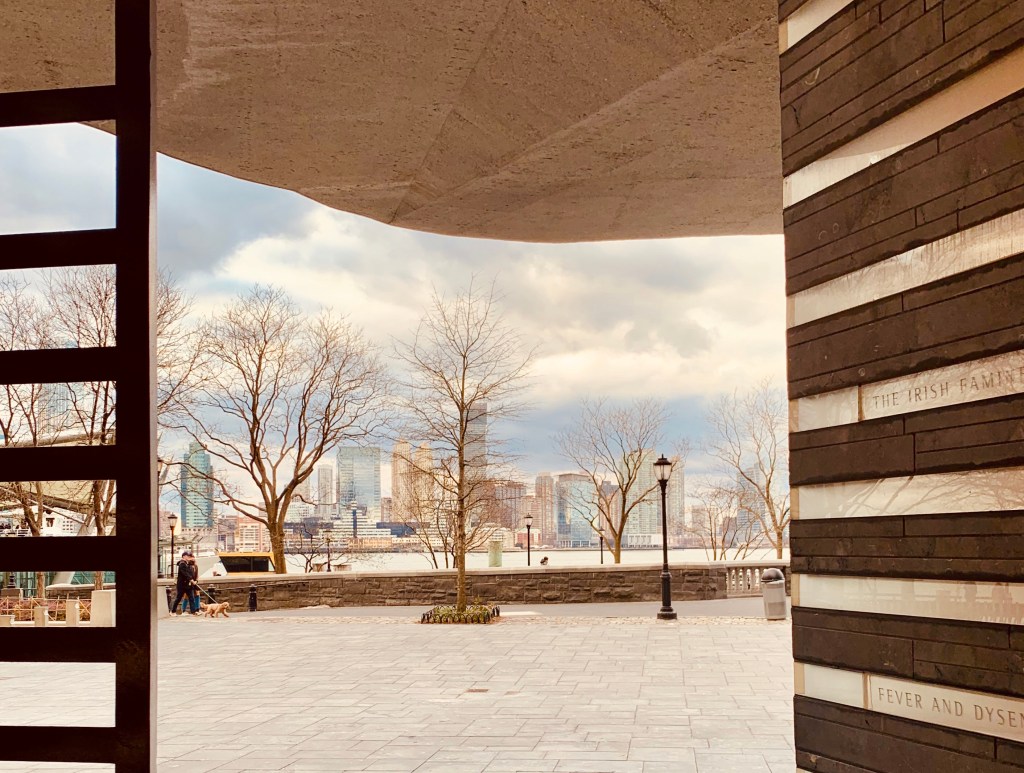
My first thought was of its contemporary elegance, unexpected and intriguing. The entrance walkway is wood and light, inscribed with old Irish proverbs, poetry and information on the atrocity as well as recorded audio excerpts.

I looked back through the street opening and it created a lively picture of the Hudson River and boats, walkers and the Battery Park promenade – a stark contrast to the poverty, death and despair the memorial represents. It opens out into a stone walled ramp, through a gate and a step back into rural Ireland, a portal to a faraway land, carefully balanced on a limestone plinth.

Scattered among the flora and fauna surrounding the cottage ruins are the county stones, a race on to see would I find my Limerick boulder before Dominic found his Dublin one! As usual, the Dub was victorious. Respectful tourists whispered as they explored each detail, pausing to look out to the water and over to New Jersey.

The Irish Hunger Memorial is peaceful and poetic, thought provoking and inspiring. For any tourist it should be added to the list to visit, if only to take time out from the hustle and bustle of Manhattan. For any Irish visitor or Irish descendant, its a must. Entry is free, the only cost is your time spent remembering the fallen and survivors of the blackest period of Irish history and the bond between two nations.

For more information on Emigration and Ellis Island:

https://discovernewyorktravel.wordpress.com/2020/10/31/welcome-to-the-new-world-ellis-island/

For more information on this and other Irish history, folklore and traditions go to:

https://darkemeraldtales.wordpress.com/

All New York photos by of Ann Massey

Featured

HAUNTINGS OF MANHATTAN

Photo by Ann Massey

As a paranormal investigator and writer of all things spooky, it is impossible for me to visit a location without checking for ghosts!

Fortunately, NYC and particularly Manhattan, have plenty, so here are some of my favourite haunted locations in the Big Apple that I have been fortunate enough to visit!

Empire State Building

Antenna at the top of the Empire State Building, photo by Ann Massey

Myself and Dominic took a witching hour visit to the Empire State Building on a cold January night where we found ourselves alone on the 86th floor with just the security guard watching over and possibly a spirit or two.

Since the Empire State Building opened to the public in 1931, the 102 storey high Art Deco architectural feat has seen a number of tragic suicides from the 86th floor observation deck and these tormented souls have been reported as seen, heard and felt by visitors and workers alike.

The most famous of these is Evelyn McHale, a 23 year old bookkeeper who’s post jump photo in 1947 was snapped by photographer Robert Wiles after she landed on a limo and it has the name ‘The Most Beautiful Suicide.’ The photo has featured in publications through the years, and the image used by Andy Warhol and by musicians ranging from David Bowie to Taylor Swift.

Evelyn was engaged to Barry Rhodes, formerly of the US Air Force. She was set to marry him in June of 1947. Instead on the 1st May she took the elevator to the 86th floor of the Empire State Building and took her own life. A security guard just several feet away was unable to reach her in time.

As her poor body lay on West 34th street, a suicide note was found in her pocket. It revealed poor young Evelyn was unhappy with herself and did not feel good enough for the world. With a family history of depression she believed she would make a terrible wife. In this heart-breaking tale her fiancé lived until 2007 and never married. Evelyn tragically is reported to haunt the Observation Deck to this day.

The Dakota

The Dakota, photo by Ann Massey

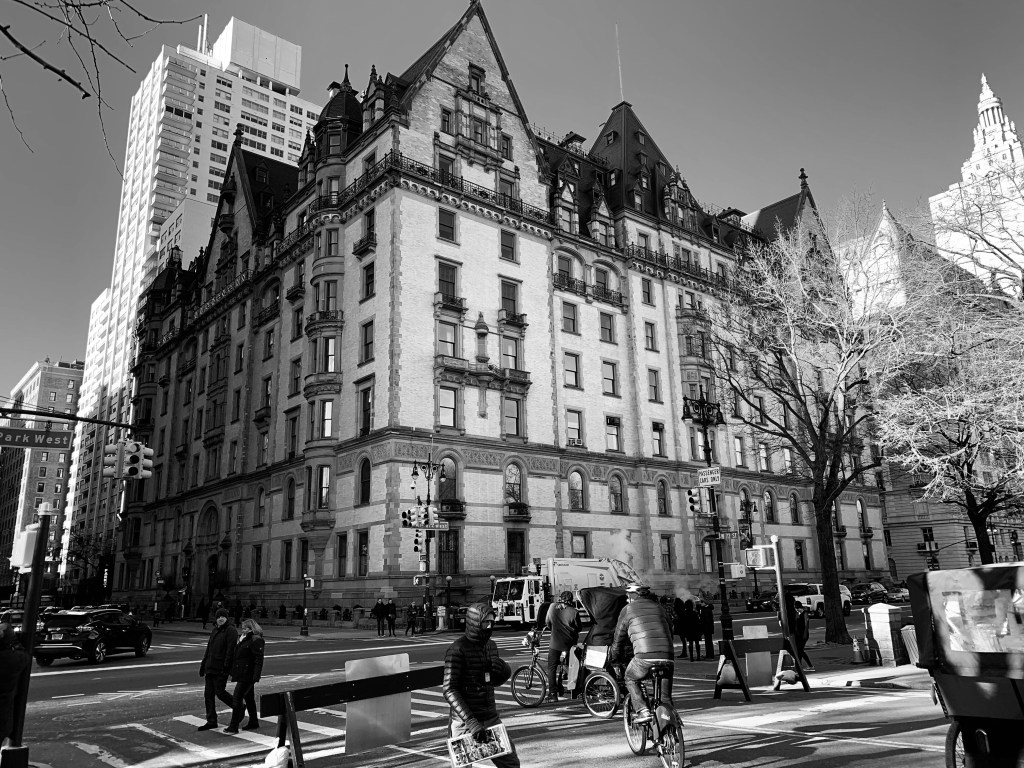
The Dakota Building stands on the corner of 1 West 72nd Street overlooking Central Park. The building itself dates back to 1884 and was the backdrop for 1968 horror “Rosemary’s Baby.” It was also the residence of Hollywood Royalty, including Lauren Bacall, Judy Garland, Leonard Bernstein and Boris Karloff.

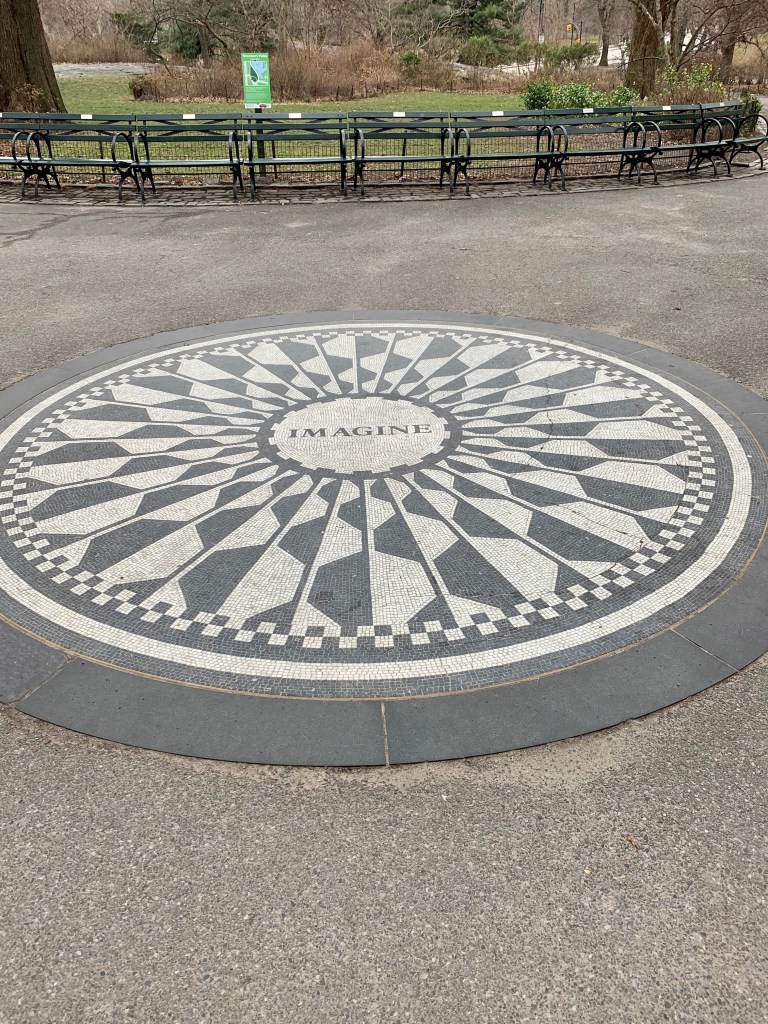
It was of course, where long time resident, John Lennon was tragically shot dead in 1980 in the entrance . His ashes are spread in the Strawberry Fields Memorial across the street from the Germanic façade and his ghost is said to roam the top floor apartment he shared with Yoko Ono.

Long before this however, The Dakota had a haunted history including a male figure and the ghost of a young girl in Victorian clothing which John claimed to have seen. Yoko Ono says she still sees the spectral form of the young girl and that of John Lennon himself.

This is a location we have visited a few times now, drawn to the cultural relevance and haunted significance. Each time my eye is drawn to the top floor apartment and I can’t help but wonder if John Lennon is still looking back, watching over Strawberry Fields forever…

Strawberry Fields, photo by Ann Massey

Morris-Jumel Mansion

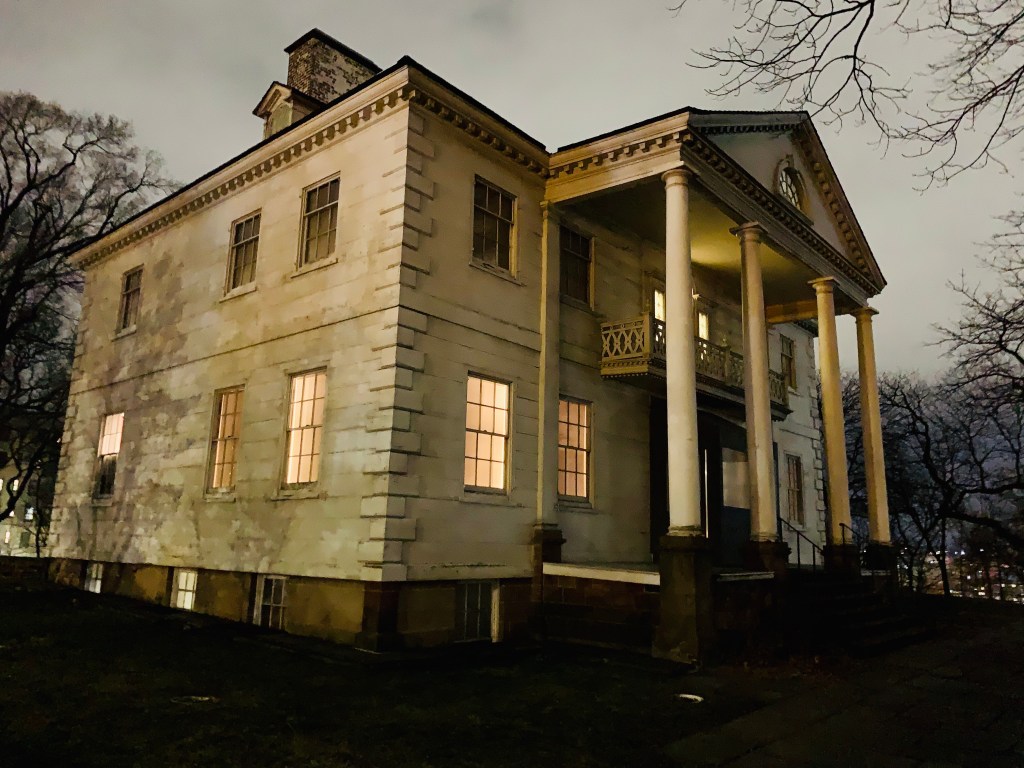
Morris Jumel Mansion, photo by Ann Massey

When myself and Dominic were given the opportunity to exclusively investigate a mid 18th century haunted Mansion in the heart of Manhattan, we couldn’t believe our luck!

Built in 1765 by English Colonel Roger Morris, our investigation fell on his birthday no less. The Morris-Jumel Mansion became the main war room for George Washington and he served his inaugural cabinet dinner here on becoming President. This elevated location with views across the Hudson River and looks out to New Jersey and Connecticut has seen war, Presidents, Vice Presidents and even spent time as a tavern in the 18th century.

The Morris-Jumel Mansion is an exquisite historical diamond stood on one of the highest points of Manhattan and on arrival we were astounded at this anomalous colonial residence surrounded by much later buildings and an entire 100 year plus later neighbourhood, we couldn’t wait to begin our parnormal investigation.

Even before our first session started, Ann’s senses were on high alert. Built by Colonel Roger Morris as a summer home in 1765, it was then taken over by Eliza Jumel with her husband Stephen. In the main hall, I was photographing the portrait of Eliza and her grandchildren. No matter what angle, the camera software was only picking up Eliza and her granddaughter, not her grandson.

I mentioned it to Chris, our host and fellow paranormal investigator, along with the fact I was getting bad vibes from the painting. It was then that Chris explained that to spite Eliza as he was cut from her will, William had spread ill words through local high society that she had murdered her husband when in fact he had died from complications after a stomach injury.

Eliza disowned her grandson due to him choosing a gold digger over his inheritance and his vengeance as a result. Chris then went on to say that when visitors came to the house, she would place a cloth over the portrait to cover his face…

The ghost of Eliza Jumel has frequently been seen over the years and we were very aware of her presence keeping an eye on us. For the most part however, the evidence pointed to dark male energies, especially in the dining room and the Master’s bedroom.

The Master’s bedroom gave us shadow figures, huge drops in temperature, footsteps and instrument readings off the scale. I took the opportunity to sit in the armchair that belonged to Vice President Aaron Burr, who cheated on Eliza soon after their marriage and died of a stroke, penniless, in a seedy boarding house on Staten Island. I can assure you, after ethereal pressure of a masculine nature, together with the room darkening and K2 meters angrily glowing red, I wasn’t long getting up!

Central Park

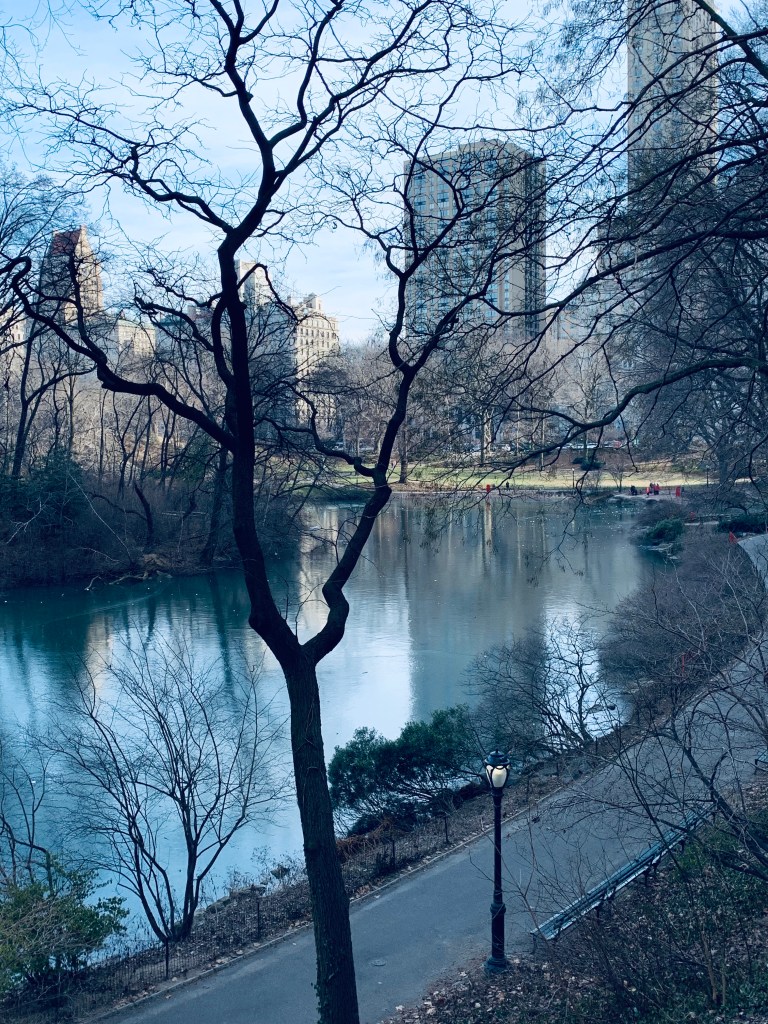
Lake beginning to freeze over Central Park at 59th and 5th Avenue, photo by Ann Massey

Without a doubt Central Park is the place myself and Dominic have spent the most time over our visits. I am always drawn to the spiritual nature of water, so the lakes and ponds are a must for me.

My paranormal self was therefore delighted to discover the ghosts of Central Park are two sisters skating on a frozen pond!

Janet and Rosetta Van Der Voort lived near 59th Street and were only ever permitted to visit the pond on the corner of 59th and 5th Avenue. An overprotective father saw to it that they saw little else of the world unaccompanied and both women remained spinsters, living in the family home.

They were so close, neither woman married, only to die within months of one another in 1880. They still return to their favourite joint activity, dressed in winter red and purple, bustles and dresses flying in the icy breeze.

Washington Square Park

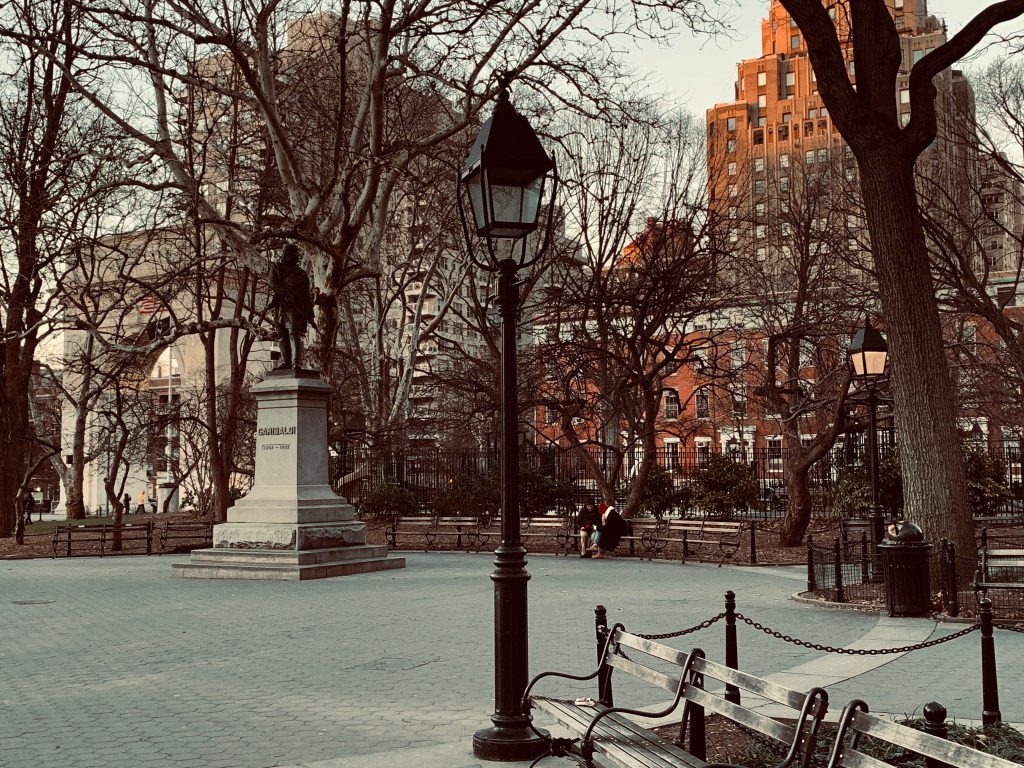
Washington Square Park, photo by Ann Massey

This delightful Square is set in Greenwich Village and is surrounded by the buildings of NYU. A cultural hubbub for students, artists and the trendy, it began life in much darker circumstances!

In the early 17th century, a Native American settlement known as Tobacco Field was very close to land on which the park stands, with the Minetta Creek their source of water. The Native Americans had lost this part of their world to the Dutch, who allotted some to slaves who had earned a sort of freedom and right to farm the land. With a cruel twist however, the children born of these people were born slaves.

In 1797 the council of New York purchases much of the property to use as a burial ground for the poor and criminal, known as a Potters Field. In the 19th century, New York was hit by a Yellow Fever outbreak and the dead were dropped unceremoniously into a mass, unmarked grave. The location was also an execution place for criminals as well as those who fell foul of the law simply for the colour of their skin or their dialect. There was a tree known as ‘Hangman’s Elm.’

As time progressed, the graves were covered over, new foundations laid and after a short spell as a military ground, Washington Square Park was created and has continued to evolve over the centuries.

We know as paranormal investigators, that to build over tragedy and misfortune, together with renovations and upheaval, you are almost certain to evoke the spirits of the damned and mistreated!

There have been countless paranormal reports, sightings and experiences of visitors to Washington Square Park, coming face to face with the shades of the past. As we walked through at dusk, as a sensitive, I could feel the weight of a dark and cruel history defy gravity, pushing up from beneath the artfully placed paving stones, crawl up my body and penetrate my very soul. Screams of the past competing with the noise and hustle and bustle of students, artists and tourists of today to be heard and remembered.

Grand Central Station

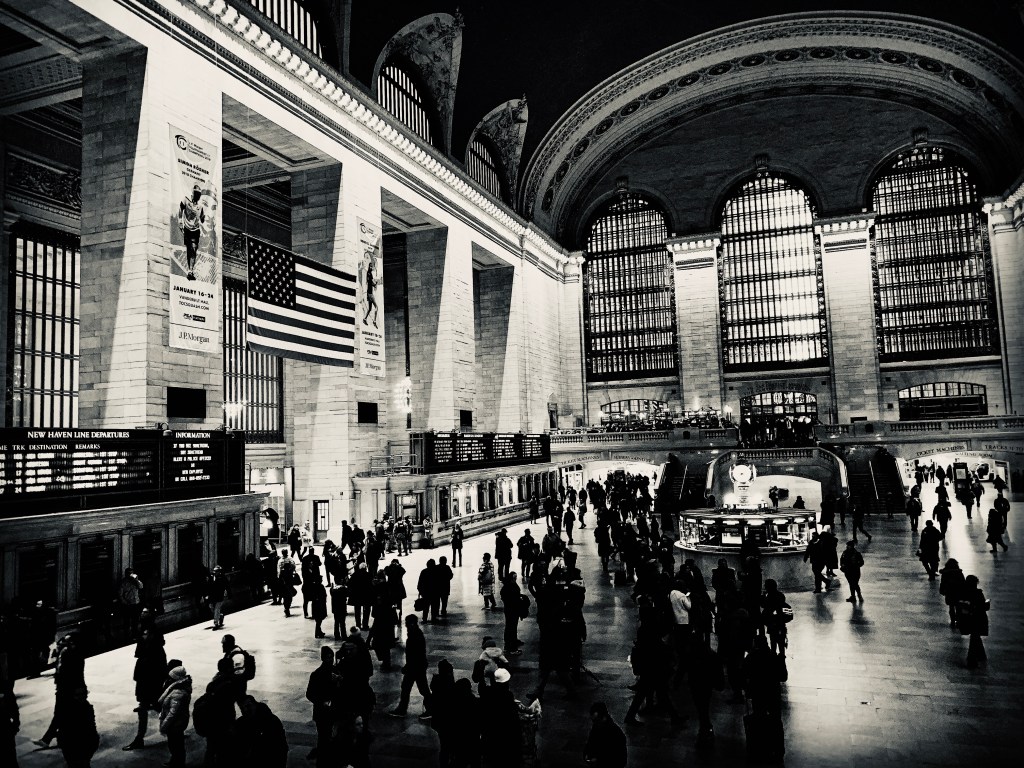
Main Concourse, Grand Central, photo by Ann Massey

Grand Central Station stands on 42nd Street and is split over two main levels. The mainline and adjoining subway take commuters across the Big Apple and out to Connecticut and an Intercity service does the rest!

The journey to the station as we know it began when Cornelius Vanderbilt saw an opportunity to expand the travel network across the Hudson and by 1900 Grand Central was born. It was not without downfall however, as rail catastrophes and the end of steam locomotives took their toll. Finally, in 1913, the iconic Grand Central Station came into being.

While the outstanding art deco style Main Concourse took our breath away, complete with astral ceiling mural, it was the maze of secret tunnels including one for Franklin D Roosevelt to the Waldorf Astoria Hotel, as well as tales of an entire ghost train heading straight to Hell itself that caught our attention!

Roosevelt did not like to be seen in his disabled state publicly struggling with travel, so he had a private mode of transport in a tunnel beneath Grand Central that took him discreetly street into his suite at the Waldorf Astoria. His faithful dog, Fala, is still seen running around the lower levels, looking for his master.

A lonely ghost terrified travellers on the platform for tracks 112 and 114 until apparently a resourceful police officer convinced the spectre it would be more comfortable in the warmth of Florida for the winter!

Perhaps the most terrifying account however, dates back almost a century. A man dressed in black from head to foot and a face contorted in fear, asked the duty manager where his midnight train to hell was departing, for his crimes in this world had determined his destination in the next.

The employee carefully explained that the only trains were inbound just before and just after midnight and not to worry. With that the screech of a steam locomotive whistle echoed across the concourse and the manager was blown off his feet by the pressure of hot steam coming from the tracks. When he got to his feet, the man was gone, just his black hat left rolling across the platform.

Brooklyn Bridge

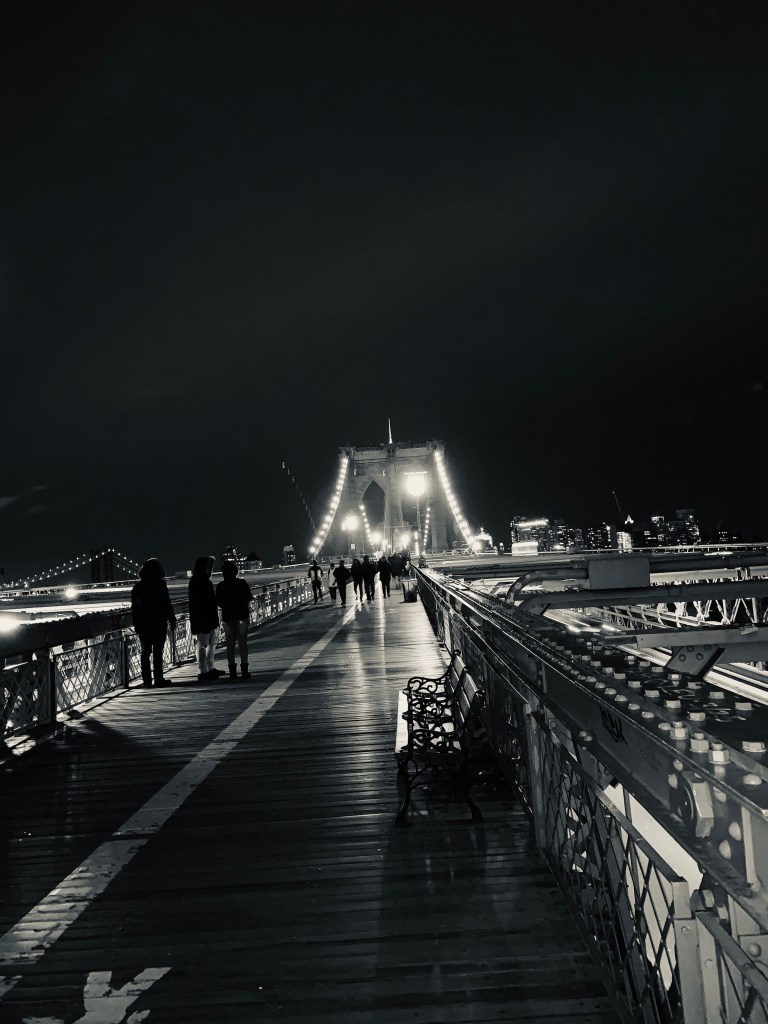
Brooklyn Bridge, photo by Ann Massey

Since this incredible piece of architecture first spanned the East River in 1883, it has been known as the Bridge of Death.

It was designed by John Augustus Roebling, who succumbed to an injury after his foot became crushed between a ferry and a piling. He was one of almost 30 construction related deaths.

During the official opening, a stampede saw the deaths of a dozen members of the public.

With the location being a suicide hotspot, some of the murkier gang related incidents and other criminal activity with innocent victims, death continues to rear its ugly head.

Reports of floating ghost corpses in the river, a headless ghoul prowling the bridge walkway and shadow figures drifting between Manhattan and Brooklyn are all commonplace, along with phantom screams and the splash of water dissipating into nothing.

We braved a night time walk across the bridge and it was busy but quite creepy indeed, I cannot say for certain that every body we passed was corporeal…