
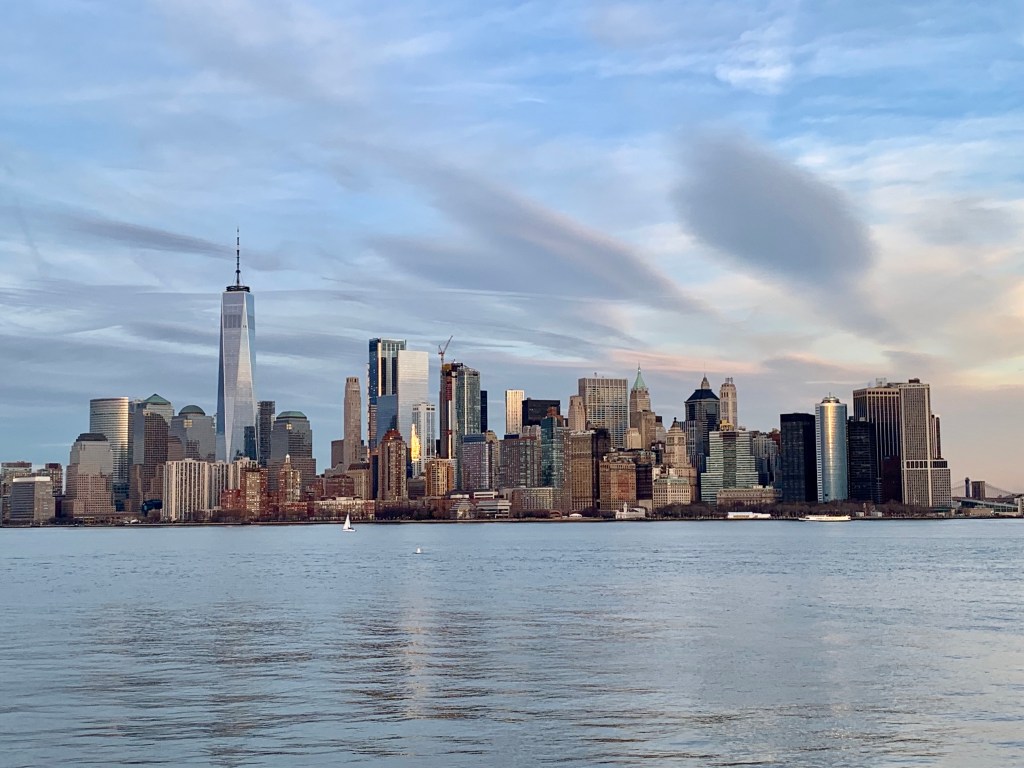
There’s is no getting away from it, a trip to NYC can be costly, but it doesn’t have to cost the Earth and some things are actually free! Here are my top tips for making the most of your time in the Big Apple without breaking the bank.
When To Travel
Unless you are absolutely desperate to get caught up in all the Thanksgiving and Christmas madness, or wish to feel like a cow on a cattle ranch in the height of Summer, choose your time to travel CAREFULLY!
We tend to visit in January. This is when you get the best flight prices, hotel rates, restaurant week prices and reduced rates at attractions. Particularly in early January, there are many Christmas lights still up and you get to enjoy the wintery, festive weather without the crowds and hefty price tag.
While the idea of warm sun may be appealing, New York will be hot, humid, sticky and with higher pollution levels in the summer months, not to mention packed. Sunshine in Central Park may sound romantic, but not when you can’t see the grass for people.
We found that in January, people are nicer too! After the stress of Christmas and large crowds, the attractions and even the Central Park carriage drivers have more time for you, prices are lower and you get a far more pleasurable experience. We even get sunshine with our crisp weather to make it more special!
Who To Fly With And What Seats to Buy
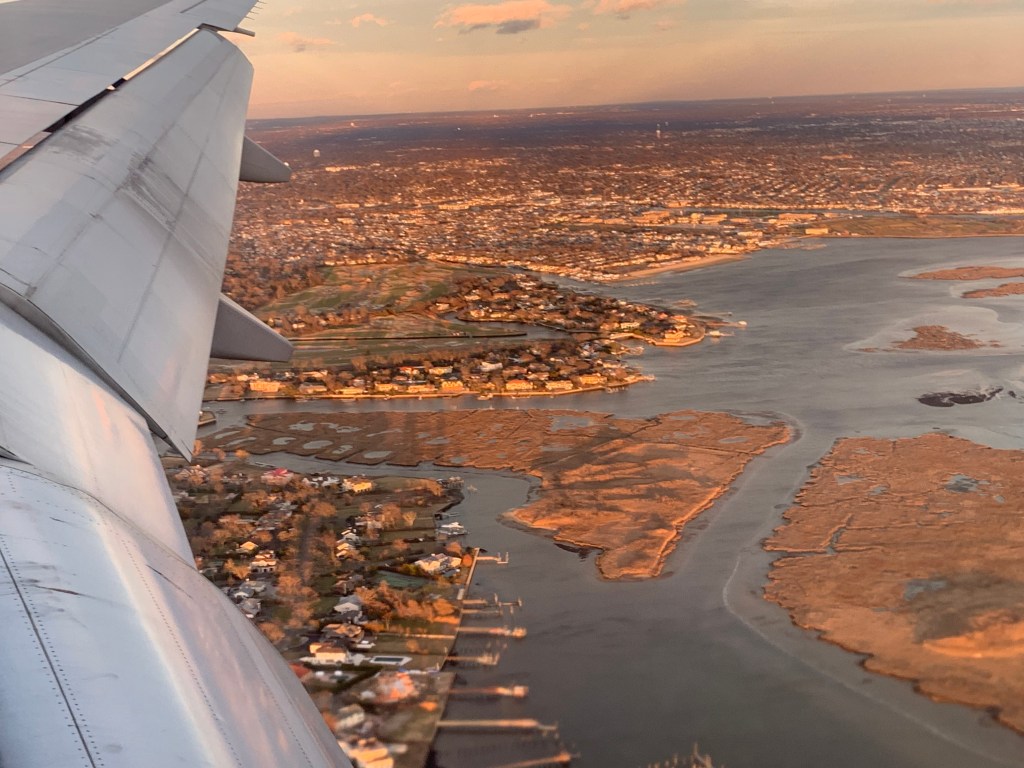
Dominic is a big, burly chap so for a flight of seven and a half hours or so needs to be comfortable. The question is, if you pay for an upgraded seat, what are you paying for exactly?
One time we decided to go with British Airways, which meant a short flight from Dublin to London Heathrow before boarding the 777 with premium economy seats. Now the seats were lovely, food and extras were fabulous and we were treated like VIPS, even though it wasn’t Business or First Class.
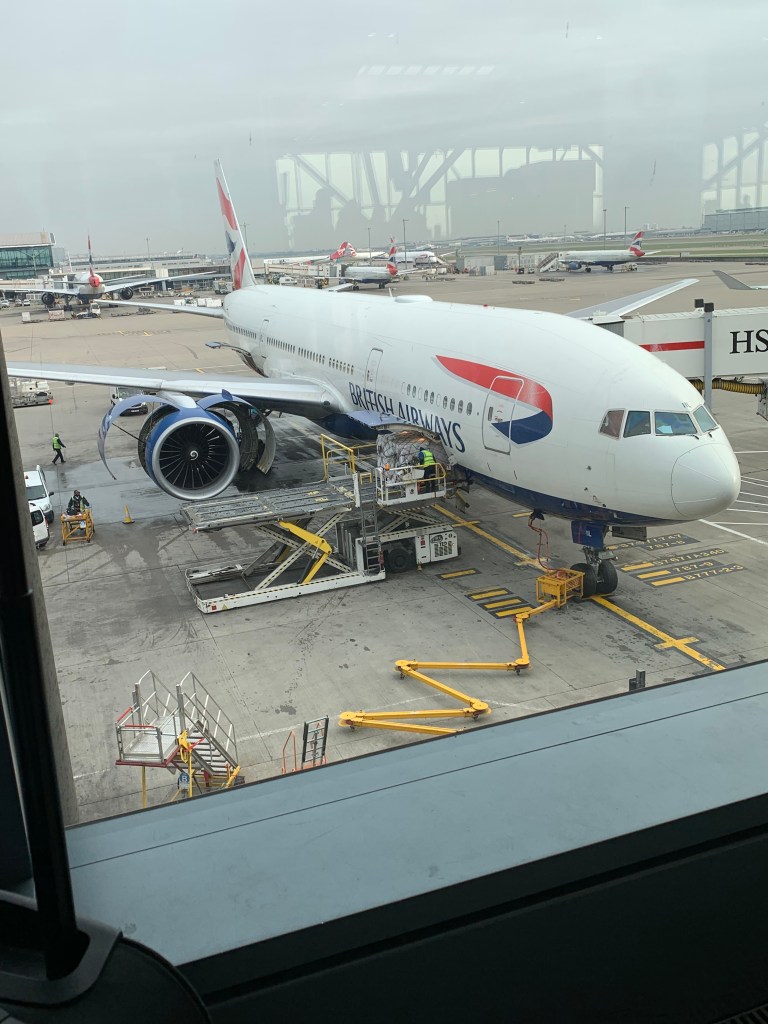
The downside of this however is that we didn’t get to do the USA Pre-clearance which can only be done at Shannon or Dublin and of course, it added hours to our travel time. For the return leg on the Dreamliner, the journey was not of the same level of comfort and service was rushed, so essentially we had paid for nothing.
With Delta, their first level upgrade isn’t really an upgrade worth talking about. Marginally increased legroom and nothing else special.
Unless you can afford to fly Business Class or First Class, don’t waste your money on lower level upgrades, it really isn’t worth it. Instead, just opt for the economy/coach seating with extra legroom if you need it.
When looking at airlines, they are all much of a muchness and this time we will be flying Aer Lingus. Go for value flights that suit the times you want to travel. Remember the majority of flights coming back from NYC are red-eyes. Food tends to get served really quickly to be out of the way, lights are dimmed and folks try to sleep so forking out for anything else is a waste. Perhaps treat yourself outbound but definitely don’t bother on the return.
Airports

Wherever possible, opt for an airport that has US pre-clearance, so in Europe that is Dublin and Shannon airports. The process is much less stressful and when you land in NYC you are straight out of the domestic terminal, no long lines after a long flight!
The airports are one of the times I will tell you to spend money. Book your car parking in advance for a smooth arrival. Make use of Fast Track security – again, something like this takes so much stress out of your journey. It’s uncomfortable enough having to unload everything into a box, take off items of clothing and go through scanners, without having to queue for ages doing it!
Pay for use of an airport lounge. In Shannon Airport it is the Ború Lounge and at Dublin Airport it is the 51st and Green Lounge exclusively for US pre-clearance. So civilised and quiet, with comfortable seats, good food and drinks and you can sip on a pre-flight cocktail while watching the planes. There are also good facilities for refreshing and even changing into flight clothes if you wish.

On your return, if you are buying duty free, your items will be taken from you and placed in a sealed bag, to be handed to you at the aircraft. Ensure the seal is intact as that is a requirement for bringing it back into your home airport.
Hotels
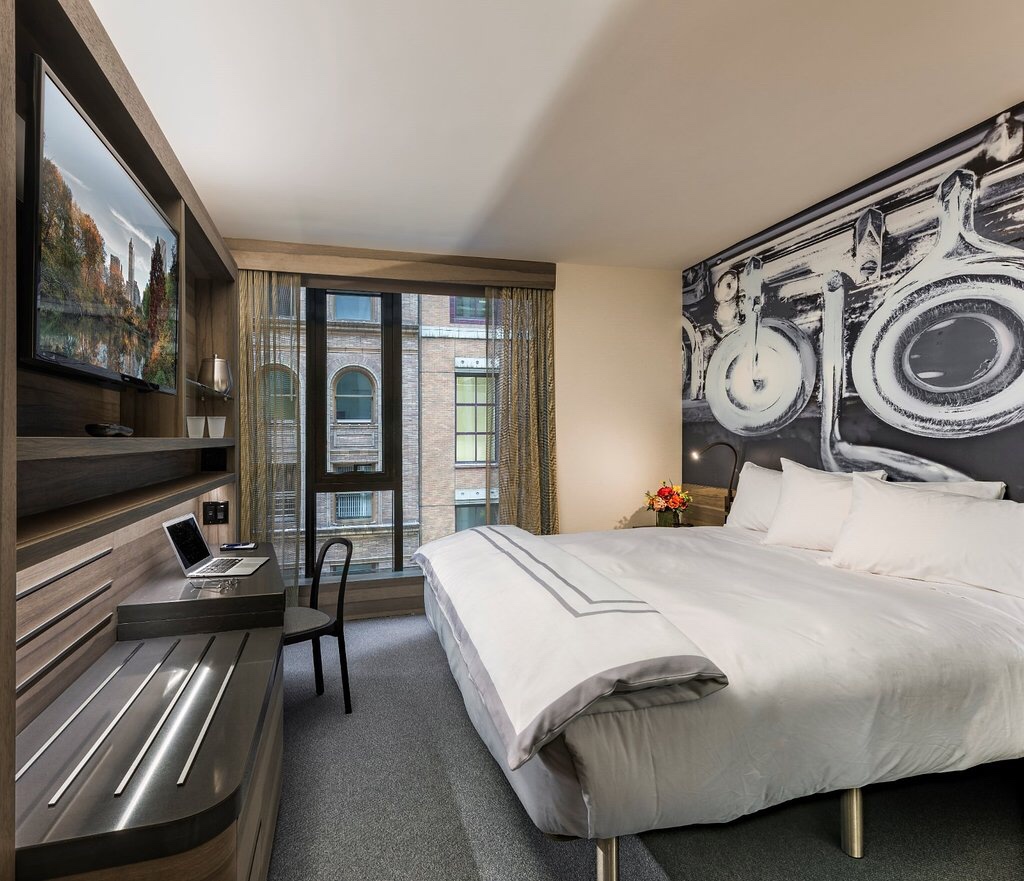
When selecting your hotel, make sure that all the taxes are included in the price so you don’t have a nasty shock on checkout. To be fair, whether booking direct or through someone like Booking.com there is clarity on your final price. Many hotels do not include breakfast in your price so if you can find a good deal, go for one that does.
Here the cheapest isn’t your best option. Location is key, both for safety and accessibility. Go for somewhere that has a radial walking distance of around 15 minutes to main attractions and locations you want to visit. Midtown is usually best for value hotels that cover this and do read reviews before you book. We have been staying at The Carnegie Hotel, which was a perfect location opposite Carnegie Hall and had a free and very nice buffet breakfast as well as a free cheese and wine hour in the early evening, however this time around their prices have rocketed so we will be looking elsewhere.
While views and large fancy rooms are nice, they are a waste of money! You aren’t travelling across the Atlantic Ocean to stay in a hotel room. To make the most of your time in the city you are going to be spending very little time in bed. A place to lay your head with heating/air-con and a decent shower are all you need!
In your hotel you would tip a porter, waiter or bartender, but that is pretty much it on the cost front.
Transport
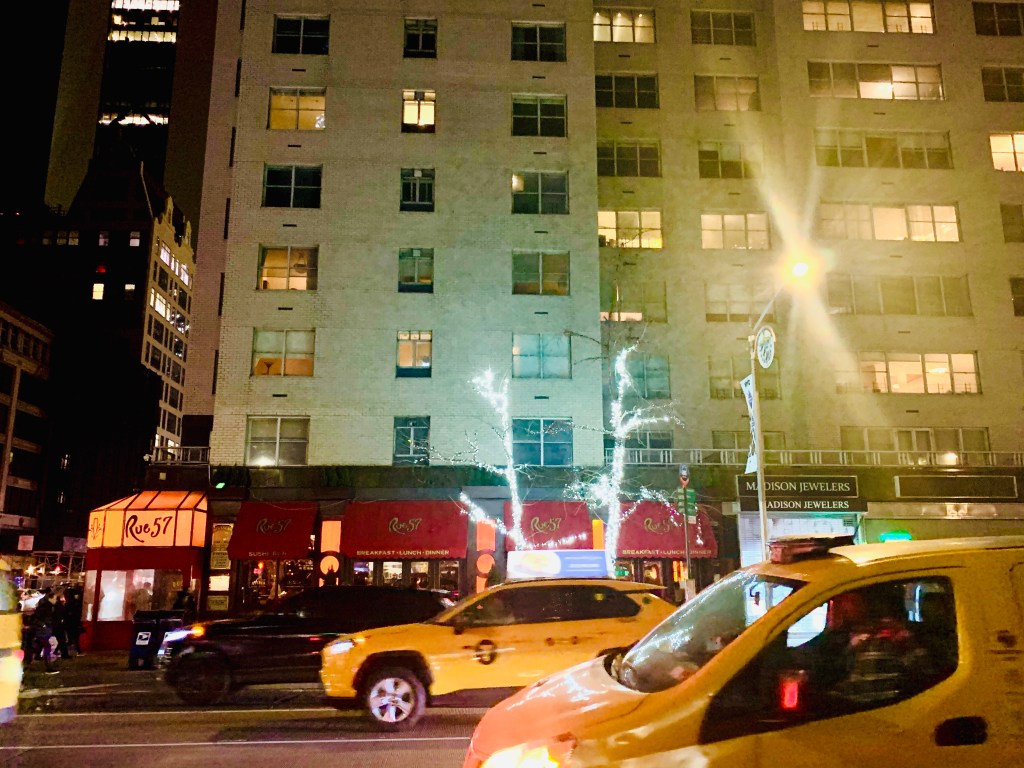
The great thing about airport taxis into the city, are that they are set pricing from JFK. It’s a set journey rate plus toll, tax and peak hour surcharge but you do need to account for a tip. All told you will be looking at around $70 for this journey including a decent tip. Remember tipping is everything in NYC and we will cover that as we go.
So you’ve had your yellow taxi ride and this is the one definite time to use it. After this, because of traffic levels, don’t waste your time or money unless you are out for the night and it is a question of feeling safer going back to your hotel. Yellow taxis are also very uncomfortable, another good reason to avoid them where you can. I am only 5′ 3″ and my knees were jammed against the divider. We never touched an Uber. For your return journey, get your hotel to book your car back to the airport – the price is similar and they will be using a reputable service.
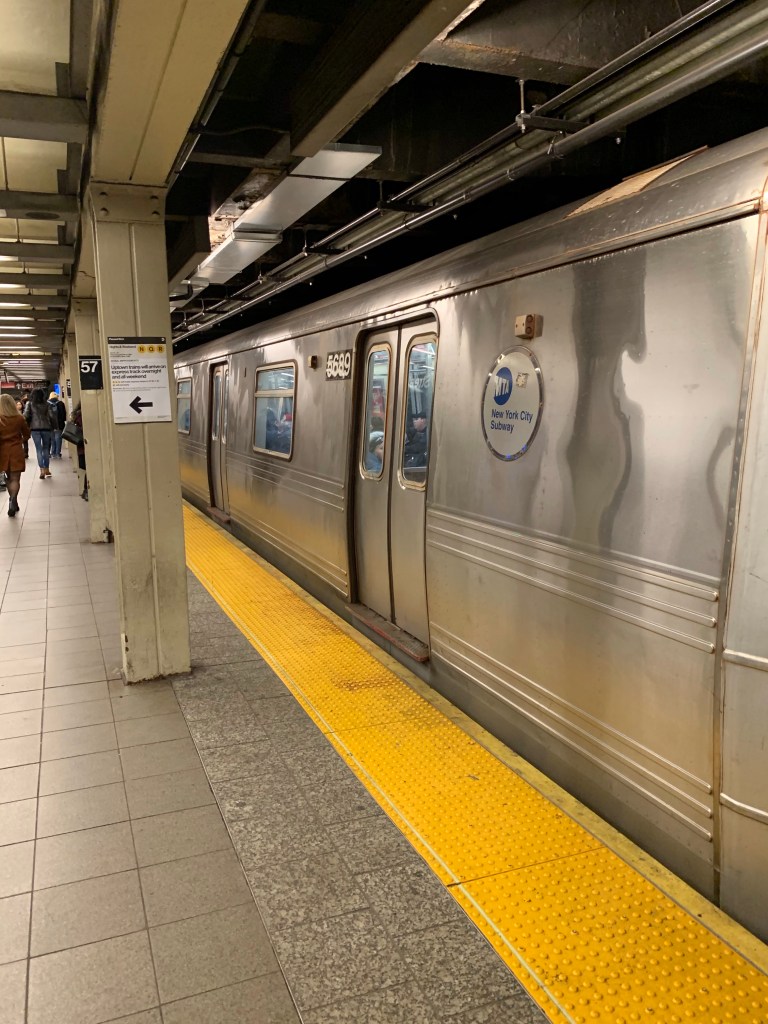
Our first primary method of getting around NYC is the Subway. We bought a 7 day pass and it takes you everywhere all the time without further outlay. Download one of the NYC navigation maps and your routes, subway times and distances to subway stations are all laid out for you.
The subway is a different world, remember it is how New Yorkers get around on a daily basis. The stations are great bits of history, with good art pieces and of course, buskers. My advice is don’t be putting your hand in your bag to take out change for buskers, beggars or anything else while travelling the subway. If it is loose in your pocket fair enough, just don’t draw attention to yourself. That said, I was serenaded on the downtown train by a group of retired gentleman singing Motown and Dominic had a couple of dollars in his pocket which we were more than happy to give!
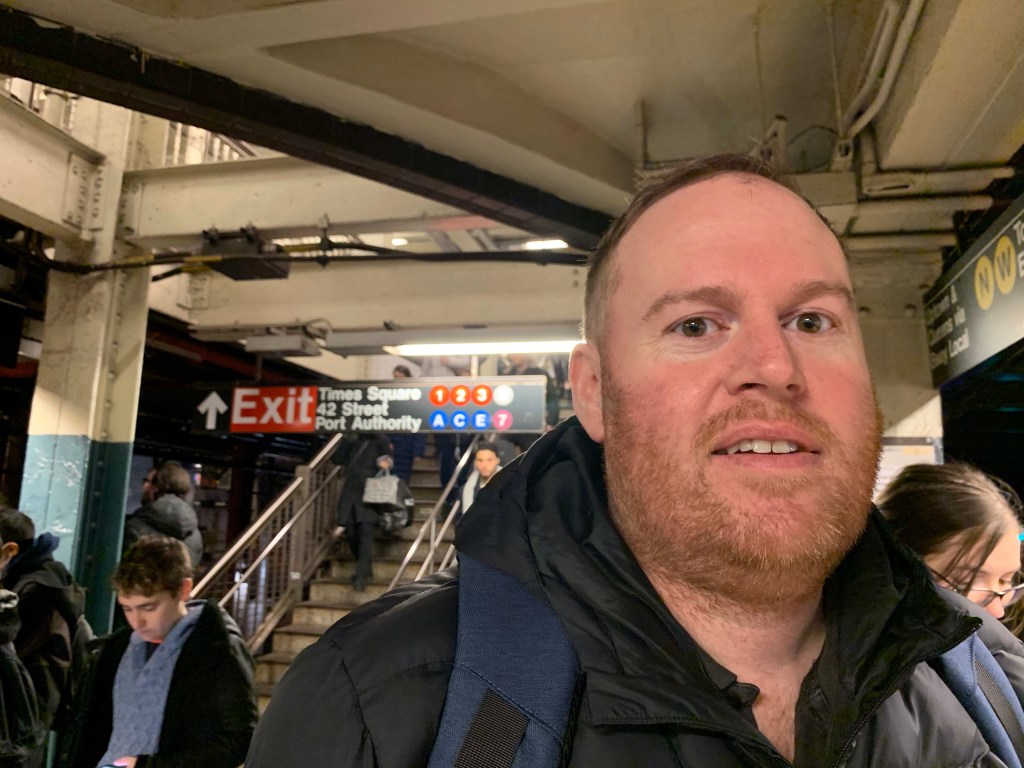
You will also see strange things, but that is par for the course in any major city, just be alert and act like you belong and you will be fine. It really isn’t any different than riding the Underground in London or the LUAS in Dublin.
Our other primary transport was a simple one – OUR FEET! With the right hotel selection and studying a map before you go, you can really make the most of this option and your time. It is also the best way to find hidden gems to explore and places to eat that you would otherwise miss. Even in the rain it is manageable and we just bought an umbrella from one of the stores we passed for a few dollars and binned it when we left.
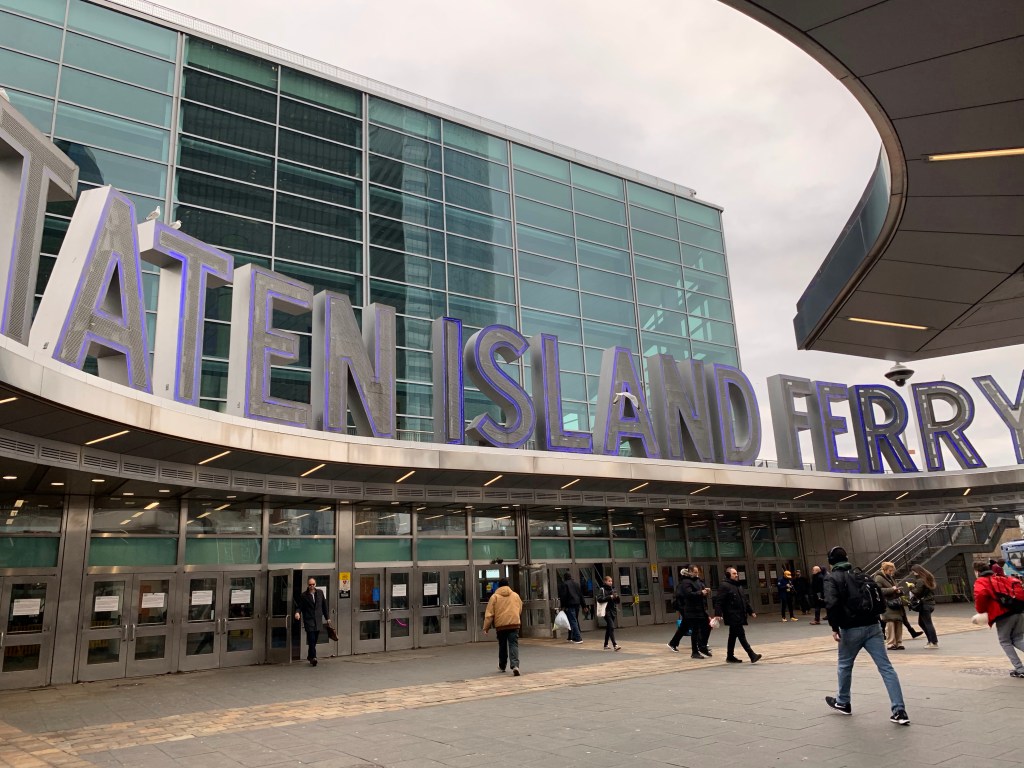
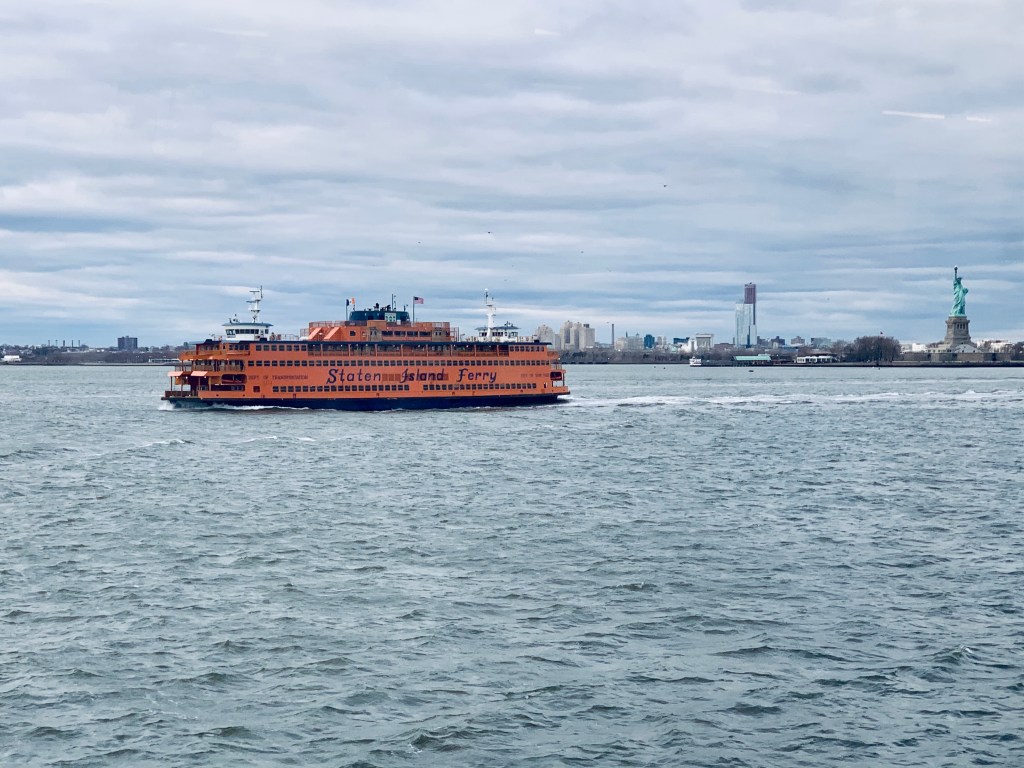
A great free resource that visitors tend to forget is the Staten Island Ferry! Running 24/7, the distinct orange vessel is a great experience in itself and you get amazing views of downtown Manhattan and of course, the Statue of Liberty. Staten Island itself is not shy of a few nice places to eat or explore if the mood takes you, however we just had a small wander and got the next ferry back.
Dining Out
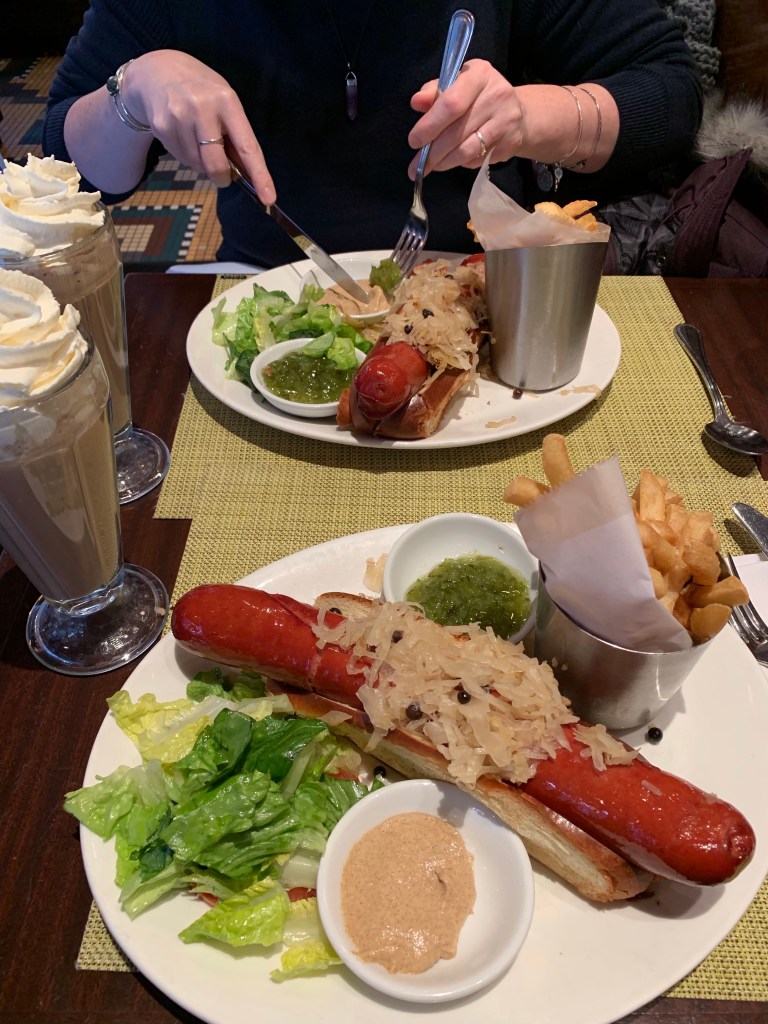
This can be pretty pricey with taxes and tips if you haven’t done your homework or taken advice from someone. So let’s break down the options for you.
Breakfast/Brunch
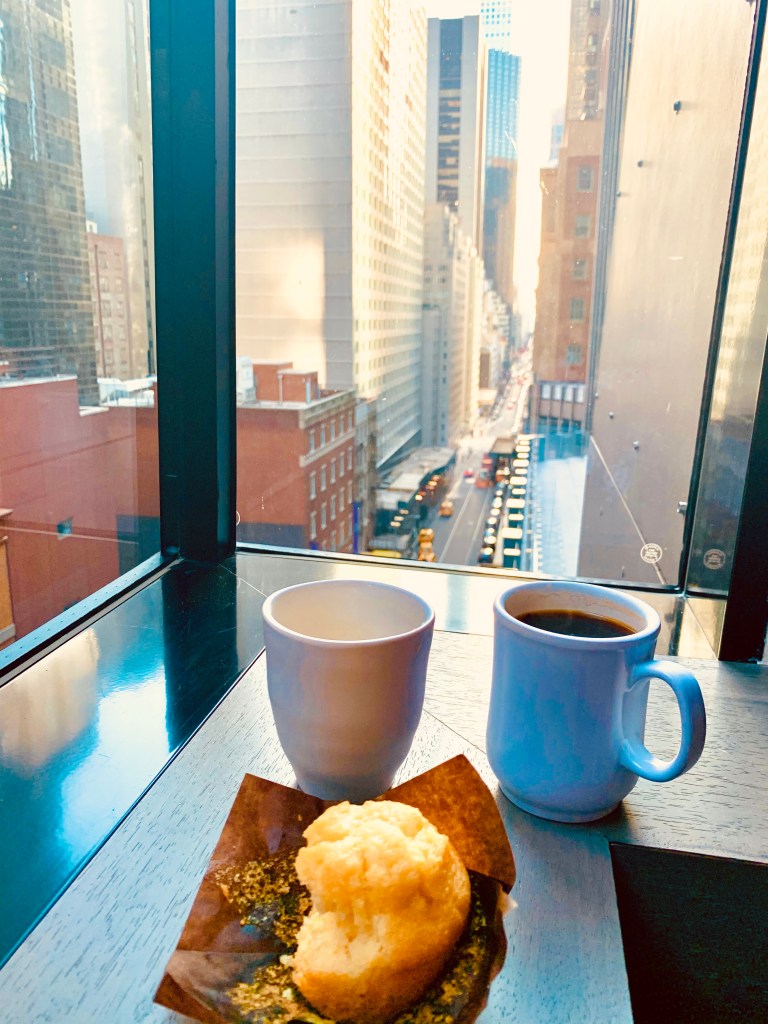
If you have breakfast included in your hotel price, load up! There are also many dining options with good value breakfast and brunches around NYC but go for one closest to your hotel. The hungrier you get walking, the worse your decisions and the damage to your pocket.
Lunch

Again, there are good value lunch options, or you could grab from a food truck, but just make sure you are using a vendor/establishment that is displaying the A rating. Keep away from the rest! On busy days, we would return to the hotel for a brief rest and change of clothes and order take out to be delivered to the hotel. It meant we were comfortable, got the choice we wanted and paid far less than we would sitting in somewhere. In NYC lunch is fuel to keep you going!
Dinner

This is where things can get pricy and I will elaborate on some of the more famous places next, but generally I would suggest choosing a couple of nice restaurants for dinner and booking in advance and go mid-range for the rest. There are some great places like the Brooklyn Diner that do breakfast, lunch and dinner, with a good choice, good vibe and serve alcohol if you want a glass of wine with your food. If it is used by locals its a good thing! We also used small Italian restaurants near to the hotel which were authentic and very well priced with a great ambience.
Big Name Establishments For Dining – Are They Worth It?
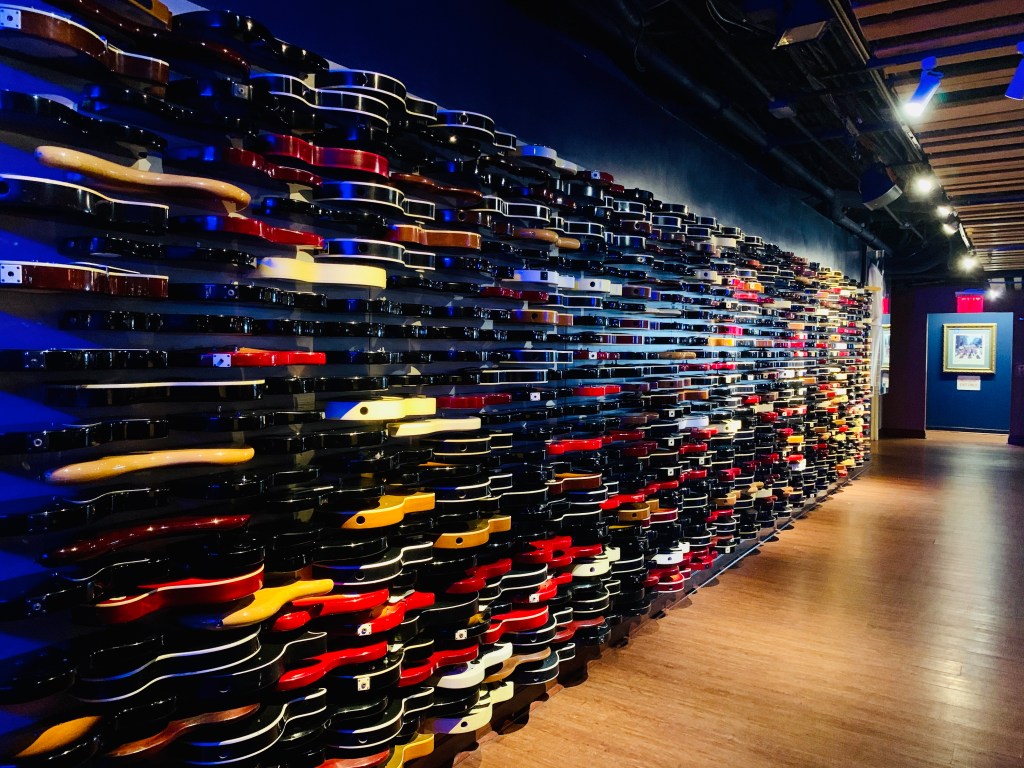
The more well known, the higher the price, pure and simple. We dined at Planet Hollywood and the Hard Rock Cafe and both are completely overrated. We are music and film nuts so we did appreciate the memorabilia but the quality of food and service versus the price was not worth it be honest.
Avoid dining in key landmark attractions as you are a captive audience and they price accordingly for average and sometimes below average food. Places like the Tavern on the Green in Central Park are also ok to give a miss as you are paying for the name and not necessarily getting the right return on your buck.

We did choose to have a small bite and a cocktail on our first night in the Rainbow Room Bar SixtyFive at the Rockefeller Center. The price was reasonable for the location and a burger and chips, it was elegant and full of a well to do crowd with a great view of the Empire State Building. As there are so many options for Manhattan skyline viewing now, I would avoid the Top of the Rock Observation Deck and pop into the Rainbow Room instead for a treat.
Enjoy The Plaza without the hefty price tag! You can wander around The Plaza hotel and they welcome visitors, just not in the private residents area (some of the hotel is now private apartments). So go in, take your photos, look at the Palm Court and Champagne Bar, but do your dining in the lower level food hall. Here you can have everything from lobster and champagne to burgers, Sushi and Italian food, all without breaking the bank. It is a really great location for lunch.
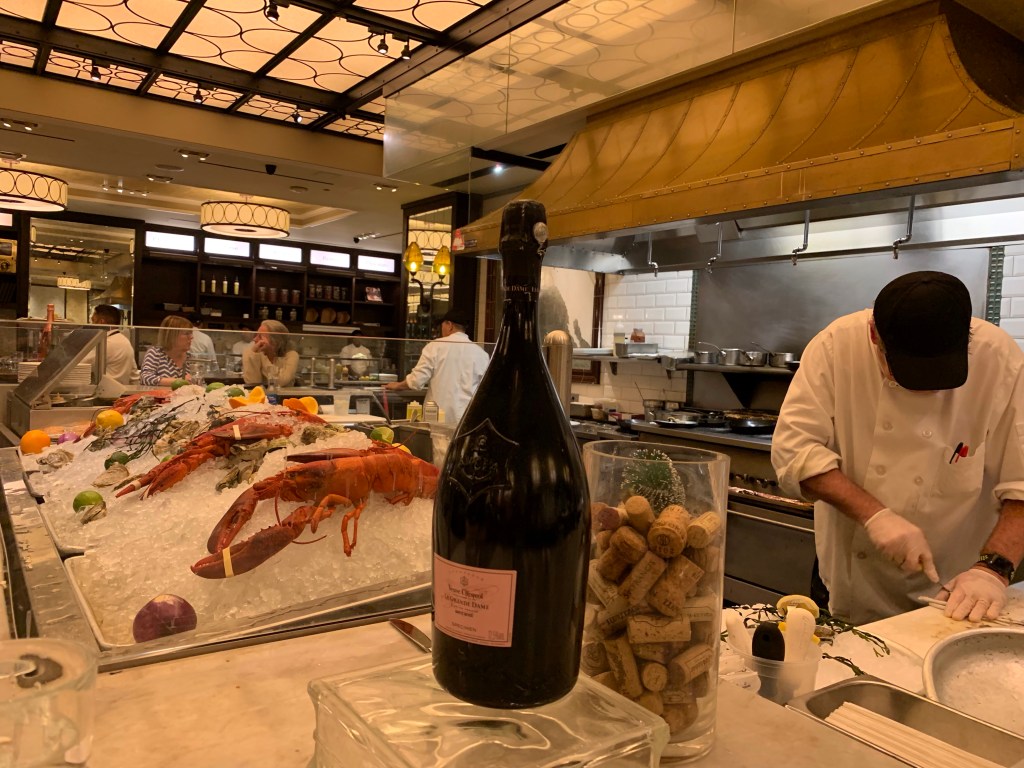
Make use of well used smaller establishments, particularly for lunch such as East Village Pizza or some of the lower priced chain restaurants and take outs.
I will be covering all our dining locations in a separate article, but for now remember when it comes to breakfast and lunch, you are fuelling up for your explorations! Save your money for dinner.
Free Locations to Visit

As we have covered, the Staten Island Ferry is free, as is walking around Staten Island! Of a similar persuasion, Brooklyn Bridge and walking across to explore Brooklyn, Central Park, Washington Square Park, Grand Central Station, all free! Along with Central Park of course, you have a chance to see the famous Dakota Building, Strawberry Fields and the John Lennon memorial, as well as your movie locations without putting your hand in your pocket.
Grand Central Station does do guided tours that are inexpensive and well worth it if you love history and haunted locations! Battery Park is another free place to visit with amazing monuments and sculptures, views out to Ellis Island and the Statue of Liberty. Beside it is the Irish Hunger Memorial which is also free to enter and explore.
Visit Bryant Park and beside it, the New York Public Library, with great artefacts, books and architecture, and of course the majority of Manhattan museums are free to enter, including the Met, the Guggenheim and American Museum of Natural History.
Of course you then have all your stores, Bloomingdales, Macy’s, Tiffanys, The Apple Store, all free to walk around. Times Square is of course free to access and has a very different vibe in the day and at night so make sure to explore both.
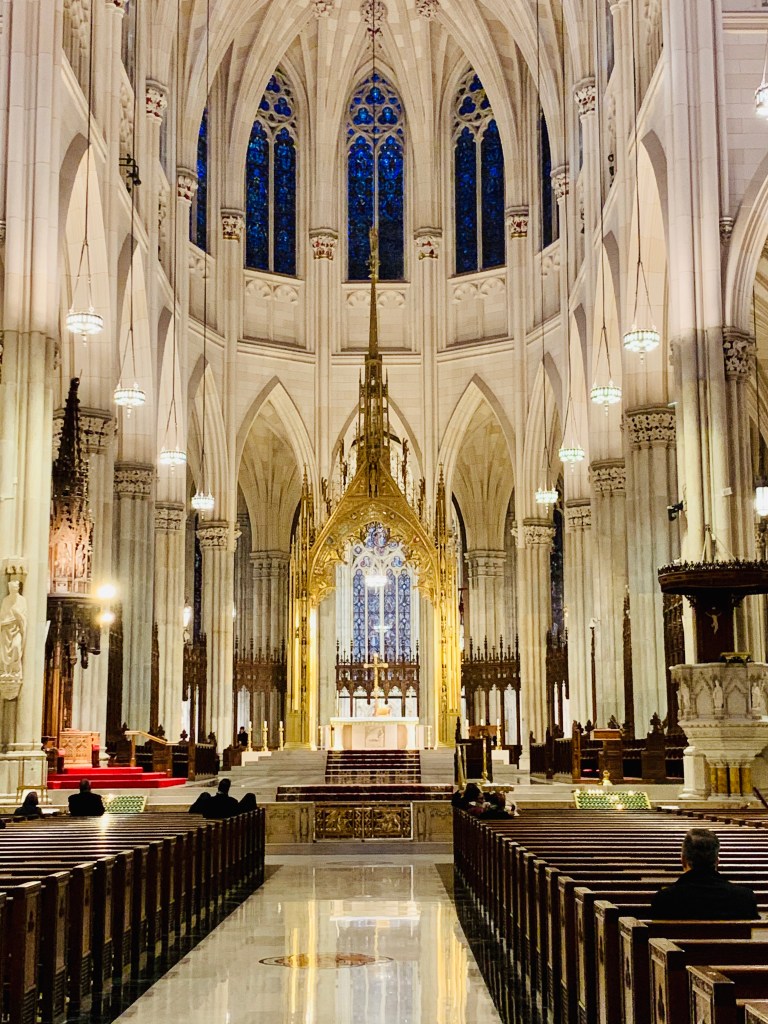
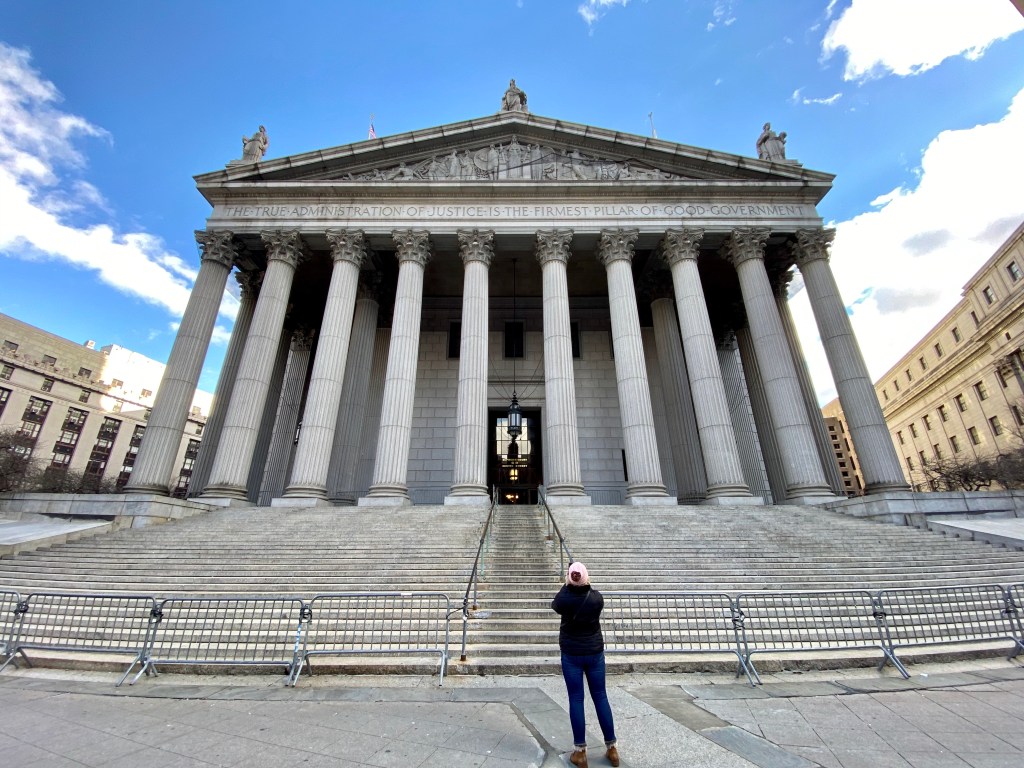
As you are on 5th Avenue anyway, explore the Gothic wonder of Saint Patrick’s Cathedral, costing you only a bit of time and a prayer if you want and maybe small change to light a candle. Travel to Union Square, take your photos of the Flatiron and then go to City Hall, before climbing the Law Court steps and re-enacting your favourite TV and film scenes, all free of charge!
Getting The Best From Your Attractions and Landmarks
There are several options for combo tickets that on the face of it will save you money, however they are often basic entry with add ons, restrict visiting times and some of the things on the list you may not want to do so you don’t really end up saving much at all and make sure you avoid the tour buses.
When you are planning your day, check the forecast and locations of where you want to visit to work around the weather, maximise your time, reduce travel and minimise your expenditure. For example, City Hall, the Law Courts, Wall Street, Brooklyn Bridge, 9/11 Museum, Freedom Tower, Battery Park and the Irish Hunger Memorial are all in that 15 minute radius I talked about.
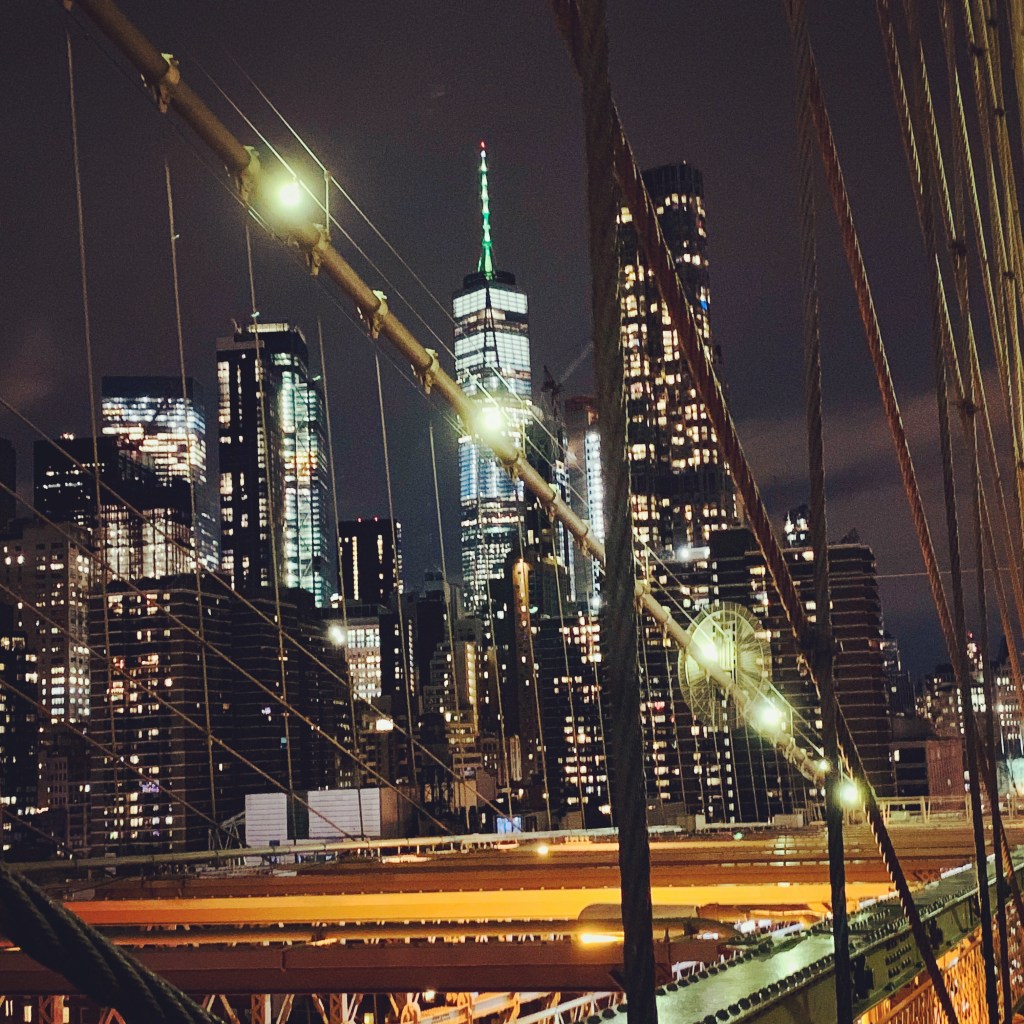
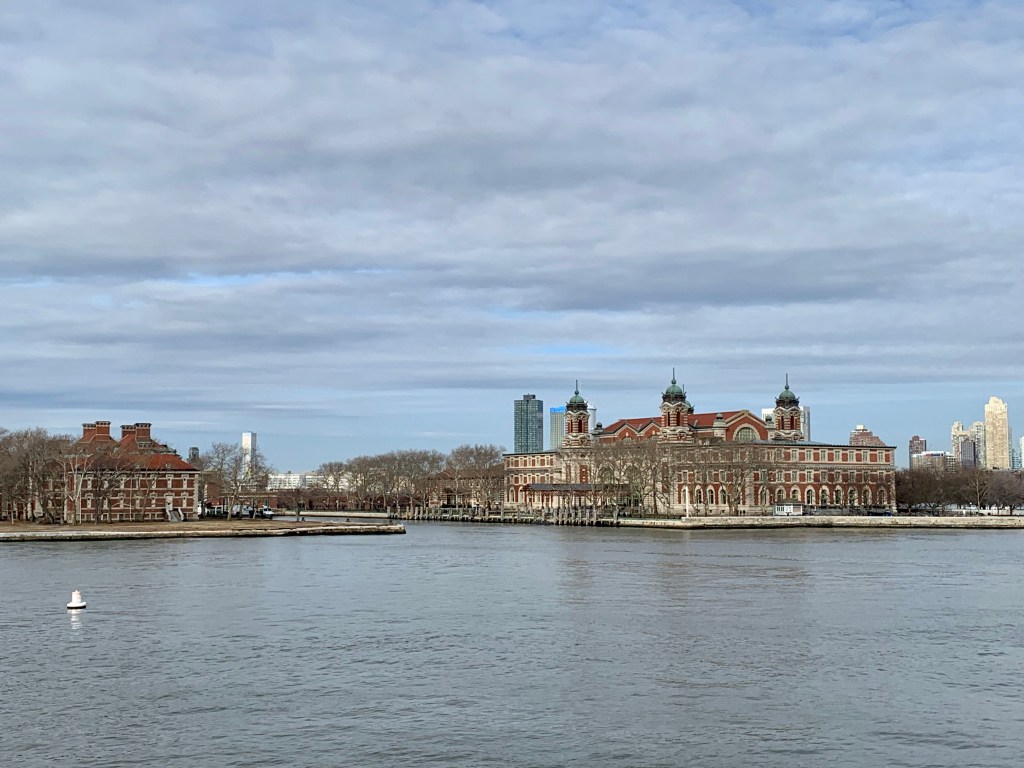
A day for us then, was to explore the Financial District and Courts, the Irish Hunger Memorial, take the Staten Island Ferry, visit the 9/11 Museum and then see Brooklyn Bridge at night. We then returned to explore Battery Park, take the ferry out to Ellis Island and visit Freedom Tower for sunset.
We saw that it was going to be torrential rain on one day, so we booked the Behind the Scenes Tour at Madison Square Garden. We had thought of going to see Billy Joel, but he was completely sold out and to be honest, concert and theatre tickets don’t come cheap and take hours out of your trip.
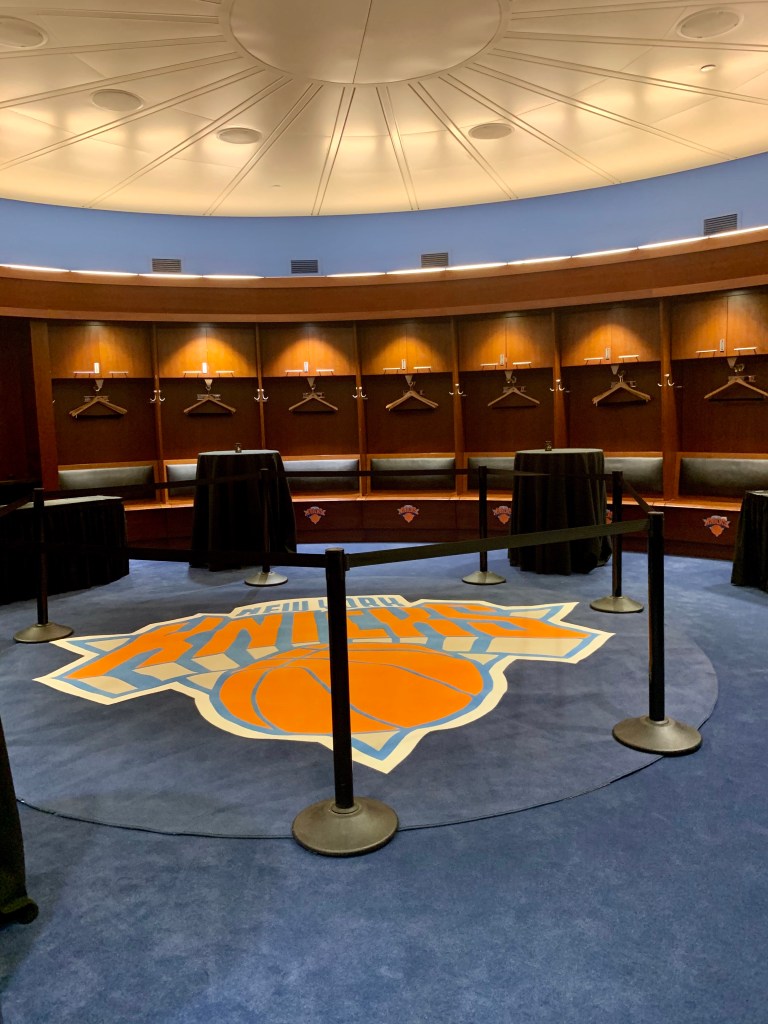
The Behind the Scenes tour is brilliant, covering history and the venue top to bottom, including VIP areas, the floor and even the Knicks and Rangers dressing rooms. It is very inexpensive for a two hour tour and you stay dry. Nearest station is Penn so you get to visit that too!
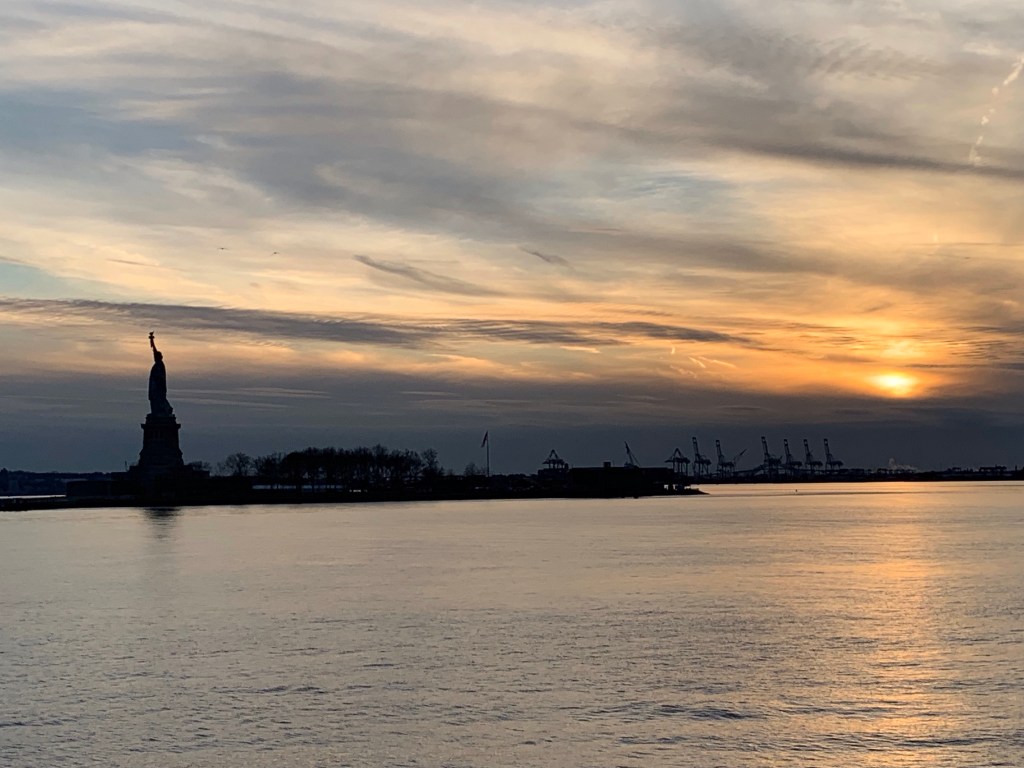
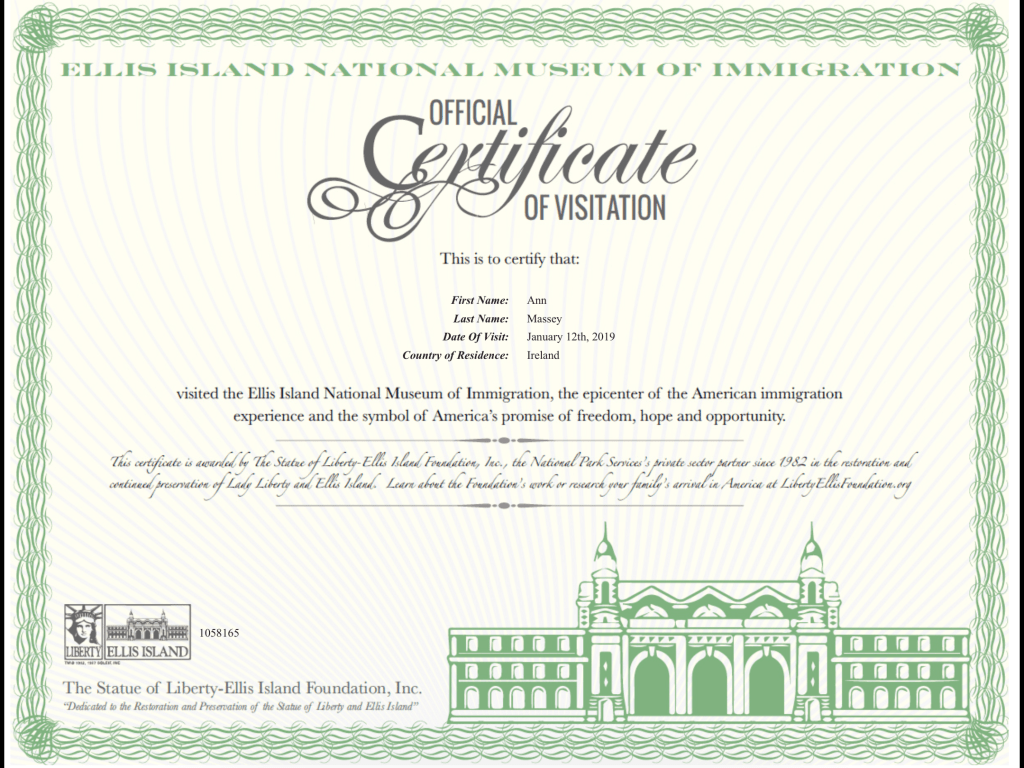
Before paying to visit the Statue of Liberty and Ellis Island, ask yourself why you are going there. If you really want to climb to the top of the Statue of Liberty then go for it! Otherwise you are stepping onto Liberty Island for the sake of it. Your photos come from the ferry, either the Staten Island Ferry or the boat to Ellis Island that stops at Liberty Island on the way.
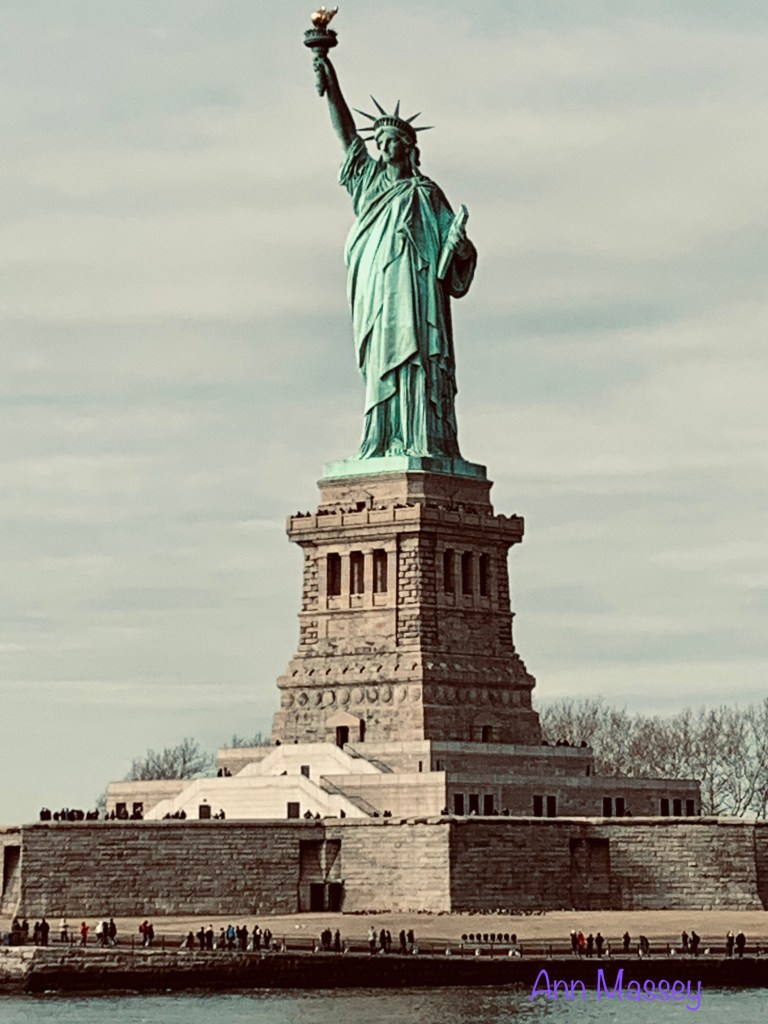
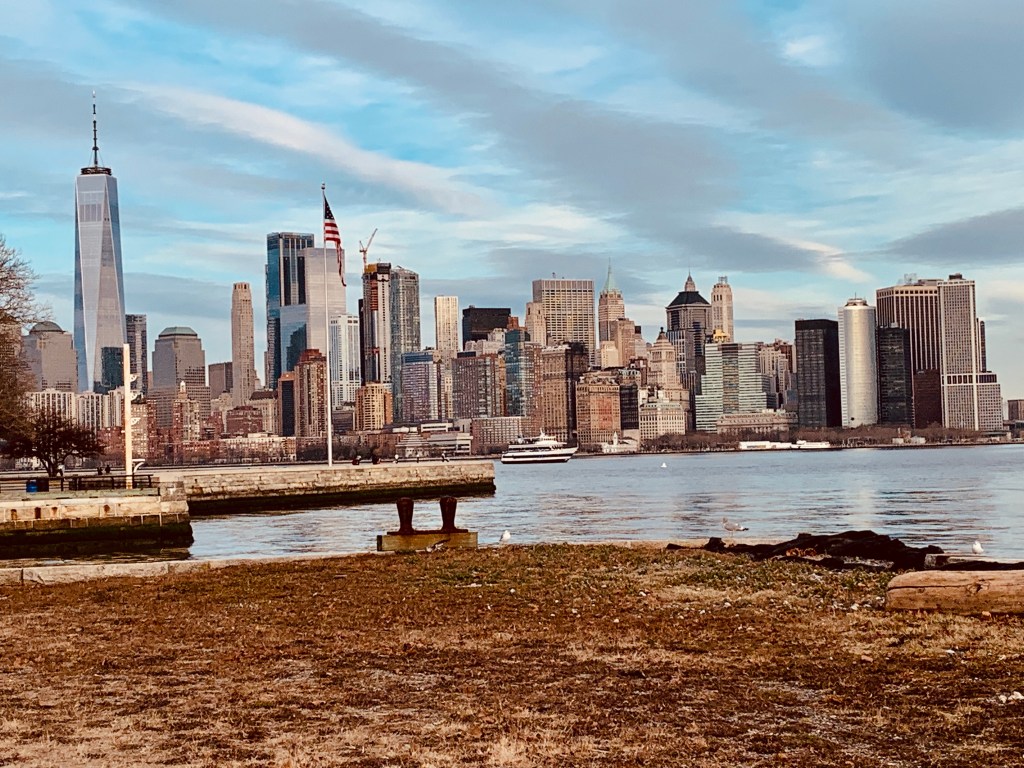
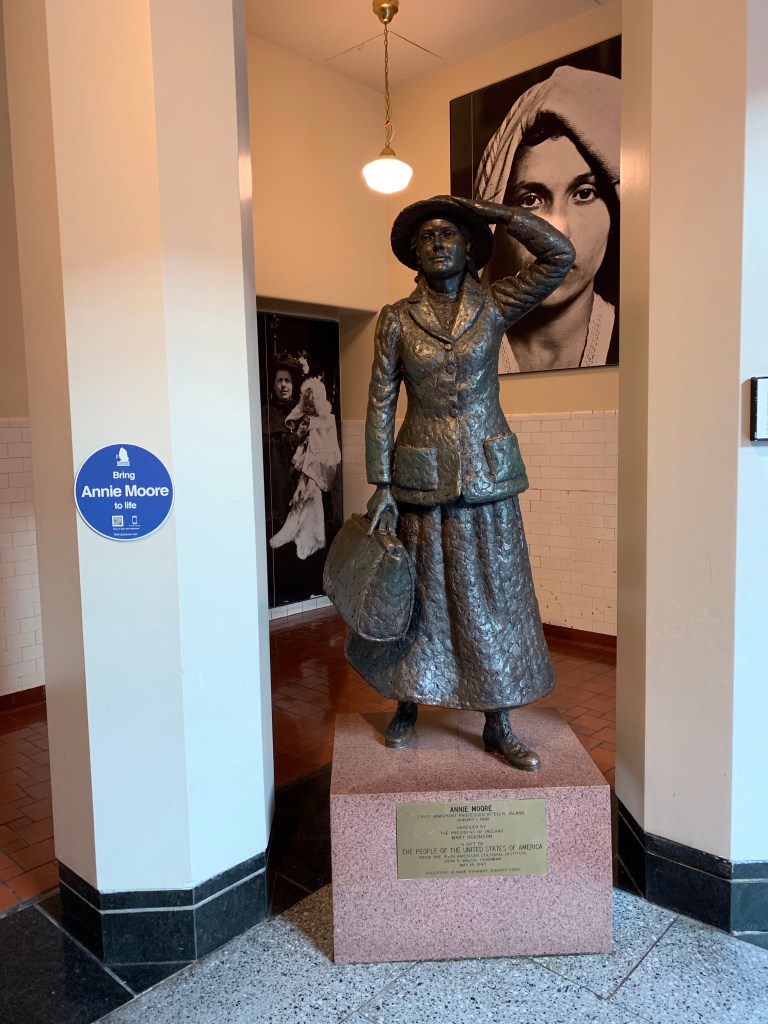
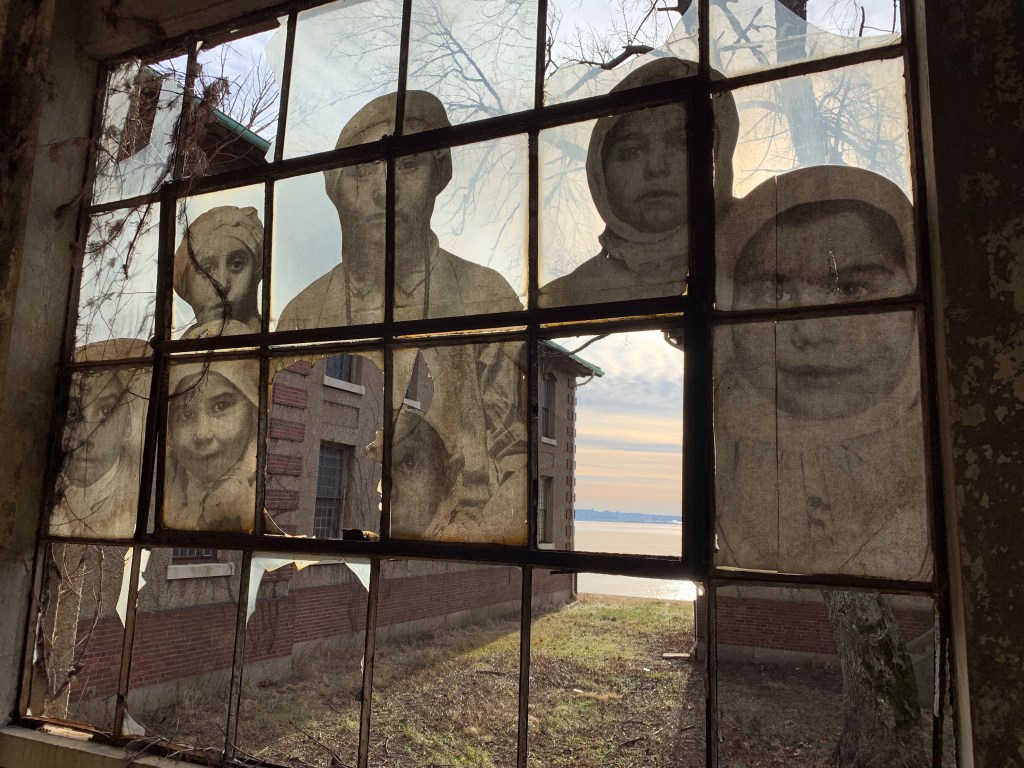
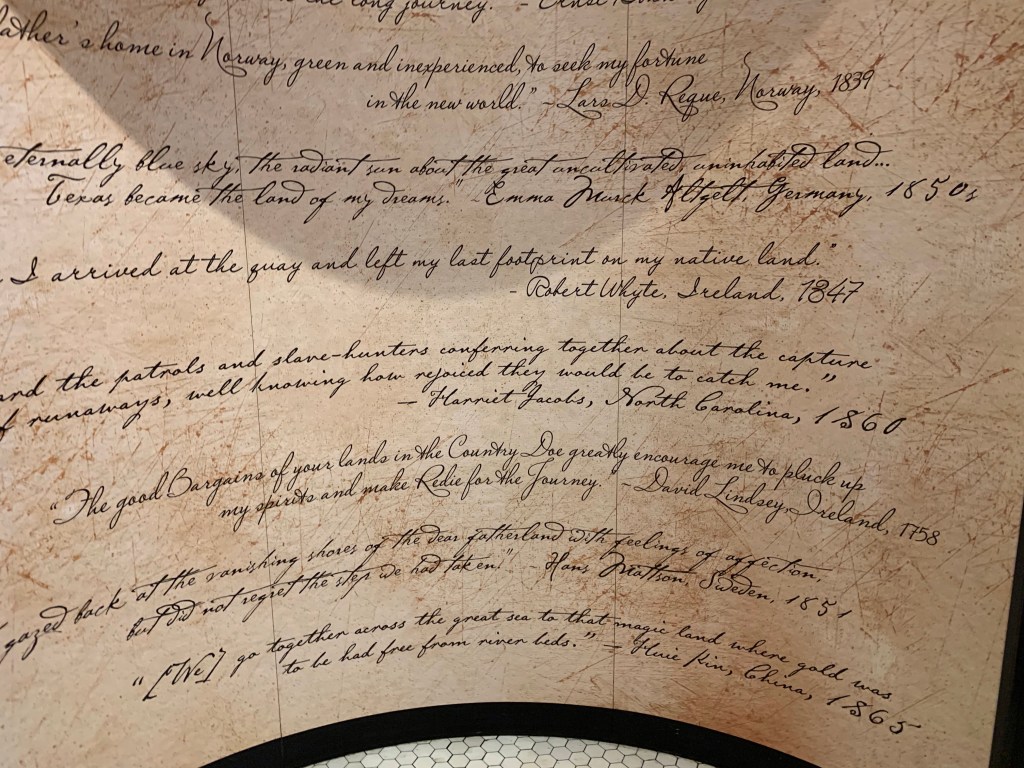
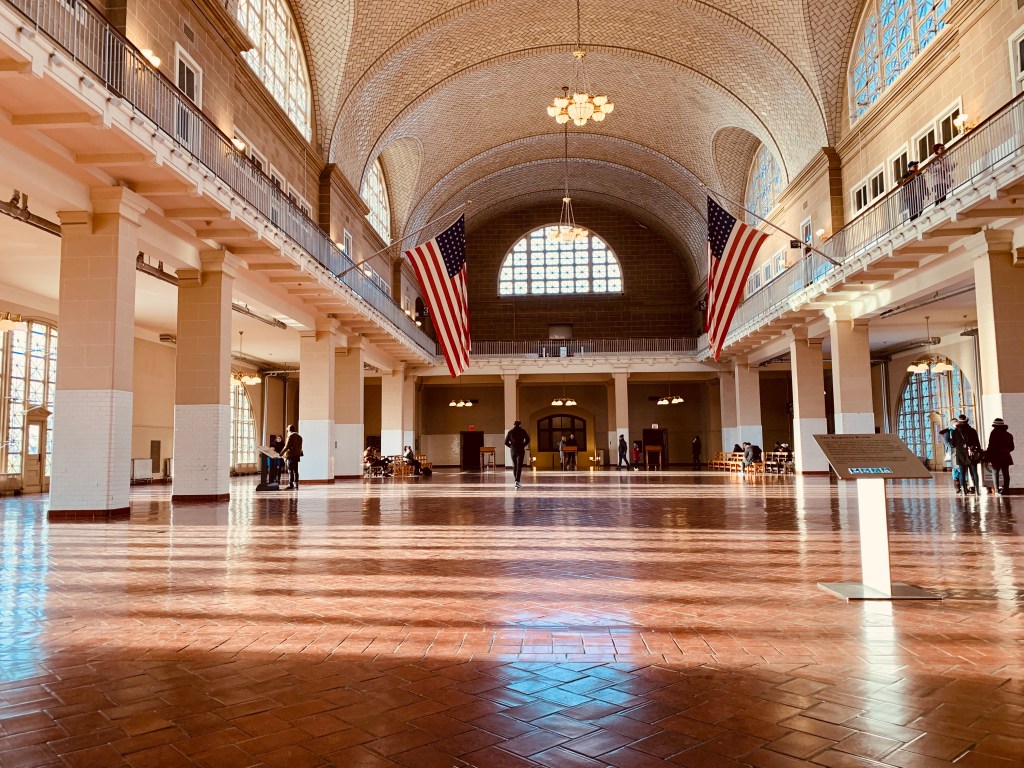
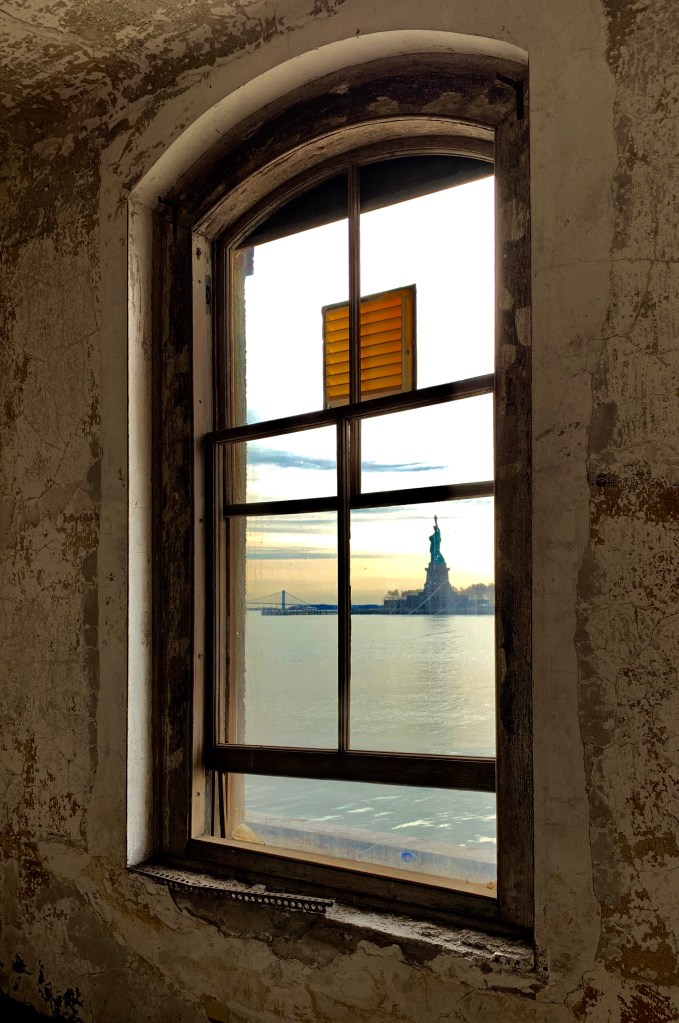
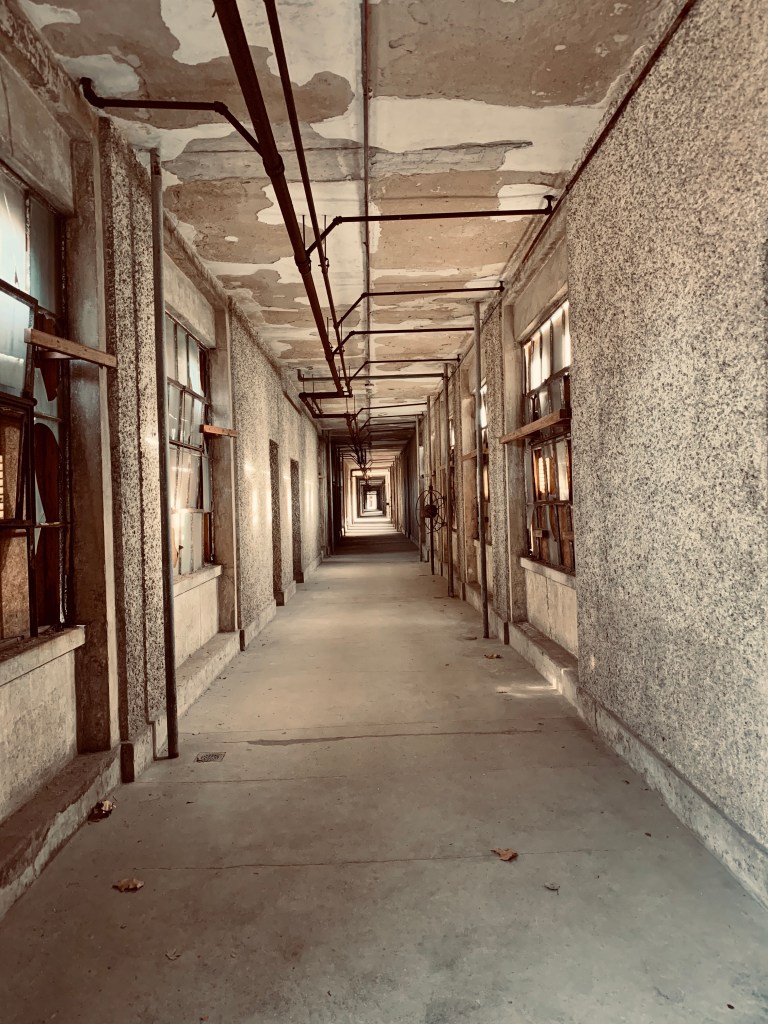
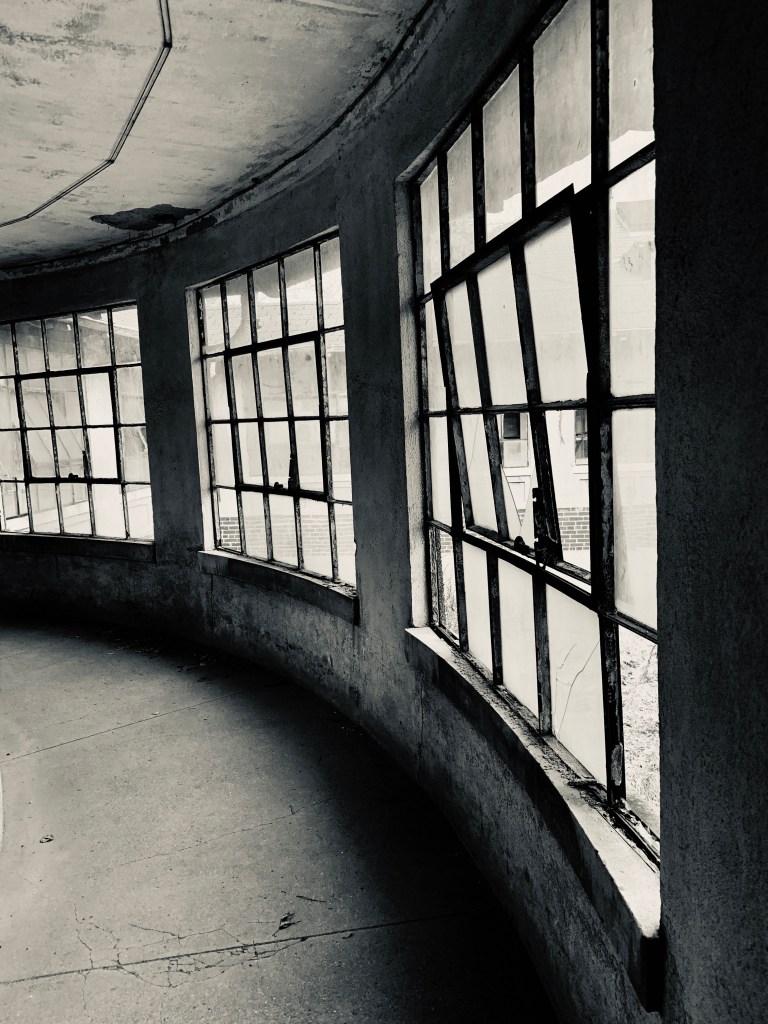
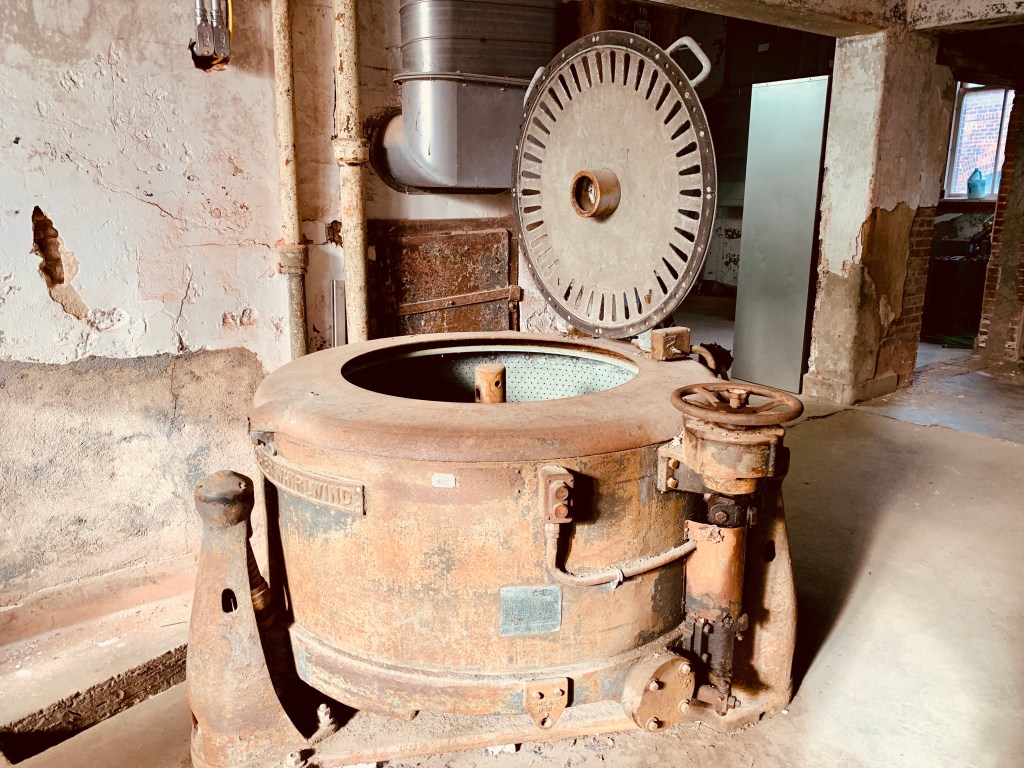
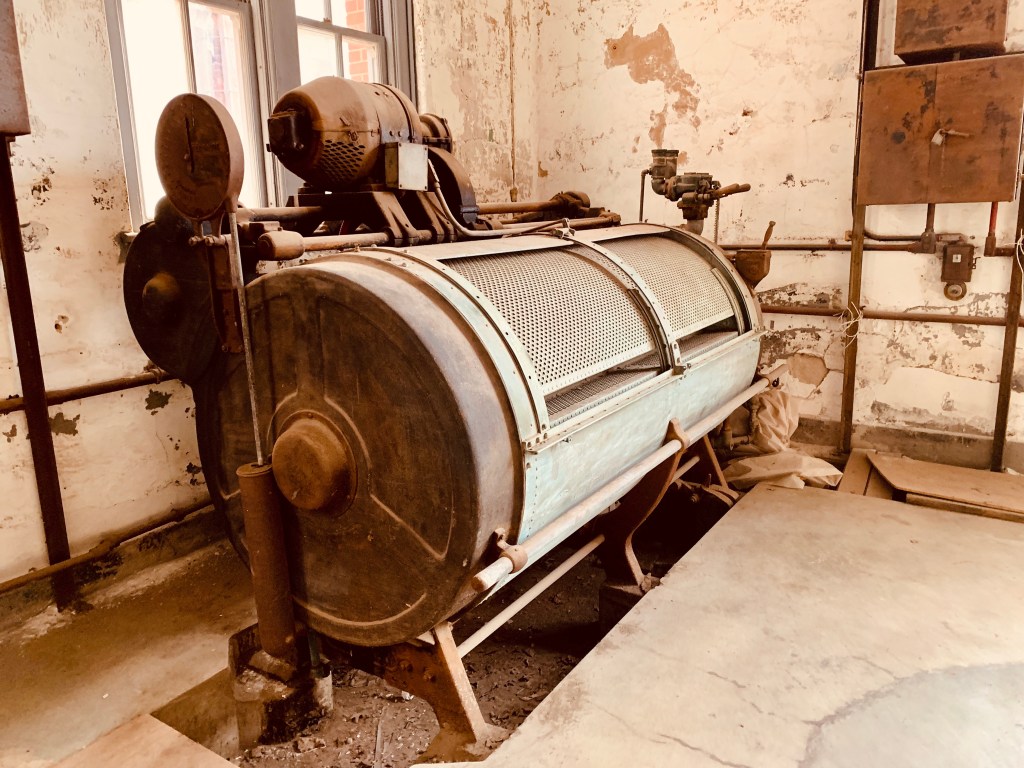
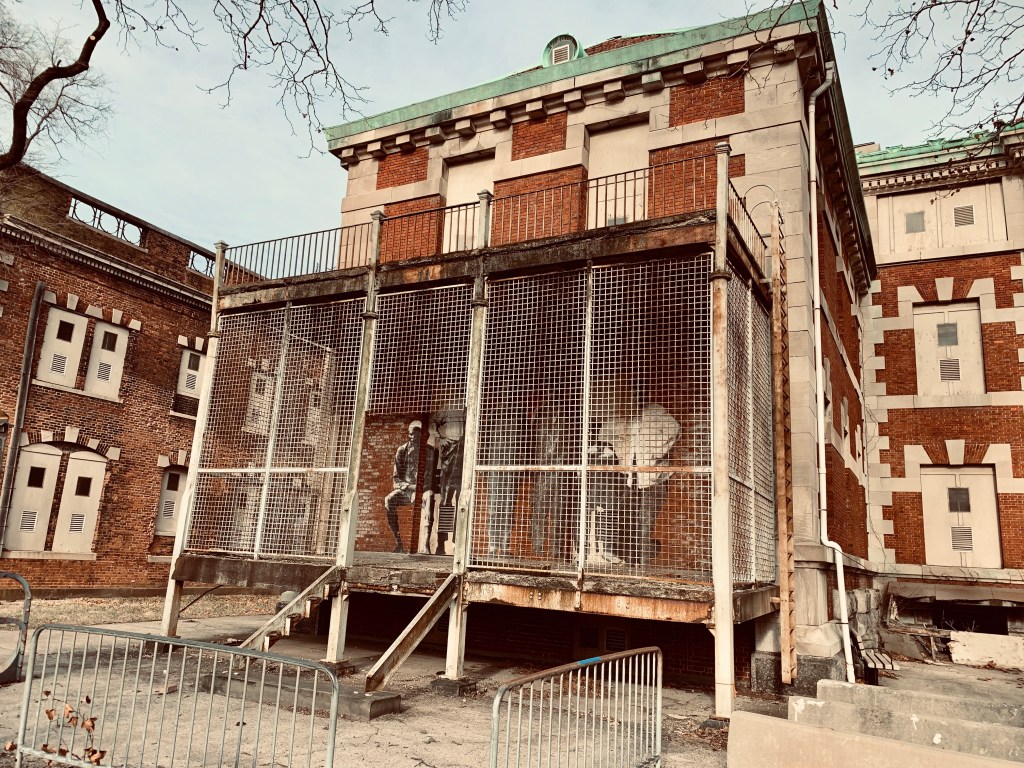
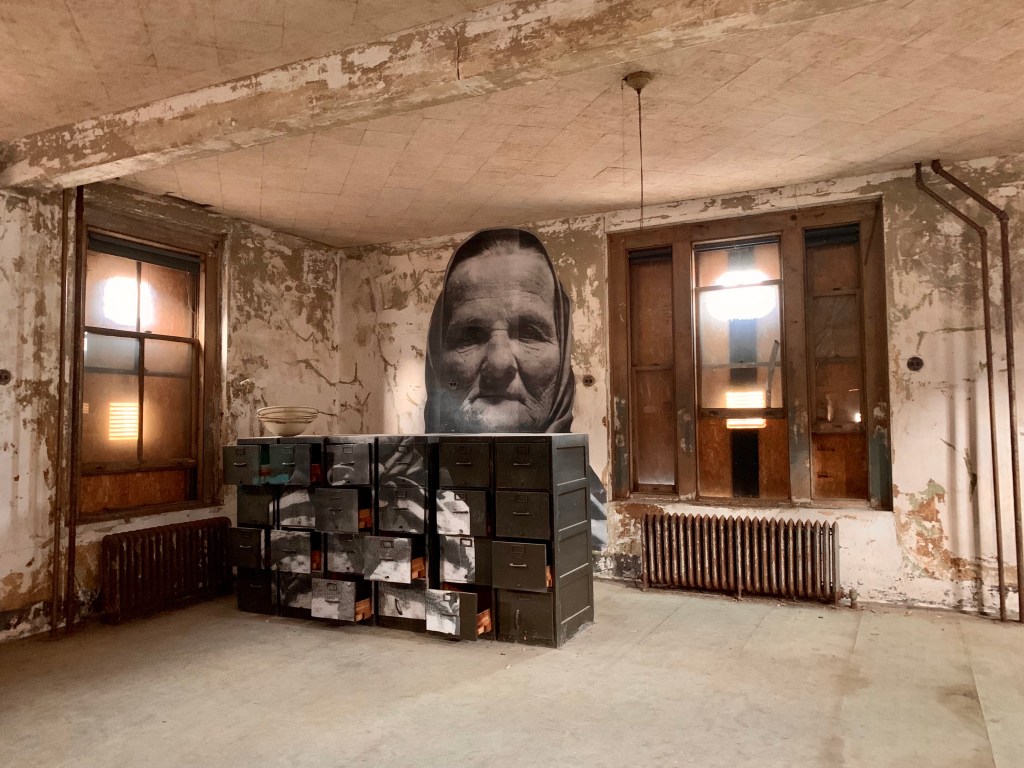
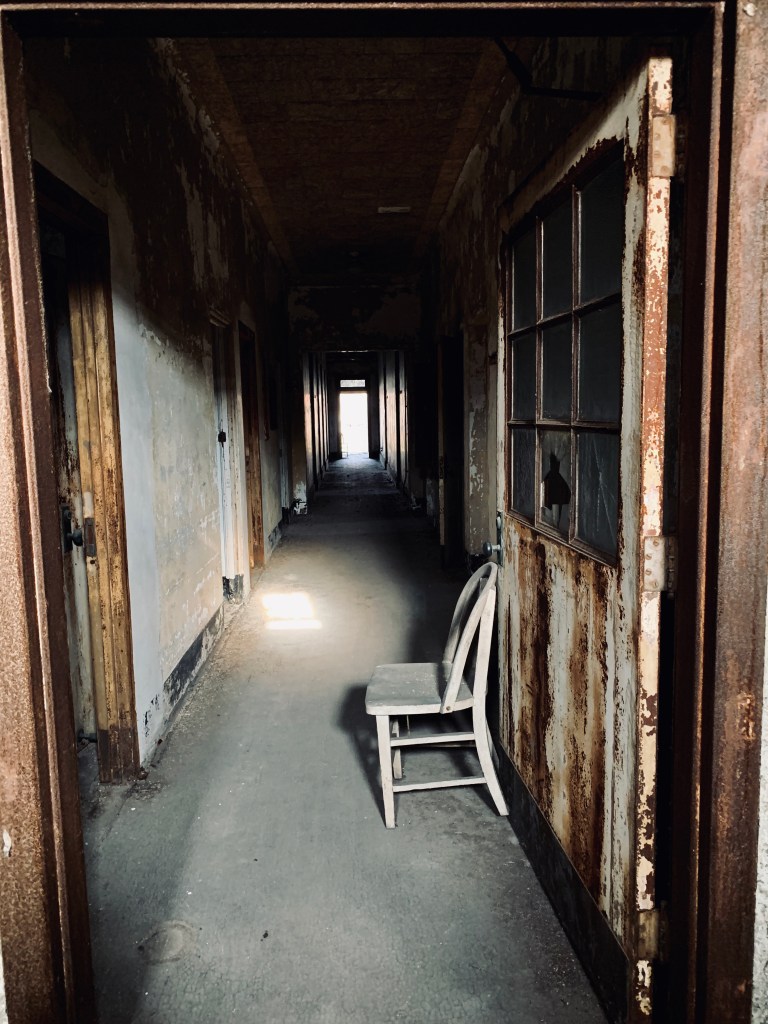
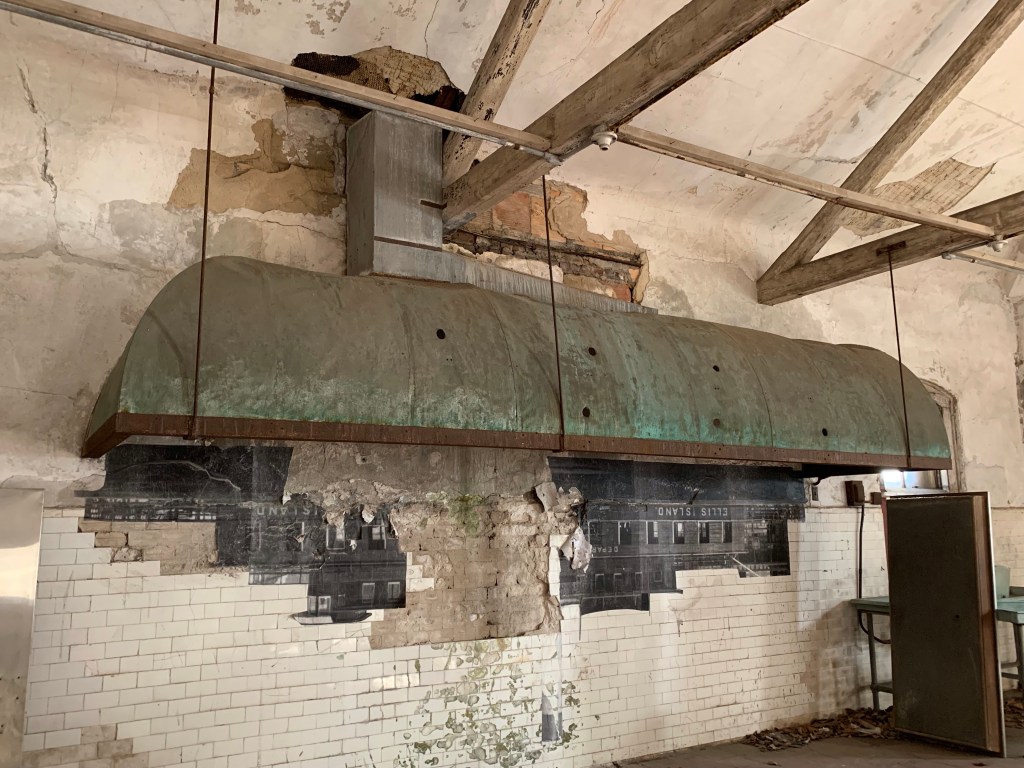
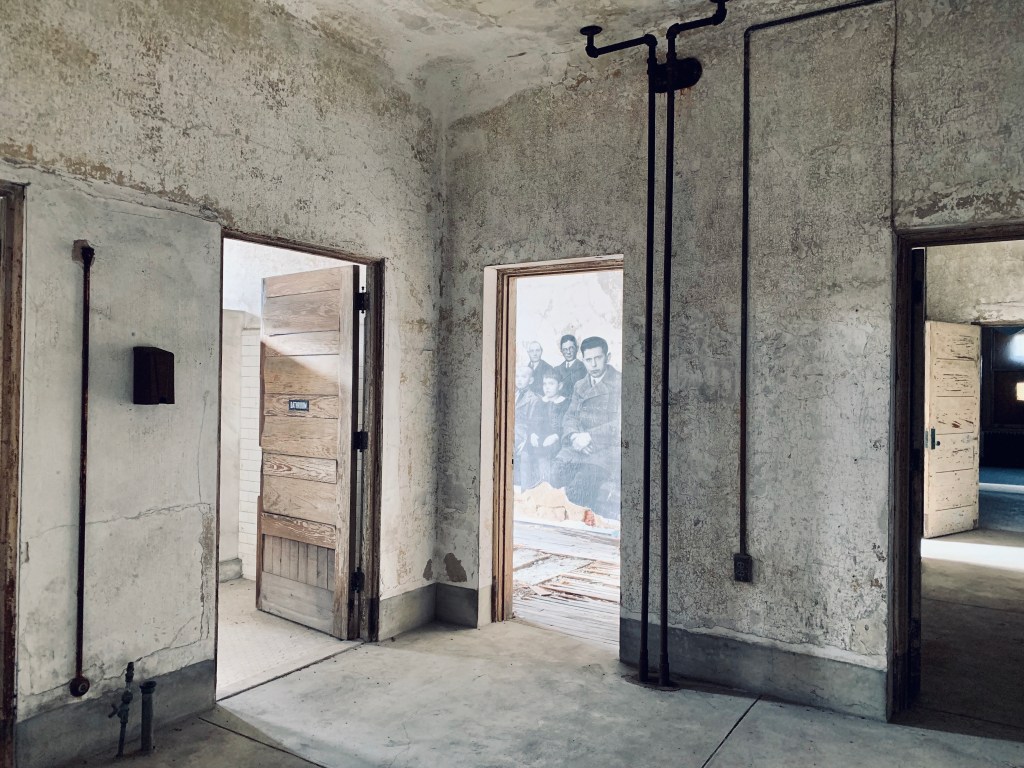
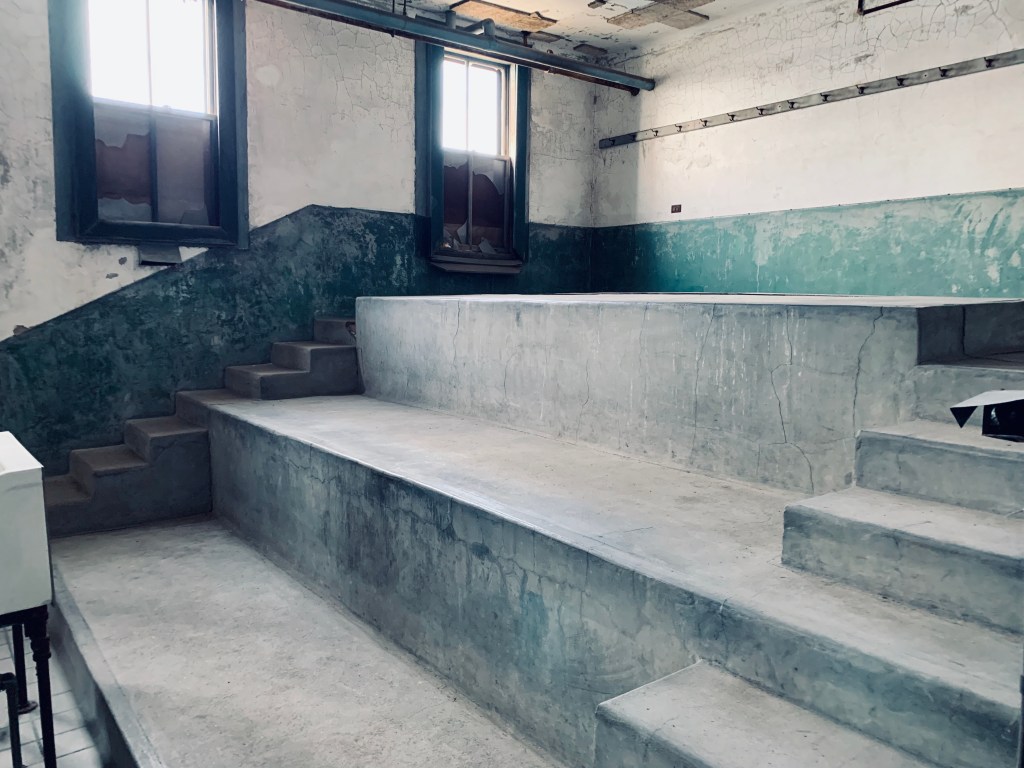
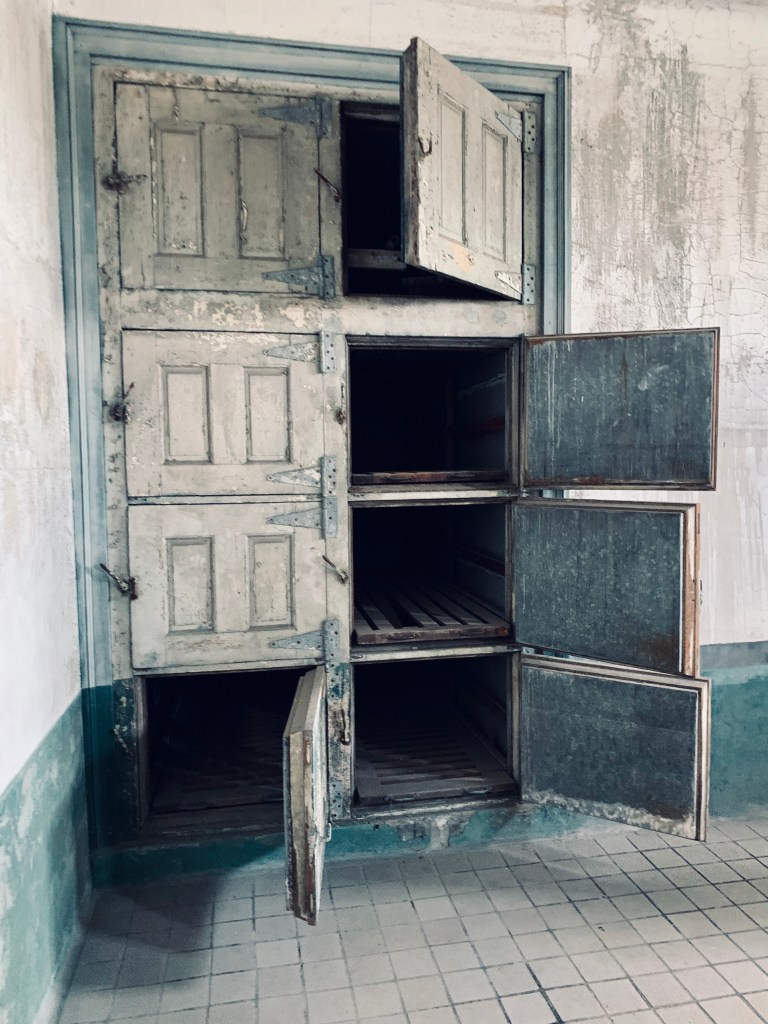
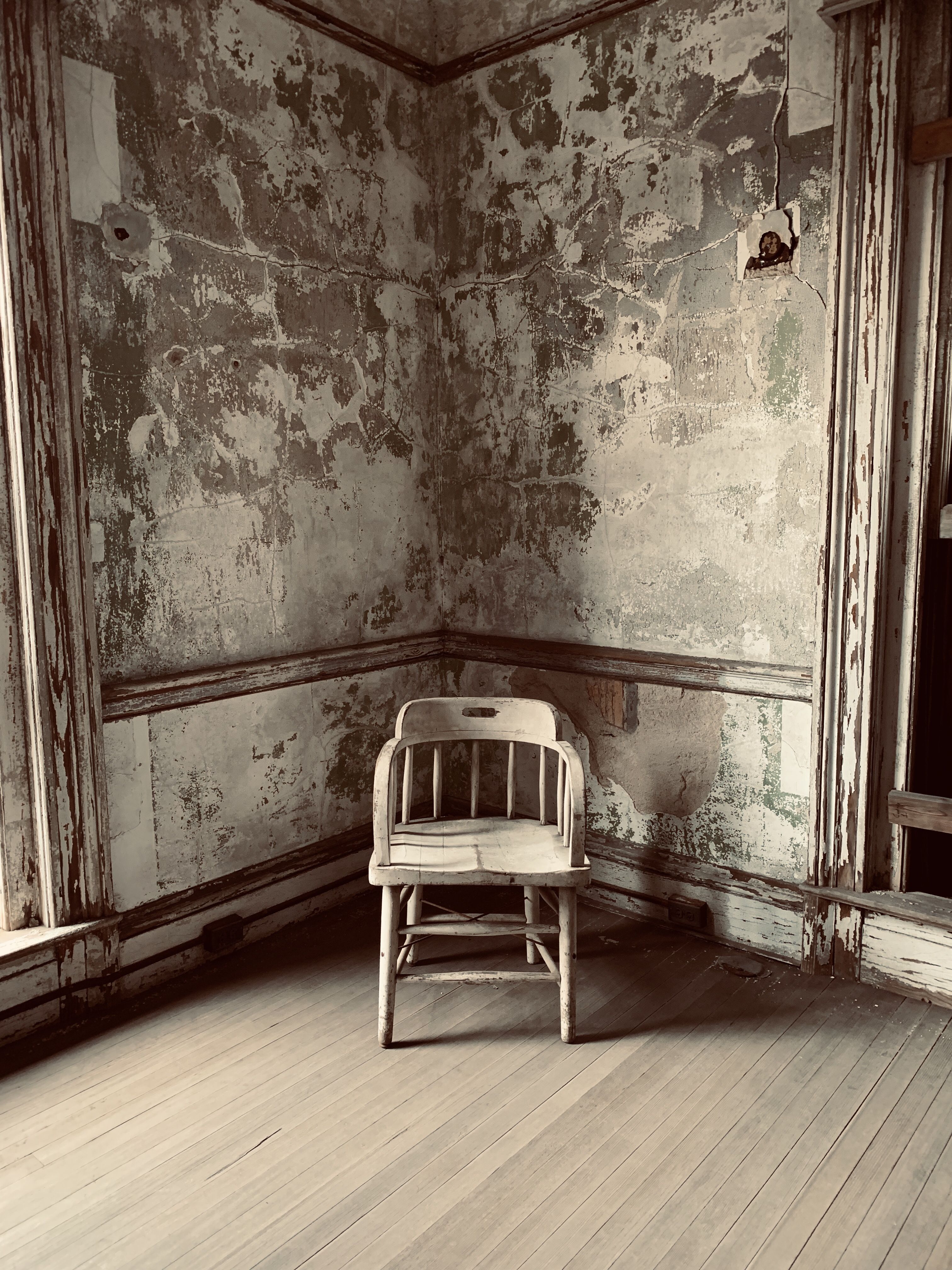
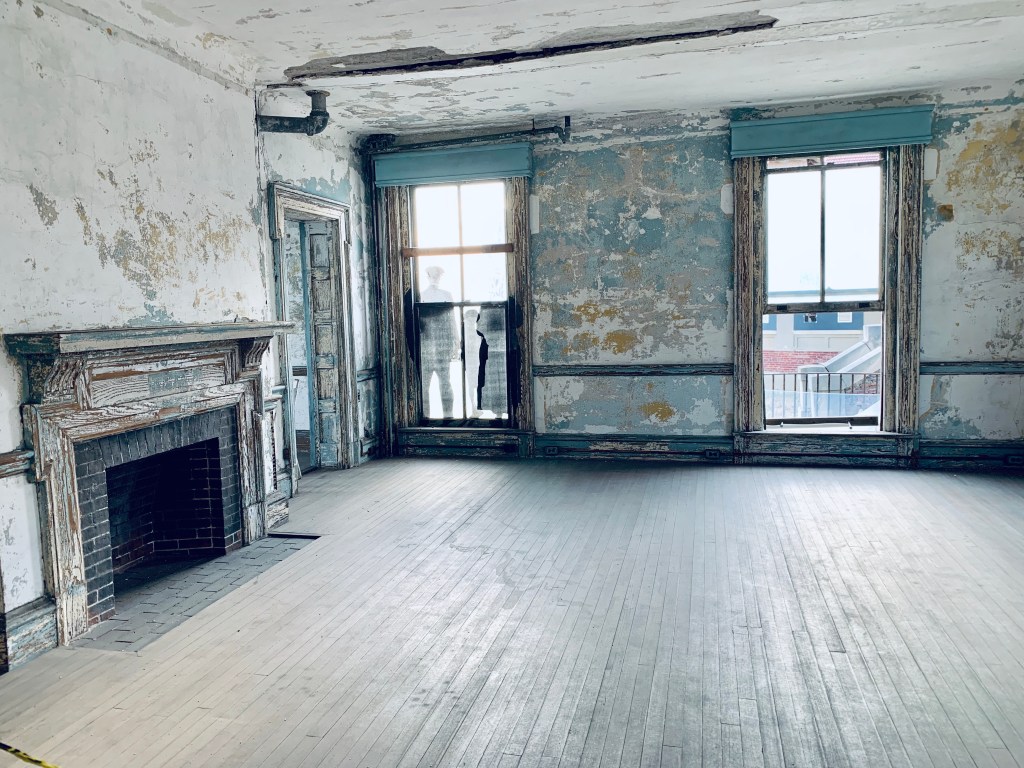
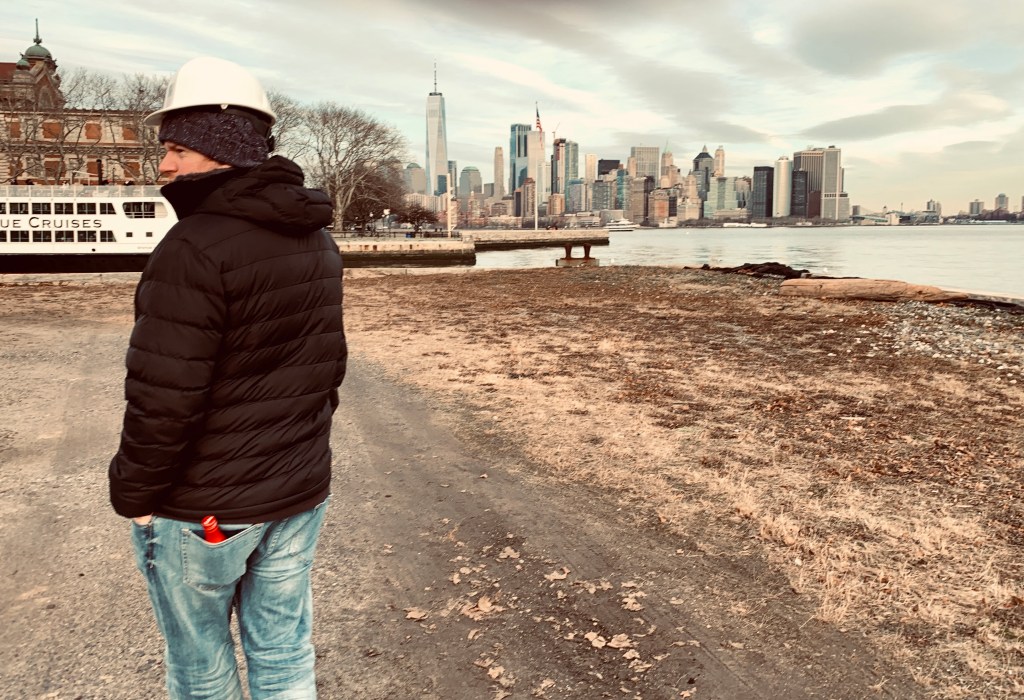
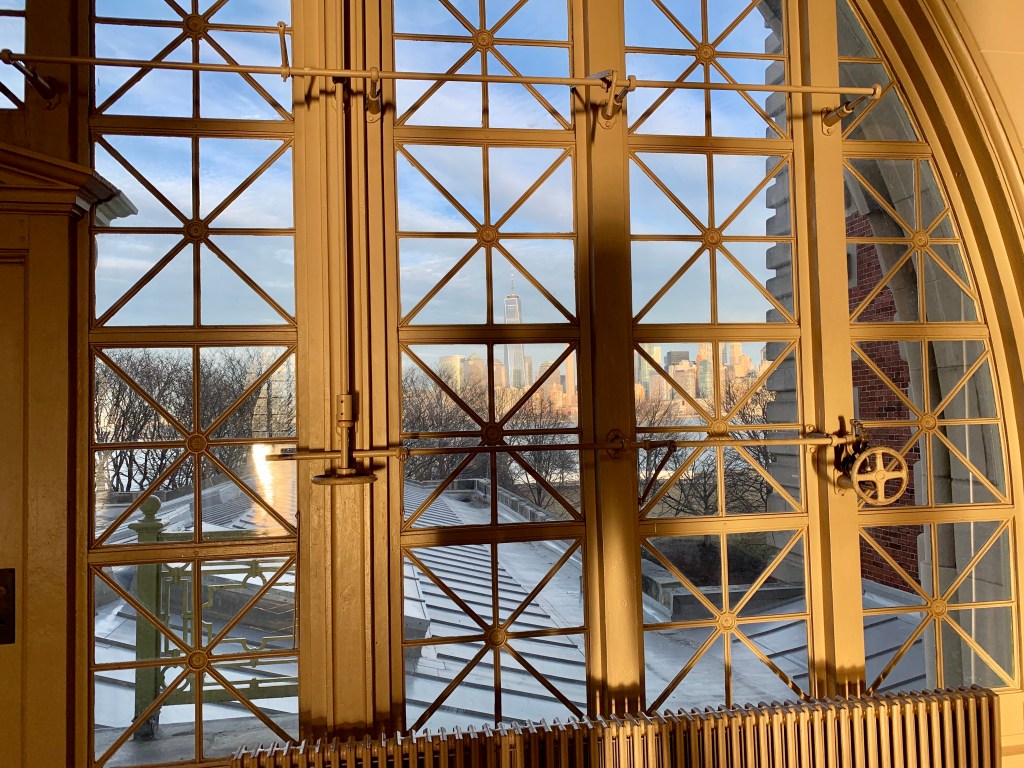
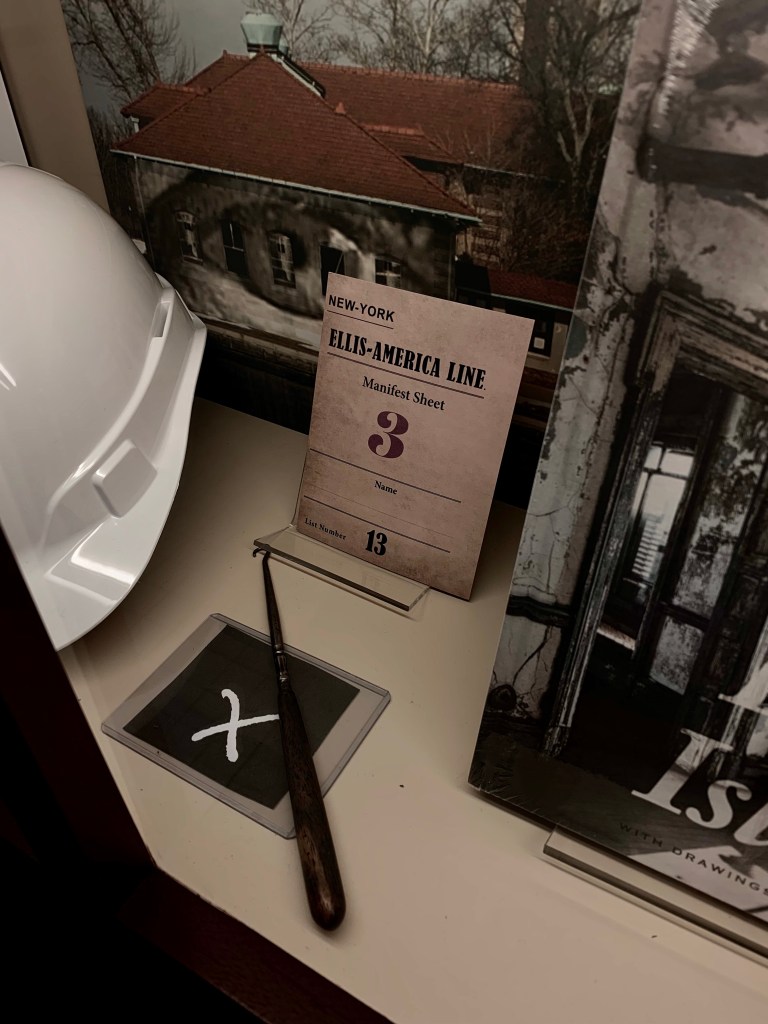
If you are going out to Ellis Island, this is one where I suggest you go the whole hog and pay for the Hardhat Tour. You do the normal things, but then get a guided tour of the entire island, the old abandoned hospital buildings and get the full story of the island. You also get to stand on the shore and look out to the most amazing views of Manhattan.
If you are looking for the best all round view of NYC from a height, you won’t get better than One World Observatory at Freedom Tower, but try and go for sunset so you get the best of everything. The gift shop here is very pricey though so think before you buy!
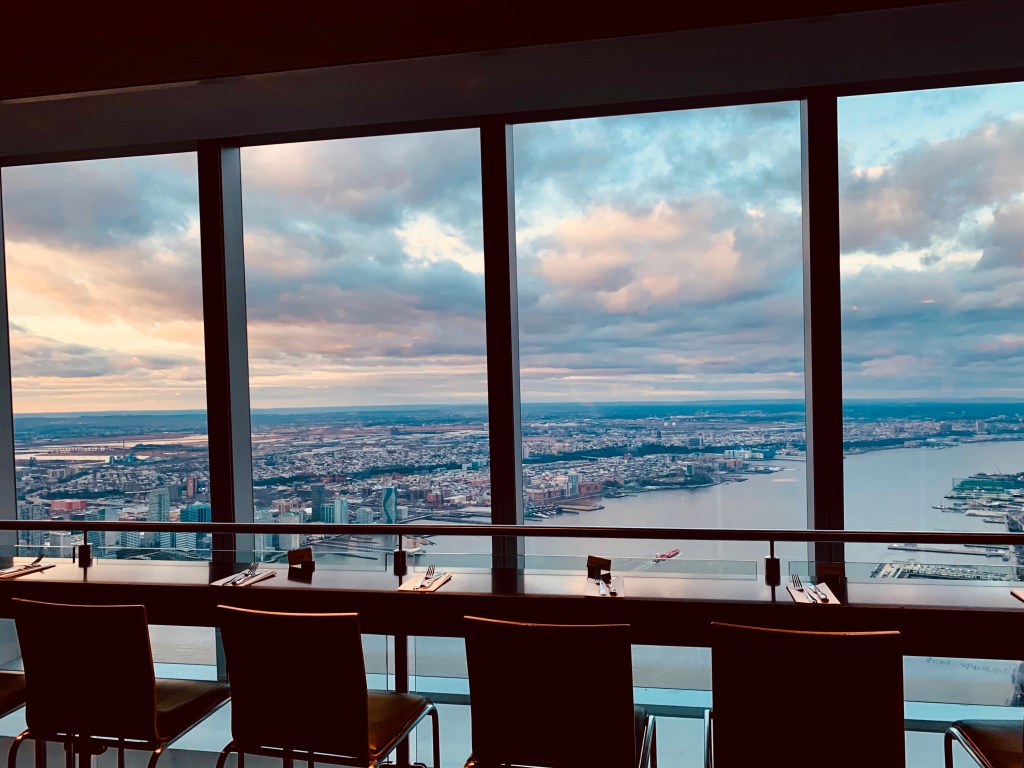
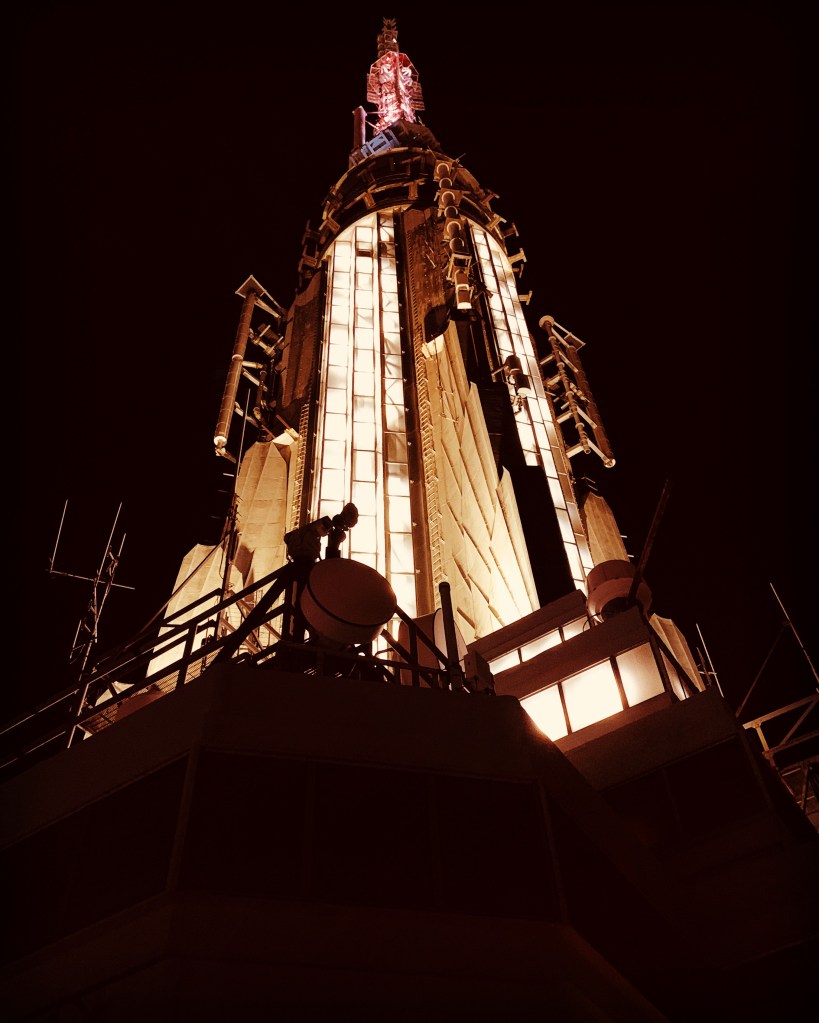
The Empire State Building is another must, but pick your time carefully. We actually visited at midnight in January – yes places stay open that late! By taking this option it was the cheapest entry, we had the elevator to ourselves, no queues and at the top there were only three others. Let’s be honest, its the city lights we love so a midnight Manhattan skyline was perfect!
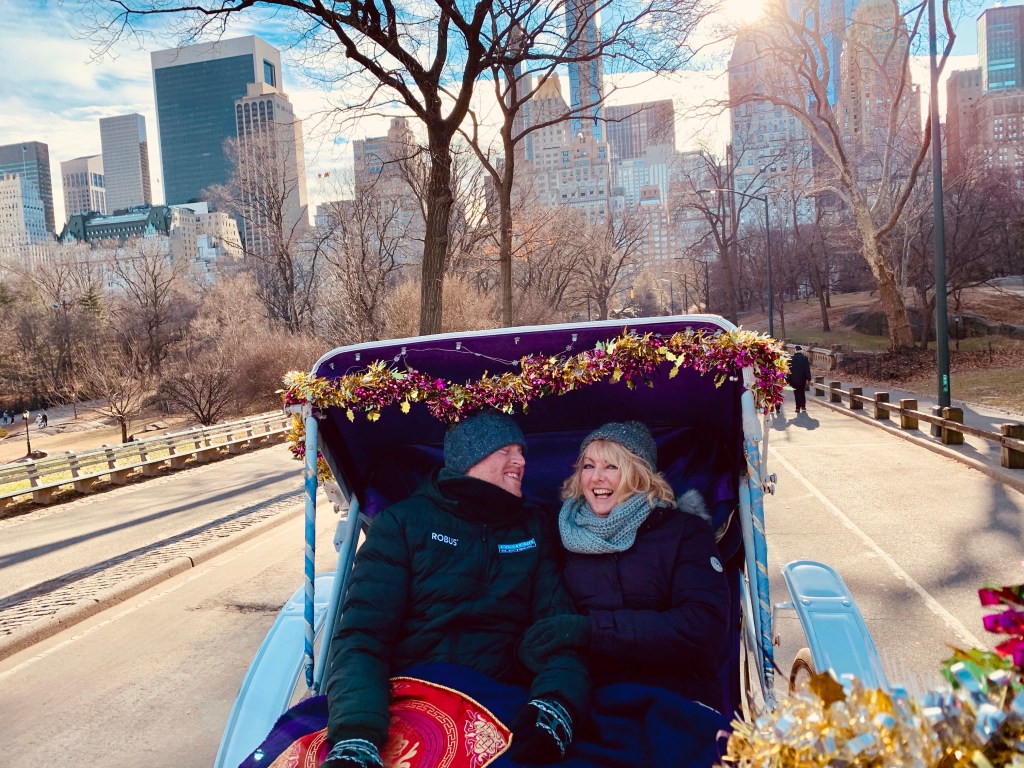
When it comes to the Central Park carriages, go for the quirkier looking drivers. Ours had an Abraham Lincoln style hat and steam punk sunglasses and was an absolute joy, knowing his history, movies and taking great photos of us. But check the price and if you’re nice you can get a bit extra with a good tip – ours actually dropped us off at The Plaza which they aren’t supposed to do!
Shopping
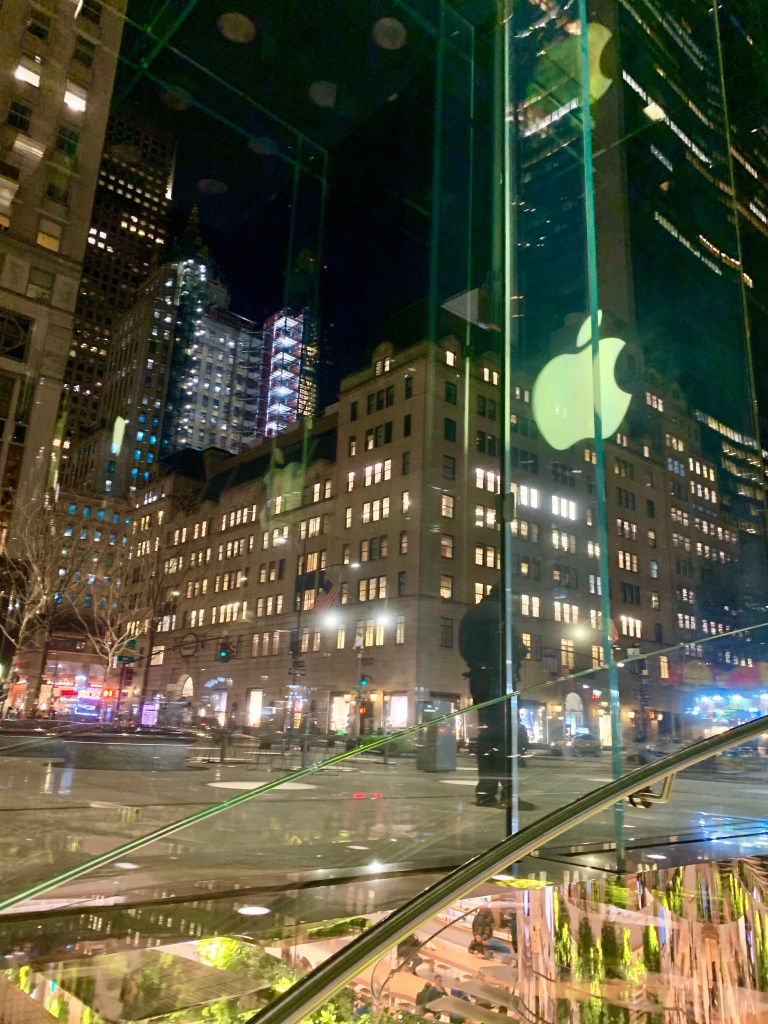
The good old days of shopping bargains in NYC aren’t what they used to be, so if you are shopping, be mindful and only buy what you can’t get at home. Also remember that purchases brought in from New York are subject to Customs and Excise and will need to be declared on arrival and duty paid. If you try and sneak through and get called for a random baggage check, the fine is seriously going to outweigh any bargain you got in Saks!
Generic keepsakes, fridge magnets, mugs, NYPD and and NYFD style mementos are better purchased in convenience stores or even at the airport. I got some lovely t shirts and sweatshirts so cheaply at JFK.
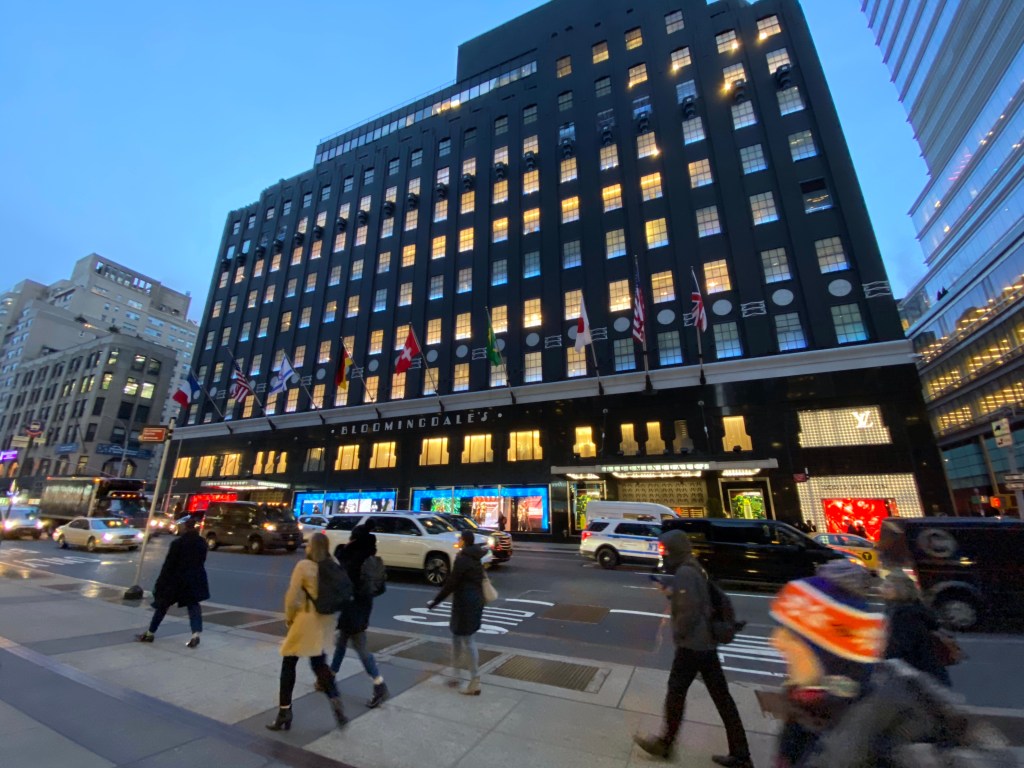
The tourist stores tend to be poor quality and the attraction gift shops are extortionate. Only buy items in themed gift shops that are unique to the location. For example I got Christmas ornaments from Ellis Island and the Empire State Building. Lightweight, easy to pack, not expensive and great mementos.
The Disney Store, Hersheys, M&Ms and these kind of stores are fun to look around and buy a couple of small items, but remember you can get all these things online much cheaper and they take up room in your case.
So there you have it, a simple guide to getting the most out of your time and money on your trip to New York City. I shall be covering so much more on the myriad of places we have visited and experienced, but for now this is your starting point. Planning is everything when it comes to a successful and enjoyable NYC experience so start yours now!

 DARK EMERALD TRAVELS